Is salt linked to memory decline?

Along with a study finding that it can affect cognitive function, a favourite condiment could also harm the heart and lower mood
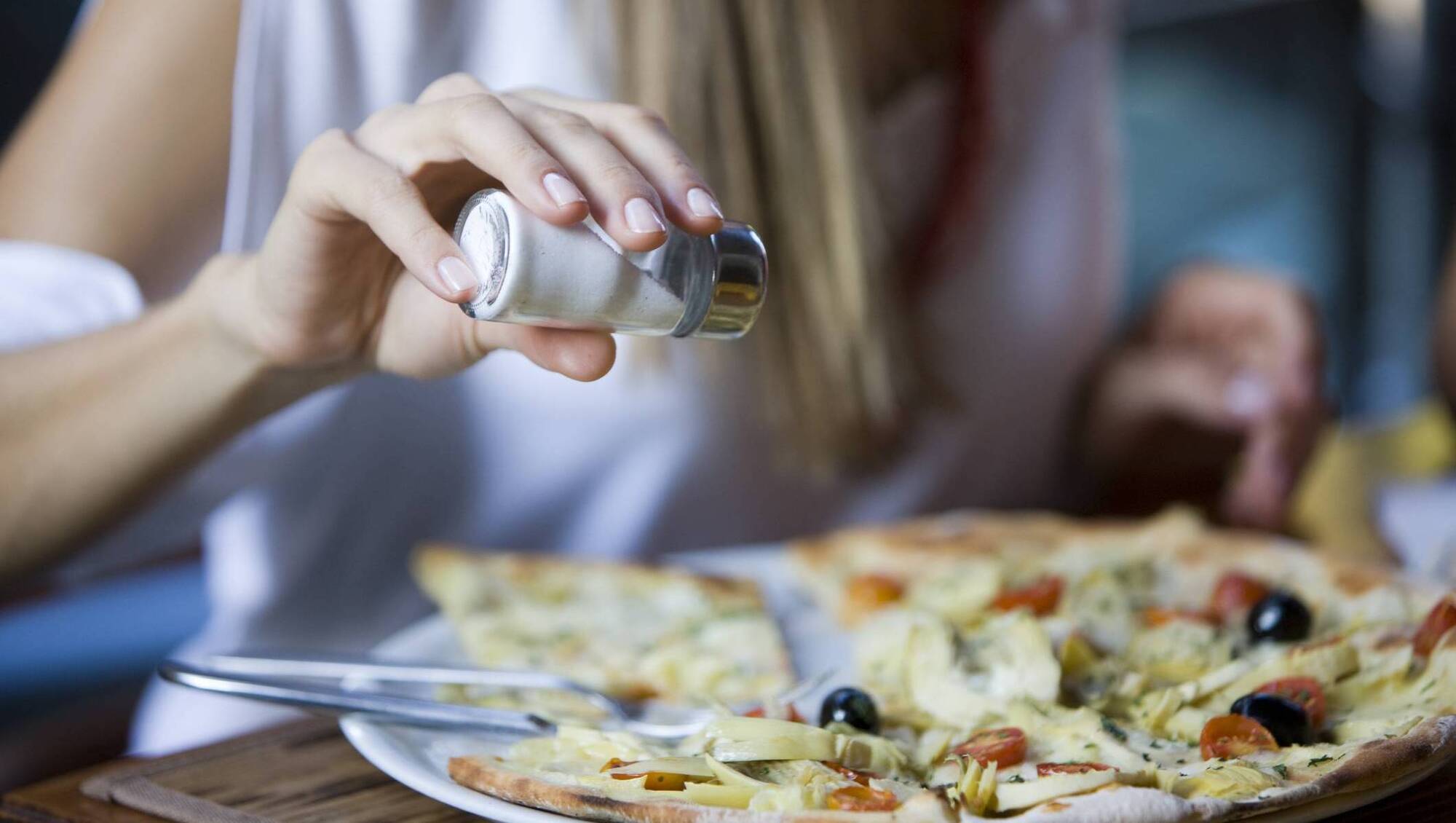
Excess salt can be worse for our health that one would think. picture: iStock

Excess salt can be worse for our health that one would think. picture: iStock

We all know by now that too much salt in our diets is bad news for our blood pressure.

But recent studies have warned that excess salt may be worse for our health than we think, including raising the risk of poor sleep and low mood. Now researchers have also found that diets high in salt can affect brain health and are linked to memory decline in older men.

In a study of men and women in their 60s and 70s at Edith Cowan University (ECU) in Australia, Dr Samantha Gardener found that higher sodium consumption may reduce episodic memory, the type used to recall personal experiences and specific events such as where you put your keys or parked your car.

Looking at the sodium intake and cognitive decline of 1,208 participants over a six-year period, Gardener and her team found that men who ate the most salt showed a faster decline in episodic recall. In this study, which was published in Neurobiology of Ageing no such associations were observed in women, although other researchers have suggested a link with salt intake and poor cognition in men and women from midlife onwards.

While scientists are so far unclear about precisely how salt affects memory, Gardener says it could be that high sodium intake causes inflammation in the brain, damage to blood vessels, and reduced blood flow to the brain.

Salt contains sodium, which helps to regulate fluid balance in the body. But when we consume too much of it, extra water is drawn into our bloodstream, putting immense strain on the heart and blood vessels. In Ireland, the HSE recommendations are to consume a maximum of 6g salt a day to stay healthy. Targets set by the World Health Organization (WHO) are even lower at less than 5g, or just under a teaspoon, daily. According to the Irish Heart Foundation, most adults consume more than double the recommended upper levels, with average intake for men at around 10-11g and for women around 7-8g of salt per day.

It’s not just memory and blood pressure that are at risk. Aylsha Thompson, a researcher in the School of Biological Sciences at Queen’s University Belfast (QUB), says that “the simple act of adding salt to food is a significant and easily measurable behaviour linked to increased gastric cancer risk” and to a long list of other health issues.
Salt could be to blame for a low mood, high blood pressure, and a variety of skin conditions

Why should you cut down on salt?

Blood pressure and heart disease

Figures from the Irish Longitudinal Study on Ageing (Tilda) show that high blood pressure, or hypertension, affects up to half of all adults over 50 although many more may be unaware they have it. Hypertension is linked to around half of all heart attacks and strokes. A high salt intake makes it harder for your kidneys to remove fluid, causing a buildup of fluid in your system that increases blood pressure. Eating less salt is one of the simplest and most effective ways to reduce the risk and the Irish Heart Foundation says that cutting salt in line with the WHO recommendations could prevent up to 135,000 new cases of coronary heart disease by 2030.

No variety of salt — from Celtic and Himalayan to plain table salt — is better or worse for your blood pressure. You either need to cut down and use a lower-salt alternative.

It lowers your mood

Feeling blue? A high-salt diet could be to blame. Last year a study of 276,138 mid-lifers published in the Journal of Affective Disorders found the more salt people added to food, the greater their risk of anxiety and depression. One reason could be that salt seems to drive the production of a protein called IL-17A, which has been identified as a contributor to low mood.

Too much might weaken your bones

Calcium is critical for strong bones and not getting enough of the mineral in your diet increases the risk of osteoporosis. But sodium also plays a role in keeping bones strong as it controls the amount of calcium excreted in urine and lost from the bones, so a high intake can possibly lead to bone weakening. A study of post-menopausal women in Aging Medicine journal confirmed that those with high intakes of salt had compromised bone health that could put them at risk of osteoporosis.

Increased risk of stomach cancer

Adding salt to your food at the table is a habit that needs curbing, not least because a shake of the salt cellar could raise your risk of stomach cancer. “Salt provides the perfect environment for stomach cancer,” says registered nutritionist Sonia Pombo. “It is known to damage the stomach lining, enhancing the growth of Helicobacter pylori bacteria associated with the disease.”

In a study of 470,00 people, a team from QUB found that those who reported always adding salt to their food had a 39% higher risk of developing gastric cancer over 11 years than those who rarely or never added salt.

Skin conditions might get worse

Too much salt can cause inflammation and dehydration, both of which affect the appearance of skin. But a high-salt diet may also impact the risk and severity of eczema. A Jama study found salt aggravates the immune system’s T-helper cells, triggering an inflammatory response associated with chronic allergies such as eczema. It showed for every extra gramme of sodium consumed daily —roughly half a teaspoon of salt — the risk of eczema increased by 22%.

Is salt making you more stressed?

A high-salt diet could lead to rising stress levels, according to academics at the University of Edinburgh. When they fed mice salt at levels comparable to high intakes in a human diet, they found it led to higher levels of stress hormones and a heightened response to stressors compared with animals given a low-salt diet. “This study now tells us that high salt in our food also changes the way our brain handles stress,” said Matthew Bailey, professor of renal physiology and one of the authors of the paper in Cardiovascular Research.

Trouble sleeping? Check your salt intake

If you struggle to nod off or stay asleep, it could be your salt intake that is to blame. Too much sodium has been linked to poor sleep quality and short sleep duration in men and women, with researchers in Korea showing it also increased the urge to go to the loo during the night. And a study of almost 500,000 people in Respiratory journal found the “habit of adding salt to foods was associated with a higher risk of incident sleep apnoea” — which causes difficulty breathing and interrupted sleep — and that cutting down helped to prevent it.

Should you choose a low salt alternative?

Last year, the WHO issued new guidelines recommending that consumers switch to potassium-enriched salt products. Potassium in the diet helps to remove salt from the bloodstream. In the Lancet journal, Imperial College London said “large-scale studies, including randomised controlled trials, have shown that potassium-enriched salt substitutes can reduce systolic blood pressure by an average of 3·3 mm Hg, and among those with a previous stroke, can reduce the rate of recurrent stroke by 14% and early death by 12%”. For home cooking, you could try products such as LoSalt, which has 66% less sodium than regular salt, or add low-salt stock cubes, herbs and spices when cooking from scratch.

x

More in this section

Lifestyle

Newsletter

Eat better, live well and stay inspired with the Irish Examiner’s food, health, entertainment, travel and lifestyle coverage. Delivered to your inbox every Friday morning.

Cookie Policy Privacy Policy Brand Safety FAQ Help Contact Us Terms and Conditions

© Examiner Echo Group Limited