I used a fitness tracker to make myself ‘younger’ — here are the small habit changes that worked
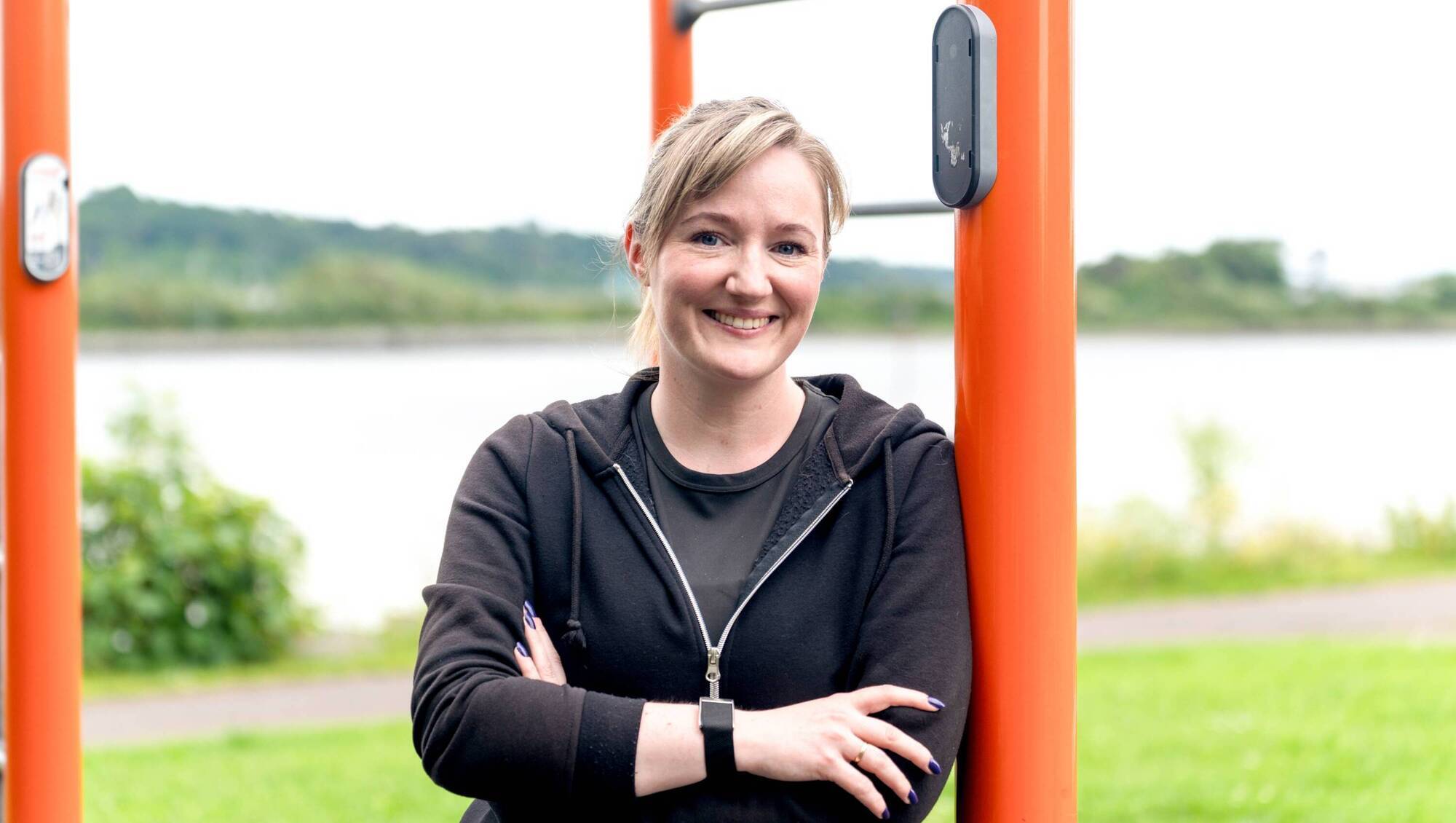
Irish Examiner journalist Denise O’Donoghue has been using the Fitness Tracker while on her outdoor pursuits. Picture: Noel Sweeney
Last year, I started wearing a Whoop fitness tracker on my right wrist at the start of last November, and I was shocked to see how it improved my health and fitness.
My expectations were moderate; I already wear an Apple Watch, so when I was offered the Whoop to trial, I thought it would be somewhat similar, albeit without a light-up screen and the notification buzz.
On a Whoop, there is no watch screen, no alerts for calls and texts — not even a way to tell the time. Instead, the plain-black band on my wrist focuses solely on tracking my movements, my body’s reactions, and reporting it all through a dedicated app on my phone.
I popped it on my wrist one weekend, striking off from rock bottom: I was ill with a nasty winter cold that had also struck down several of my co-workers. I distracted myself from my self-pity by playing around with the features it boasts, including an ECG function to monitor heart health. My Whoop monitored and tracked me through that illness and into the busiest period of the working year: The pre-Christmas crunch.
After a few days of watching how my body works, noting my stress levels and more, Whoop had an update ready in my app: My Whoop age was available. I opened it naively, expecting to be listed as younger than my real age, 35. After all, sometimes (rarely, but still…) I’m asked for ID in a supermarket. I was in for a rude awakening: I was 2.4 years older than my chronological age. I scoffed and brushed it off as an error. The app noted that a more accurate age would emerge the more it got to know me. And a new age did emerge in due course — but it had increased to 2.7 years older. I was raging.
I haughtily dismissed it and didn’t do much to change my ways. After all, I was already walking every day, and my lifestyle wasn’t that bad. I slept well and generally felt fine, if a bit tired. But isn’t everyone tired these days, I thought?
In mid-December, things started to shift in a direction I welcomed. I was away on a city break, and we were racking up between 15k and 20k steps a day, before falling into bed exhausted at night, sleeping longer than usual. At the end of that week, my Whoop app had an update: I’d shaved a few months off my age, thanks to the healthy lifestyle changes. It was like a lightbulb went off in my head as I experienced my eureka moment. More steps + more sleep = younger me. I was ready to lock in.
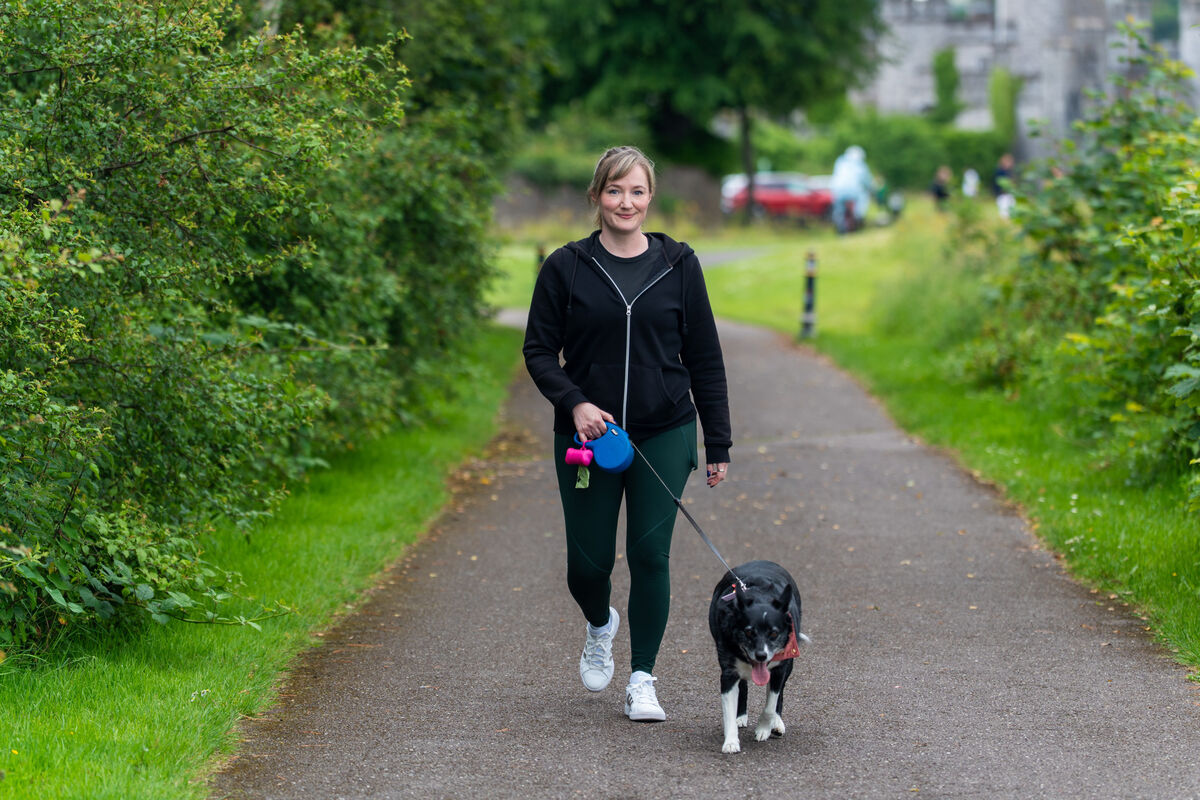
It suggested adding another 10 minutes to our walk, and perhaps including a hilly section. Easy, I live on a hill. Done. Week by week, my age started to reduce incrementally. I was desperate for a dramatic drop, but slow and steady progress was still progress.
In January, I had a couple of unexpected weeks off work after a medical procedure meant I couldn’t write — but I could still walk. Milly and I went off every day on our longer walks, perfecting our new route, which included a hilly section. Removed from work stress and early morning starts, my sleeping pattern became steadier as I finally listened to the helpful nagging from my Whoop and went to bed at the time it recommended.
I used to get seven hours of sleep a night, but now I always spend eight hours in bed — and I’ve learned that it’s not just how long we sleep that matters; our circadian rhythms also need consistency. Going to bed and waking up at similar times every day regulates and improves the quality of your sleep. Once I got to grips with that, I started to see real progress in bringing down my age.

When I went back to work, a colleague commented that I looked refreshed and glowing. It’s mad the difference fresh air, plenty of steps, and good sleep can make in such a short time. It really is the simple things that make the biggest impact.
On a day trip to Dublin for work, I sent a screenshot of my Whoop app to a friend. The second the train left Cork, my stress increased, and once I was back on the Cork train, it calmed again. I couldn’t have a more ‘proud Corkonian’ stat if I tried.
One surefire way to calm my stress, according to my Whoop app, is to read a book for a while. As a content bookworm, this is one health suggestion I’ll happily take on board.
Six months after first placing a Whoop on my wrist, I can smugly say the age it gives me is now lower than my own. At 34.5, I am now one year ‘younger’ than my age, according to its data, making me over three and a half years ‘younger’ than when I started wearing the fitness tracker. Given all it took was a few easy adjustments to my already existing routines, I think it’s an excellent result and one I’m keen to continue. And, more importantly, I feel great: Stronger and more energetic.
Whoop’s membership is pricey, starting at €199 a year, but if you struggle with staying accountable, it is worth it. For the next six months, I hope to tackle the next step Whoop recommends in lowering my age further: Increasing the time I spend on strength training.
I joked to a friend recently that since I missed out on a big birthday celebration due to covid lockdowns, I might throw a party if I bring my Whoop age down to 30. Keep that balloon order on standby while I lift my way to a lower age.

CONNECT WITH US TODAY



Be the first to know the latest news and updates