Natural health: What can I do about my itchy scalp?

When sweat ducts become blocked, they trap sweat beneath the skin leading to a prickling and itching sensation. Picture: iStock
Prickly heat is caused when sweat ducts become blocked, trapping sweat beneath the skin and sometimes forcing it into the surrounding tissue, leading to the typical prickling and itching sensation.
Vitamin C has natural anti-histamine properties, so taking 1,500-3,000mg of this nutrient daily will help your body to break down the histamine. This will also help as a preventative measure, since regular vitamin C can reduce the histamine response in your body, as well as help it to break histamine down more rapidly. Take your vitamin C in 500mg doses throughout the day rather than all at once for best results.
Fish oil is another supplement worth considering since both vitamins A and D have been shown to be deficient in sufferers of prickly heat. During the summer months, you will need to take 3,000mg of fish oil daily. For the remainder of the year, you will need 1,000mg daily.
Omergan by Sona contains fish oils from an unpolluted source along with flaxseed and starflower oils for a balanced ratio of the omega 3, 6 and 9 essential fatty acids. Thirty capsules cost €12 —see sona.ie.
For instant relief, try Balmonds Hair & Scalp Oil. Formulated with tea tree, rosemary, and nettle, this is a natural product designed to help with itching and flaking scalp conditions. Available from chemists, 50ml costs €20.99.
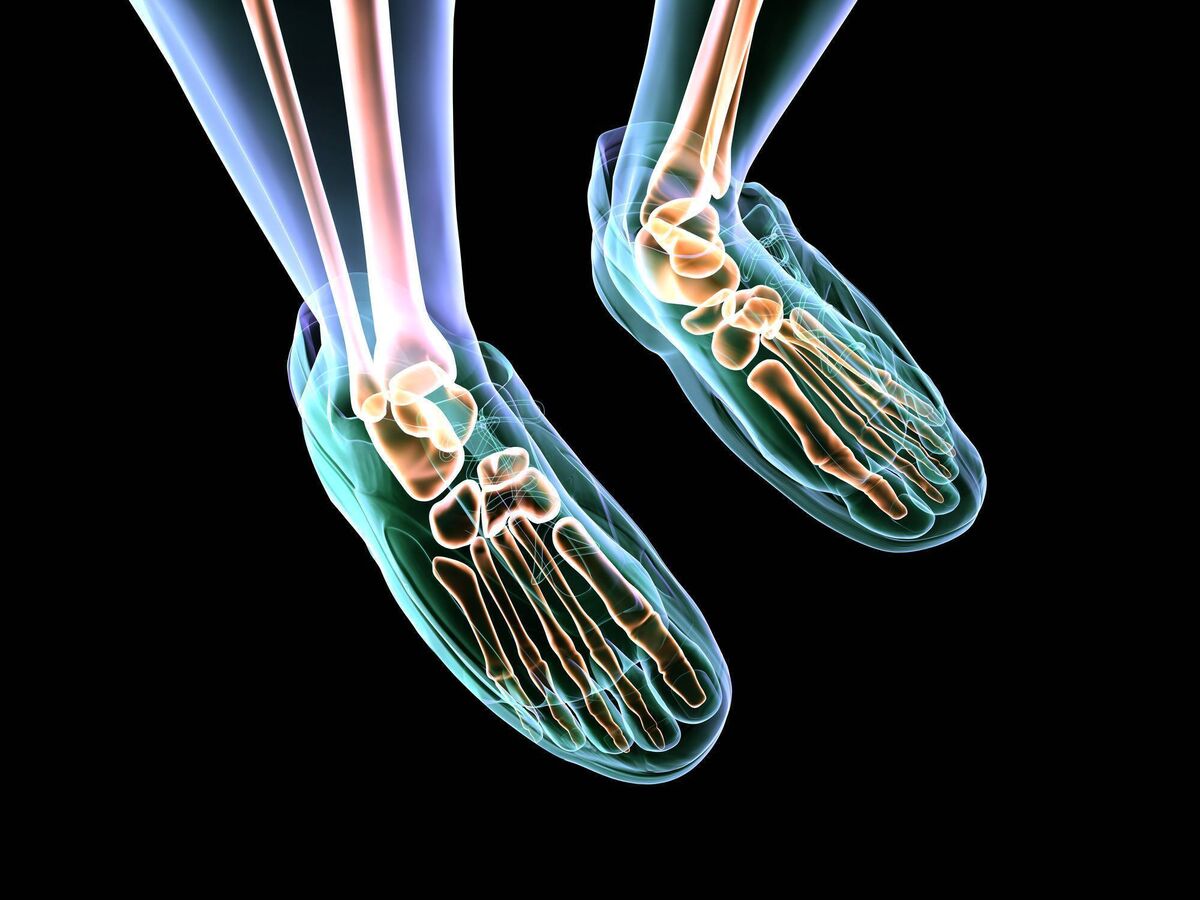
It is a condition that is believed to run in families due to the physiological foot structure.
Women tend to develop bunions at a much greater rate than men, in part due to shoes designed for fashion rather than comfort.
I’m glad to hear that you have already switched up your footwear, since this is the most important priority for bunion management. Fortunately, there are now several stylish, foot-friendly, and comfortable shoes available.
To address the aching pain you are experiencing, you might like to try a natural anti-inflammatory balm or cream. Ingredients such as calendula, arnica, peppermint, and menthol will all help in soothing, cooling, and healing the bunions while reducing the swelling.
You may also find that a gel pad applied to the bunion will help to protect the area and make walking more comfortable. These are usually available at pharmacies. For best results, apply the gel pad during the day to prevent further aggravation and the soothing topical treatment when you are at home with your shoes off.
Internally, I typically recommend vitamin C to support the body’s anti-inflammatory response. You will need to take at least 3,000mg daily for the best effect, either as 3 x 1,000mg doses or 6 x 500mg doses.
You might also like to consider supplementing with Bromelain, an enzyme extracted from pineapple, which is a potent anti-inflammatory agent. It reduces inflammation by breaking down fibrin, the substance responsible for localised swelling. The recommended dose is three 250mg tablets between meals, three times daily until the swelling subsides.
- NOTE: The information contained in this column is not a substitute for medical advice. Always consult a doctor.

CONNECT WITH US TODAY



Be the first to know the latest news and updates