How to stay safe in the water this summer
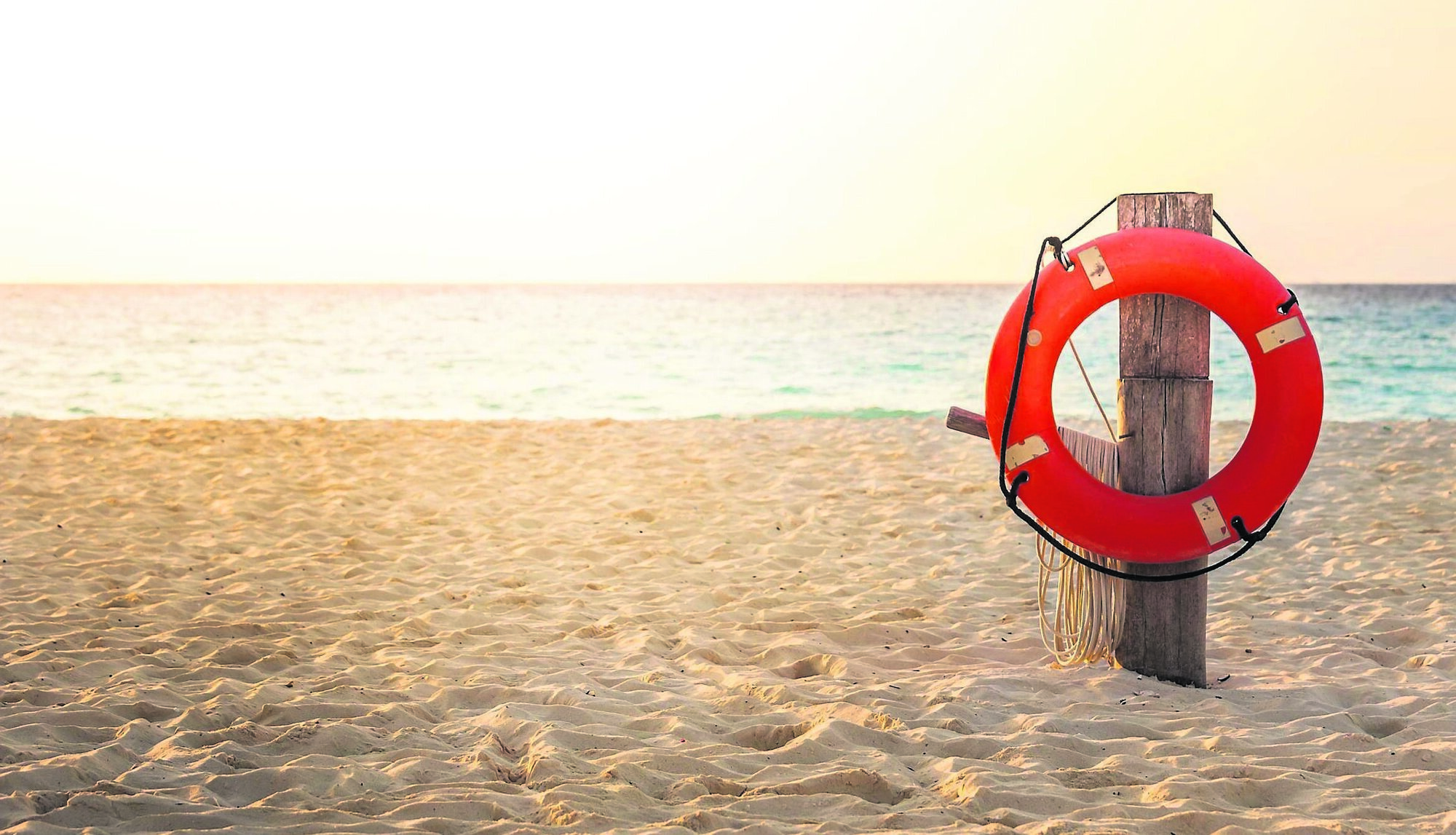
Between 2018 and 2022 there were 578 drownings in Ireland.
As the temperatures rise, many will flock to the beach, with some brave souls even taking to the water. In all the excitement of the good weather, water safety guidelines can be forgotten, yet water is unpredictable and needs to be respected.
A Water Safety Ireland National Drowning Report reveals that between 2018 and 2022 there were 578 drownings in Ireland. Dublin with 107 (18.5%), Cork with 73 (12.6%), and Galway with 60 (10.4%) were the three counties with the highest drowning burden in those years.
“One of the biggest mistakes people make is underestimating the sea or the open water. Conditions can change very quickly, especially around the Irish coast,” warns Anna Grant, education manager at Water Safety Ireland.
Lifeguard tutor at the Cork Lifeguard Academy, Graham Kerr, hones in on the specific conditions swimmers can expect in Irish waters. “The average sea temperatures around Ireland are between 11C and 14C. In August, it’ll go up to 15C to 17C, if we’re lucky. In those temperatures, cold water shock is a hazard. That happens when you’re suddenly immersed in cold water, which is considered anything below 15C.”
At these temperatures, Kerr says our bodies have a physiological response to that sudden immersion — you have involuntary gasping, your heart rate increases, your breathing rate increases, your blood pressure increases — and panic follows.
“That involuntary gasping might cause people to aspirate or breathe in water, and they’ll struggle, they’ll panic, they’ll exhaust themselves, and that can lead to drowning.”

Grant points out that the vast majority of drownings involve people who never intended to go into the water. They’re unprepared for cold water and can fall victim to cold water shock.
So with water temperatures unlikely to warm up significantly, how can people manage the cold water?
“The best thing to do is to slowly enter the water — acclimatise yourself,” advises Kerr. “If you suddenly find yourself in cold water [by accident or jumping straight in], the best thing to do is float on your back, let the effects calm down. The cold water shock should dissipate after about 90 seconds.”
Once your body has calmed down, Kerr says you should try to regain control of your breathing and gather your energy. Then make what he calls “your exit plan” by either raising your hand to draw the attention of a lifeguard or someone onshore, or if you’re a strong swimmer, making your way back to shore.
This advice is also critical in managing another significant danger in Irish waters — the rip current.
“In basic terms, a rip current is a strong area of water that moves quickly away from the shore. Waves push towards the beach, and that water has to go back out somewhere,” says Grant.
“They’re one of the major hidden dangers at beaches, because they can pull even really strong swimmers away from shore quickly.”
The visible signs of a rip current can be subtle and are not always easy to spot. Kerr says to look out for a “narrow, calm-looking channel” between lines of breaking waves. A patch of discoloured or sandy water can also be a warning sign, as the current stirs up the seabed. Foam, seaweed, or other debris drifting steadily out to sea may also indicate a rip current.
You can’t out-swim a rip current, says Kerr. If you’re caught in one, floating is the best response. “Get into your float position and let the rip current pull you out, because it’ll only pull you so far. Once it stops pulling you, raise your hand, shout for help.”
If you’re a strong swimmer and have energy, you can try to swim out of the rip current, says Kerr. “The best way to escape a rip current is by swimming diagonally out of it, not against the current.”
“We see it a lot in the summer months, where people bring inflatables like air mattresses, swimming rings, inflatable stand-up paddle boards, and kayaks to the beach. The danger is they can be swept out to sea very quickly, particularly in offshore winds.”
While paddle boards are becoming popular in Ireland, and can be safe, Grant says people need to prepare properly before using them. “That means checking conditions beforehand, wearing a buoyancy aid, using a leash, and staying close to shore if you’re inexperienced.”

When he worked as a lifeguard, Kerr says that if he saw people bringing an inflatable down to the shore, he would approach them and explain the dangers of using it in open water.
“During my years as a lifeguard, I’ve seen some incidents where people on inflatables were blown 1 to 2km off the coast before being rescued, and children have been carried away from shore on inflatable beds.”
Being at the beach with family can be great fun, but Grant warns that it’s vital to always keep an eye on your kids. “Having another adult there with you makes supervision much safer and easier. One person can watch the children near the water while the other helps with younger children or deals with anything else that comes up. The key message is active supervision. Children should never be left unattended near water, even for a moment.”
Digging holes in the sand is a rite of passage for many Irish kids when they hit the beach. But Grant warns that deep holes in the sand can collapse unexpectedly, trapping children or adults. If you do dig a hole, always fill it in before leaving the beach, he says.
Kerr advises parents to have a plan with their children before hitting the beach: agree on a meeting place if they get lost or tell them to approach a lifeguard if they can’t find you. “Of course we want our kids to have fun, but we need to educate them to see the ocean as a place that, yes, we can get a lot from, but we must treat it with respect — we need to have plans to keep ourselves safe.”
Cork County Council operates lifeguard services at 12 beaches across the county during the summer. They run at weekends only in June, daily in July and August, and on the first two weekends in September —from 10.30am to 7pm.
The safest option, says Grant, is to swim in a lifeguarded beach or a designated bathing area. If there’s no lifeguard present, “people need to be more cautious”.
“Don’t swim alone, check weather and tide conditions before entering the water, and stay within your depth. It’s also important to let someone know where you’re going and when you expect to return.”
Kerr encourages people to actively seek out any signage, especially where there’s no lifeguard. “Many beaches have hazard signs indicating dangerous currents or submerged rocks, but people sometimes get so excited to get in the water they ignore the signage.”
During the summer, lifeguards, paramedics, ambulance services, and firefighters are all under extra pressure, and Kerr says it’s even more important for everyone to act responsibly at the beach.
“We all need to work together to try and reduce the hazards, reduce the risk, and look out for each other, keep our community safe.”
- Respect the water and never become complacent.
- Swim at lifeguarded beaches whenever possible.
- Supervise children closely.
- Avoid alcohol before swimming.
- Don’t use inflatables in open water.
- Know your limits.
- Check conditions before entering the water.
- Don’t swim alone.
- If you get into trouble, try to stay calm and float like a star.
- If you see someone in difficulty, call 112 or 999 and ask for the Coast Guard.
- For more information on water safety, see watersafety.ie