Pedal power: Why men should cycle as they enter middle-age
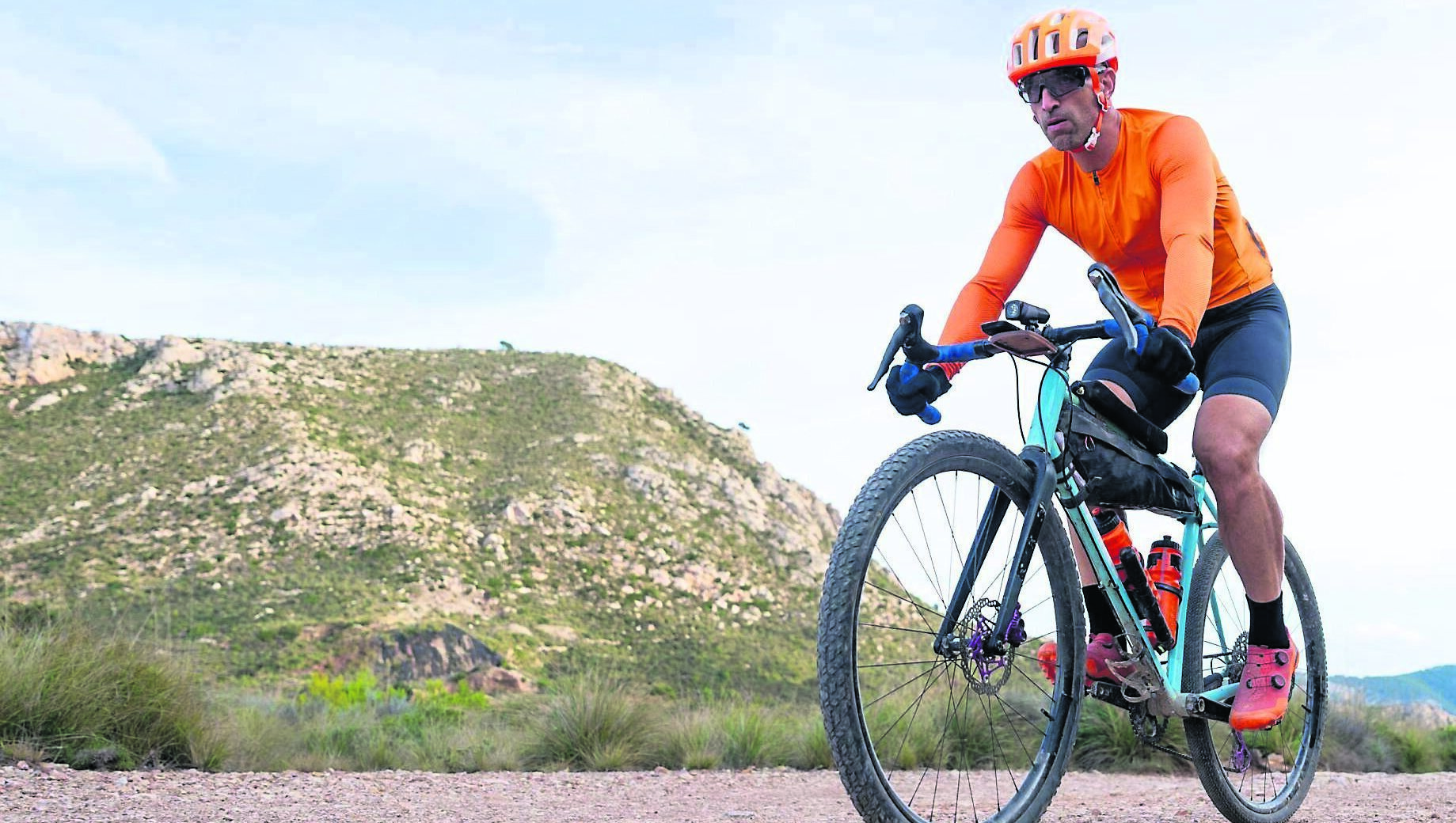
From improving cardiovascular health and muscle strength to boosting testosterone and lowering stress, cycling is one of the best ways for men to stay healthy as they age
Pedal power: Why men should cycle as they enter middle-age

Cycling preserves muscle mass for middle-aged men but is not as punishing on the joints as football, rugby, or running. Picture: iStock

Men in middle age should cycle. Cycling preserves muscle mass and delays ageing, but is gentler on the body and joints than sports such as football, rugby, or tennis, where injuries are common.
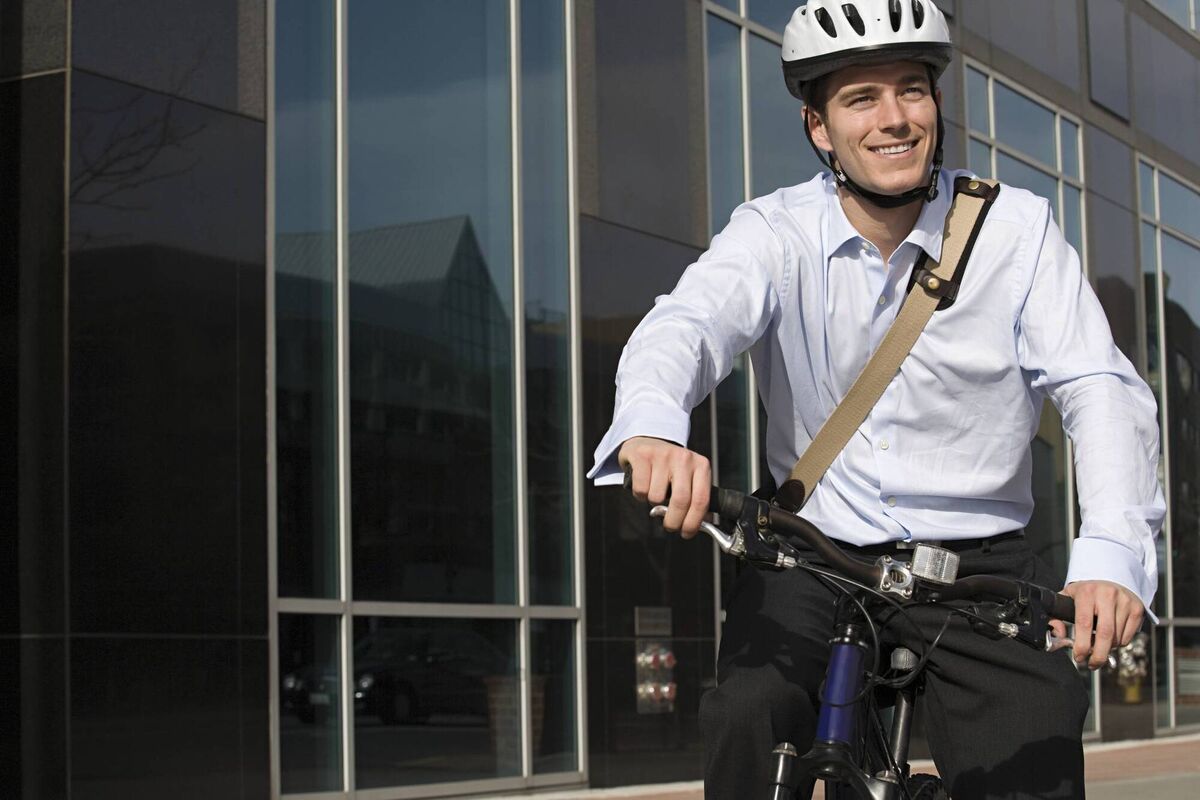
More people are cycling in Dublin, Cork, Galway, Limerick, and Waterford, Ireland’s largest urban areas. And cycling, as a substitute transport, takes 660,000 cars off the road every day. That is according to the National Transport Authority’s (NTA) 2025 Walking and Cycling Index. And the number of daily cyclists in Dublin alone has increased by 50% in just two years.

Men are more likely to get on their bikes than women. One survey commissioned by The Department of Transport, Tourism and Sport showed that 75% of people who cycle daily in Ireland are men

Dr Ciara McCormack, assistant professor of exercise and health at Maynooth University, says cycling for everyday transport is an excellent form of inadvertent exercise.

“A bike will help you to integrate exercise into your daily routine,” she says. “You can easily reach the national physical activity guidelines of at least 150 minutes of moderate-intensity aerobic activity per week if you pedal daily.”

Here’s what else cycling will do for your health:

You will get healthier if you pedal to work

Three years ago, a study from University College Dublin, published in the Journal of Public Health, found that ‘active commuting’ — that’s walking, cycling, or running to work — was associated with lower rates of obesity.

Active commuting is associated with lower rates of obesity. Picture: iStock

The lowest excess body fat was reported by cyclists who actively commuted more than 3km per journey.

A previous study, of 50,000 male Dublin City commuters, for a paper in the Journal of Transport and Health, had shown that a shift to cycling (from driving) to work was associated with a 10-20% reduction in cardiovascular disease, colon cancer, dementia, depression, and type II diabetes.

It will make your muscles stronger

For a study in BMC Musculoskeletal Disorders, Professor Alister Hart, consultant orthopaedic hip surgeon at the Royal National Orthopaedic Hospital in London, compared a group of 28 enthusiastic, recreational male cyclists with 28 sedentary male mid-lifers. Not only did the cyclists have much larger, stronger leg and buttock muscles, but their muscles were also much healthier and more youthful than those of the non-exercisers.

In particular, the gluteus maximus and gluteus medius – situated in and around the buttocks were strengthened as effectively as if they had weight trained. These ‘walking muscles’ play a key role in supporting the human body in everyday movement. “They are essential for holding the pelvis upright so that we can move well as we age,” Hart says.

There will be less harmful fat within muscle fibres

High levels of intramuscular fat — stored within muscle fibres — become more common as we age and activity decreases.

The accumulation of this type of fat can accelerate age-related muscle loss (which is known as sarcopenia), raising the risk of falls. Intramuscular fat has been associated with conditions such as type 2 diabetes, obesity, and heart disease, as well as a greater propensity for fractures and falls.

But the middle-aged men in Prof Hart’s study displayed much lower levels of harmful fat between the muscle fibres of gluteus maximus and gluteus medius.

“It’s clear evidence that cycling helps to maintain muscles and prevent them from being weakened by fat infiltration, delaying some of the effects of ageing,” Hart says.

It has an anti-ageing effect

The more you pedal, the more youthful your body might become.

Professor Janet Lord, a scientist at the University of Birmingham’s Institute of Inflammation and Ageing, reported in Ageing Cell that older cyclists had lower body fat and cholesterol levels than non-exercisers, but that older male cyclists also had high levels of testosterone, a hormone important for libido, muscle mass, and mood that typically dips with age.

The cyclists also had more youthful immune systems, their bodies producing as many protective T-cells as those of young people.

Cycling reduces anxiety

Being on a bike is also good for the middle-aged mind. People who cycle to work are 15% less likely to need a prescription for anxiety or depression than those who get there by other modes of transport, according to scientists at the University of Edinburgh.

Another study looked at the effects of recreational road cycling on a group of men, who were aged between their mid-30s and early 50s, and who spent a minimum of an hour a week so-called green-cycling through green spaces and the countryside.

None of the cyclists was motivated by competition or to cycle particularly fast, but were spurred on by the benefits to their wellbeing, including lower stress, a result, they said, of “getting away from it all” on their bikes.

It won’t affect your long-term sexual health

Lengthy bike rides can decrease blood flow to the penis and cause microtrauma to the perineum, resulting in temporary erectile dysfunction and genital numbness.

But there is no evidence of long-term risks. A report in the Journal of Urology found little difference in the sexual and urinary health of 2,774 male cyclists, 539 swimmers, and 789 runners.

And a large study of 8,074 male cyclists found no positive correlation between cycling and prostate cancer.

Riding out of the saddle more than 20% of the time while cycling significantly reduced the odds of numbness.

Check your saddle is comfortable before you start

Phil Cavell, an expert in bike biomechanics and the author of The Midlife Cyclist, says the incidence of saddle soreness rises in men after the age of 50, especially among those who are carrying extra pounds when they start.

Cavell says to invest in padded cycling shorts and get fitted for a comfortable saddle that offers maximum protection.

“A saddle that is too wide or too narrow for your pelvic architecture can cause numbness or problems for knees and back, so you shouldn’t buy one on looks alone and should go through a proper diagnostic procedure at a specialist shop,” Cavell says. “You shouldn’t have to ‘break in a new saddle’: it either works for you from the outset or it does not.”

x

More in this section

Lifestyle

Newsletter

Eat better, live well and stay inspired with the Irish Examiner’s food, health, entertainment, travel and lifestyle coverage. Delivered to your inbox every Friday morning.

Cookie Policy Privacy Policy Brand Safety FAQ Help Contact Us Terms and Conditions

© Examiner Echo Group Limited