I was struggling to conceive, and was always tired — I had an underactive thyroid 
Thyroid disorders can easily go undiagnosed, with symptoms such as fatigue, low mood and weight gain often attributed to other health issues. It took mother-of-three Michelle Audley years to learn that her underactive thyroid was hindering her ability to conceive
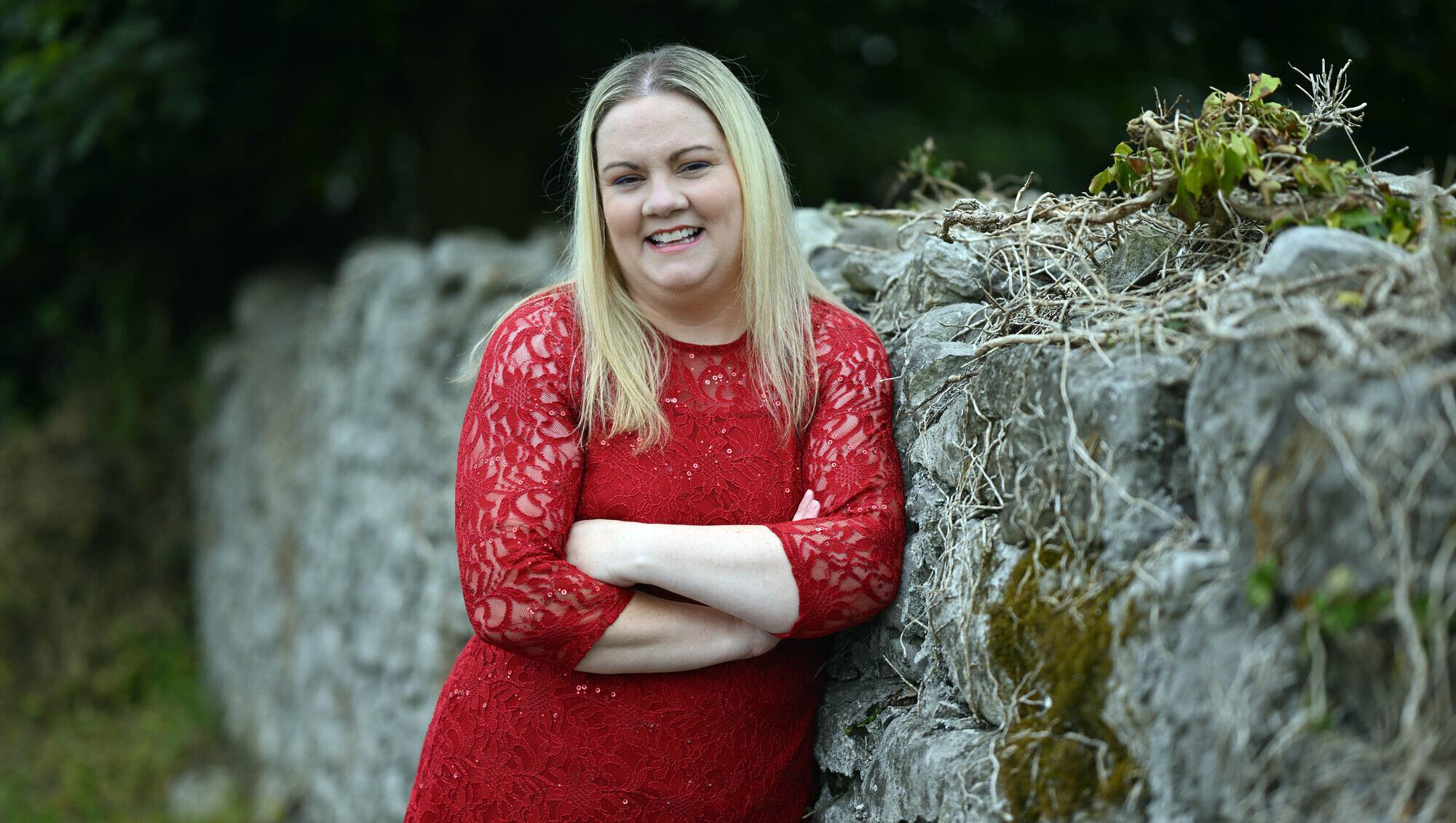
Michelle Audley was told in her early 30s that she had an underactive thyroid. Picture: Ray Ryan

Michelle Audley was told in her early 30s that she had an underactive thyroid. Picture: Ray Ryan

Michelle Audley is a busy mum of five-year-old twins and a two-year-old toddler. She considers herself incredibly lucky. After she got married at 37, she immediately started trying to conceive, but struggled. She wouldn’t learn for several years that her fertility problems were connected to issues with her thyroid.

“I’d been diagnosed with an underactive thyroid in my early 30s and put on medication,” says the now 46-year-old, from Galway. “Looking back, the medication made little difference to my symptoms. I was still fatigued. I still suffered from brain fog, and my stomach and face would regularly get bloated. I came to accept that as the norm for me.”

She went to her doctor after six months of trying unsuccessfully to conceive and was referred to specialists in thyroid health and fertility. The thyroid specialist recommended new medication and weight loss. The fertility specialist advised three rounds of IUI, where sperm is placed directly into the uterus around the time of ovulation. If Audley didn’t become pregnant following those attempts, the specialist said it would then be time to try IVF.

When the first round of IUI didn’t work, Audley decided on a different plan of action. She approached a private fertility clinic and found a Dublin-based GP, Dr Shandeep Momi, who specialises in thyroid health ( functionalthyroidcare.com).

“He changed my life,” says Audley. “I don’t think I’d have my three kids were it not for him.”

Momi diagnosed Audley with Hashimoto’s disease, a common autoimmune condition affecting the thyroid, which causes it to become underactive. He also advised her to take six months to balance her thyroid before resuming her attempts to conceive.

“He gave me a list of things to do, such as following a gluten-free, vegan diet and taking low-dose naltrexone, as well as supplements, such as ashwagandha,” says Audley. “Within weeks, people couldn’t get over the difference in how I looked, because the bloating just left my body. I wasn’t tired anymore. And, six months later, when he told me that my bloods were perfect and my thyroid hormone levels were balanced, I got pregnant with twins at 41 without any fertility treatment.”

Two years later, she conceived again. “I got lucky, because I saw the right doctors,” says Audley.

Momi points to the central role the thyroid plays in our health. “It produces hormones that are used by every single cell in the body, which makes it one of the body’s most important glands,” he says. “There are over 300 symptoms associated with an underactive thyroid alone, one of which is difficulty conceiving or recurrent miscarriages. I would like all women to be aware that addressing thyroid issues can increase her chances of conceiving and carrying a pregnancy to term.”

Thyroid and fertility

Thyroid problems can be a factor in fertility issues, according to Dr Maeve Durkan, a consultant endocrinologist and senior clinical lecturer in medicine at University College Cork. “Doctors now test thyroid function if a woman is struggling to become pregnant or has experienced pregnancy loss,” she says.

“Addressing a woman’s underlying thyroid issues and ensuring her thyroid levels are normal will increase her chances of conceiving and carrying a pregnancy to term.”

Awareness of thyroid disorders is growing as more people speak openly about the challenges of living with these conditions. Irish Olympian Phil Healy recently announced that her struggles with Hashimoto’s disease were a factor in her decision to retire from professional athletics. Also, Ireland AM’s Katja Mia, popstar Úna Healy, and supermodel Gigi Hadid have all acknowledged publicly that they too have been diagnosed with the disease.

In the 2025 Irish Examiner National Women’s Health Survey, 11% of perimenopausal, menopausal, and post-menopausal women said they had experienced thyroid health issues, while a further one in four suspected they might have.

The thyroid is a gland situated just above the upper part of the sternum. It makes thyroxine and triiodothyronine, hormones that are essential to life. Durkan says that “thyroid dysfunction is very common in adults. It’s probably the most common autoimmune endocrine condition of all. It affects between 3% and 5% of the population, usually occurs between the ages of 20 and 40, and is about three times more common in women than men.”

Consultant endocrinologist and associate professor at University College Dublin Dr Carla Moran adds: “There is also the issue of thyroid nodules, which affects 50% of people within their lifetimes.

“These are little lumps and bumps like the ones we get on our skin, and men and women can also get them on their thyroid,” she says. “In most cases, they are small, benign, and don’t cause symptoms. But some can grow to the extent that they cause discomfort while swallowing or a feeling of tightness or constriction. In those cases, medication or surgery may be required.”

What happens if your thyroid becomes dysfunctional? Durkan compares the thyroid to “a generator that controls the metabolism of every cell in the body” and explains that there are two main ways that generator can go wrong.

Dr Maeve Durkan: “Doctors now test thyroid function if a woman is struggling to become pregnant or has experienced pregnancy loss,”

In 1% of the population, the thyroid can become overactive, leading to excessive production of thyroid hormones and a condition known as hyperthyroidism. “The symptoms of hyperthyroidism include sweating, flushing, heat intolerance, palpitations, new anxiety, insomnia, unexpected weight loss, profound hunger, muscle weakness, and diarrhoea,” says Durkan.

In up to 3% of the population, the thyroid can also become underactive, resulting in the production of too few thyroid hormones and a condition called hypothyroidism. The symptoms to look out for here, says Durkan, are fatigue, feeling sluggish, feeling cold, constipation, and unexpected weight gain.

A 2025 review of 59 studies conducted between 1965 and 2024 estimated that Hashimoto’s affects between 5% and 10% of the population, with prevalence higher in women than in men.

One of the challenges associated with diagnosing thyroid dysfunction is that symptoms can easily be confused with the side effects of stress, ageing, or even mental health conditions, like depression. However, if you present to your GP with these as new symptoms, Durkan says they should “run a set of tests that would almost always include a thyroid panel”.

Further complicating factors are that some symptoms develop slowly, so slowly that, as in cases like Audley’s, people can begin to accept them as their new normal. Or that symptoms can be confused with those of perimenopause.

“The symptoms of an overactive thyroid can mimic the flushing, sweating, heat intolerance, and anxiety women experience in perimenopause,” says Durkan. “It’s always important to check thyroid function before committing to a treatment plan of presumed menopause.”

Women more susceptible

Why women are more likely to develop thyroid issues than men is not fully understood, but Moran says that “women are more likely to get autoimmune disease in general, and most thyroid dysfunction is caused by autoimmune disease”.

A woman’s risk of thyroid dysfunction increases in the 18 months after she has a baby. This elevated risk has led Durkan to question whether pregnancy-related changes in the immune system may play a role.

 Dr Carla Moran: “There is also the issue of thyroid nodules, which affects 50% of people within their lifetimes.” Picture: Moya Nolan
Dr Carla Moran: “There is also the issue of thyroid nodules, which affects 50% of people within their lifetimes.” Picture: Moya Nolan

“My opinion is that for women to maintain pregnancy, their immune system must dampen down so as not to attack the foreign body that is the baby,” she says.

“Then, when the baby is delivered, the immune system kicks back in but may overshoot. It’s common for thyroid issues, particularly hyperthyroidism, to be diagnosed in women during the postpartum period, but they usually settle down with time.”

Moran emphasises that diagnosing an underactive or overactive thyroid is straightforward, and treatment is usually relatively simple.

“Your doctor will ask about your personal and family history of thyroid and autoimmune disease, as well as about your symptoms and any medications you may be taking. They will examine your neck and order blood tests. If it’s found that you have an underactive thyroid, they are likely to recommend levothyroxine [a synthetic thyroid hormone] tablets. And if you have an overactive thyroid, they will usually prescribe carbimazole tablets or a treatment called radioiodine or surgery.”

Moran stresses that anyone with any of the following symptoms should make an appointment to see their doctor. “Lethargy, low mood, weight gain, palpitations, anxiety, weight loss or a neck lump should always prompt a visit to the GP,” she says.

Audley has advice of her own. “If ever you don’t feel well, go to see a doctor, and if they prescribe medication and it doesn’t help, ask for a different medication. I sat in many a waiting room, blaming myself for my struggles to have a baby. But once I was prescribed the right medication and the right treatment, I gained control of my health, which impacted my fertility, and now my husband and I have our wonderful children.”

How do I know if I have an underactive thyroid

If you are worried that you might have an issue with your thyroid, it’s critical to discuss your concerns with your doctor. Dr Maeve Durcan and Dr Carla Moran share a checklist of questions you can expect your doctor to ask.

1. What are your symptoms? When answering this question, pay particular attention to new symptoms, but don’t forget to mention symptoms that may be more long-lasting. Some people refer to the slow creep of symptoms that develop over time.

2. What is your family medical history? Thyroid issues often run in families, so be sure to mention if a close relative has been diagnosed in the past.

3. What medications are you currently taking? Some medications — such as heart steroids and lithium — can affect thyroid function.

4. Do you smoke? Thyroid issues tend to be worse in smokers.

5. What is your diet like? The thyroid needs iodine to make thyroid hormones. Iodine can be found in dairy, fish and seafood, but people who follow restrictive diets may not have enough of it and may need to take a supplement to achieve an adequate intake. The HSE recommends an intake of up to 150 micrograms per day for adults.

6. If you’re a middle-aged woman, you may be asked about your menstrual cycle. This is because there is some overlap between symptoms of thyroid dysfunction and symptoms of perimenopause. However, even if perimenopause may be a factor, you should still expect your doctor to carry out a thyroid function test.

You should also expect your doctor to ask if they can carry out a physical examination of your neck so that they can check for lumps or nodules. Most importantly, they should order blood tests to determine your thyroid hormone levels.

More in this section

Lifestyle

Newsletter

Eat better, live well and stay inspired with the Irish Examiner’s food, health, entertainment, travel and lifestyle coverage. Delivered to your inbox every Friday morning.

Cookie Policy Privacy Policy Brand Safety FAQ Help Contact Us Terms and Conditions

© Examiner Echo Group Limited