'I held my baby for 59 minutes — I’m learning to live with the pain of her loss'
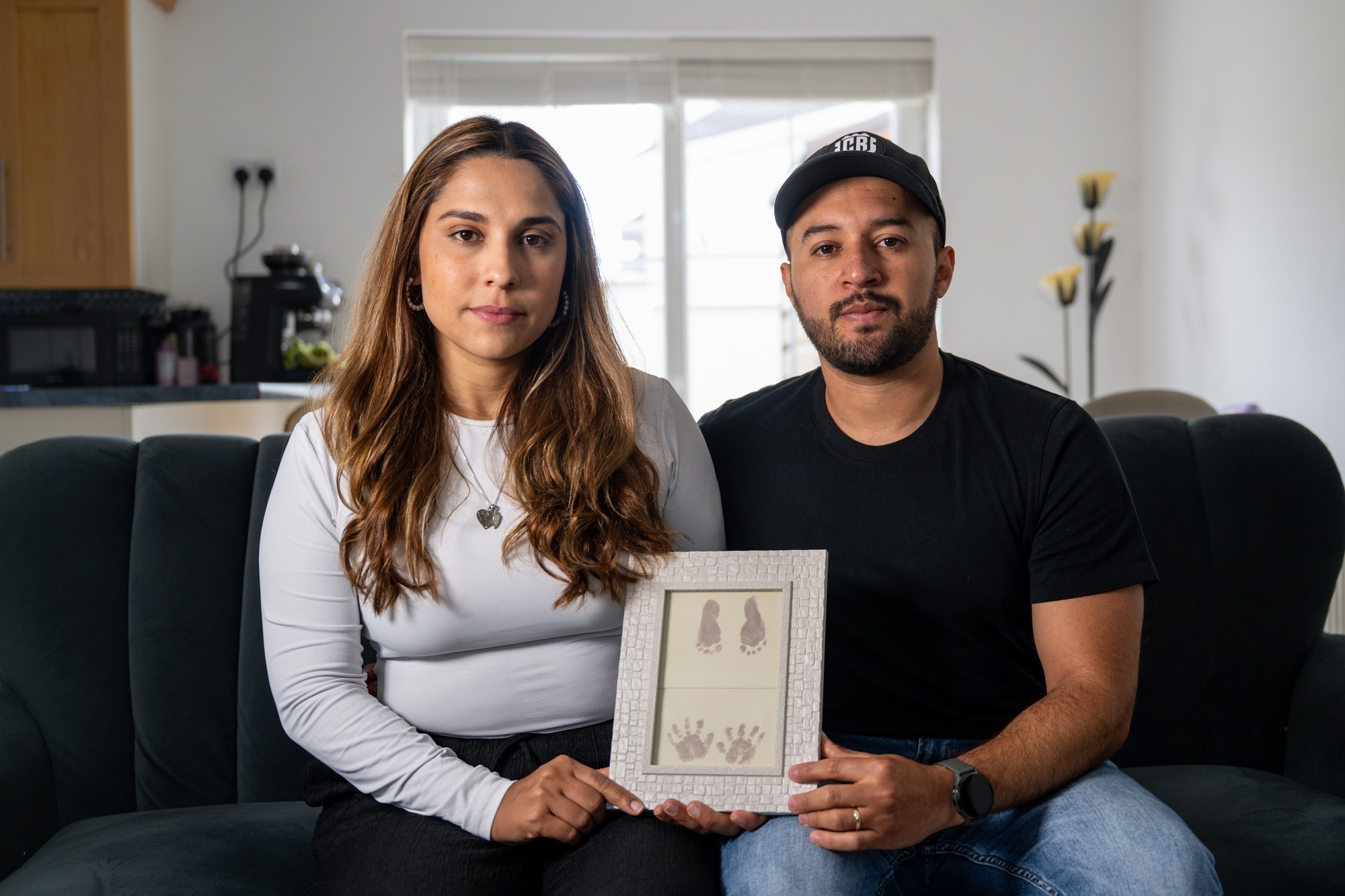
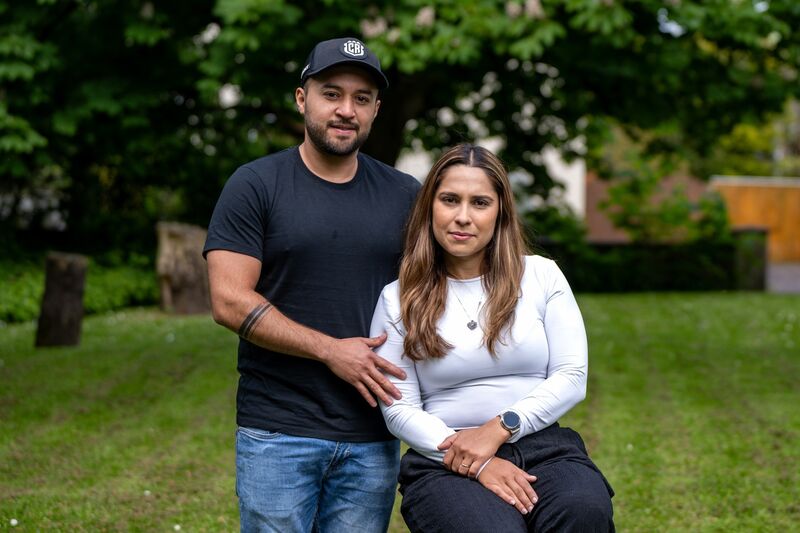
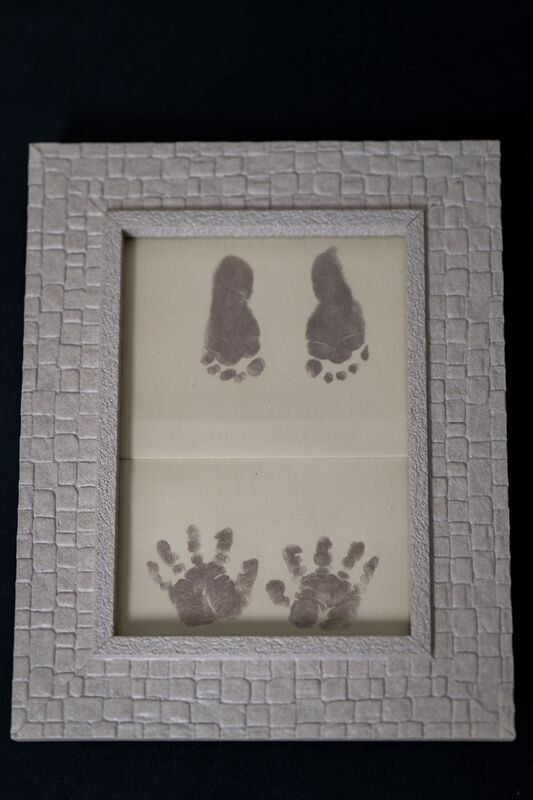
Daniela Gomez and Daniel Brenes hold imprints of their daughter Alma’s hands and feet, treasured keepsakes from the short time they shared with her following the birth in January. Picture: Chani Anderson
Working as a nurse in the Bon Secours Hospital in Cork, Daniela Gomez was overjoyed when she and her husband, Daniel Brenes (a software developer), discovered they were expecting a baby.
The couple had endured an early miscarriage in December 2024, and four months later, finding out that she was pregnant again was the best news possible.
But not long after the first trimester, they were told the awful news that their baby had a rare condition which was not conducive to life outside the womb.
“The first three months of the pregnancy were pretty normal,” says the 31-year-old, who is originally from Costa Rica, but now lives in Ballincollig, Co Cork. “But when we had the anatomy scan at CUMH, the midwives found something wrong; I was referred to a specialist in foetal medicine. After some tests and scans, they diagnosed our baby with thanatophoric dysplasia, a bone disorder which would make it impossible for her to survive.
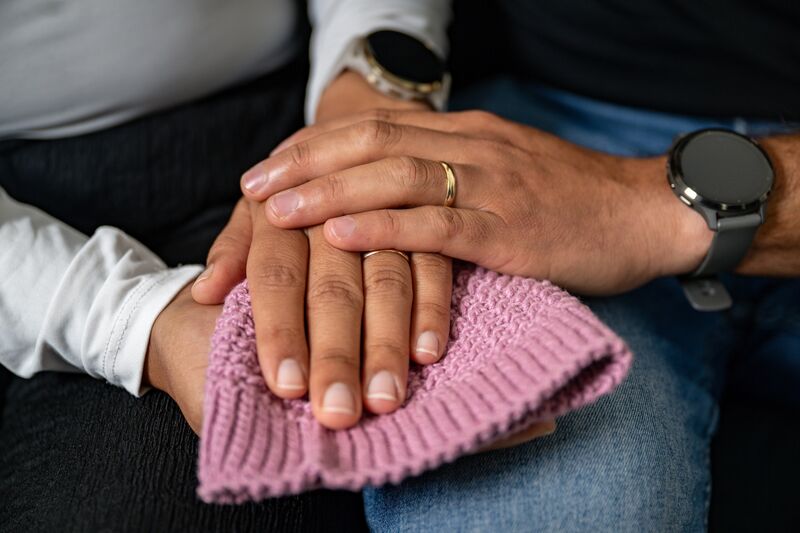
“We were offered to stop the pregnancy, but we rejected that as we couldn’t imagine knowing that we did not give our baby the opportunity to be on Earth for the time she was meant to be. So we continued as far as possible with the amazing team in the hospital.”
On January 8, 2026, Gomez gave birth to Alma by caesarean section at 32 weeks. Despite the tragedy of the situation, the couple asked that their baby spend every living moment with them so they could treasure their short time together.
“She was put onto my chest straight away and remained there for 59 minutes, just like a baby sleeping with her mother. Daniel also had the opportunity to hold her – she was baptised in the operating room.
“Initally, I felt fine, content because my wishes were respected, we got to spend time with her, and she came to this world alive. But on the morning of the second day, reality hit me hard. I felt a pain that is difficult to explain. I was crying a river, feeling lonely, desperate, disappointed, frustrated, useless, guilty and did not want to live. I wished with all my heart that everything was just a nightmare.”
What followed was a “survival period”, with her husband and mother making sure that she ate and drank.
“I pushed myself to do the basics and, little by little, I managed to get out of bed and walk around. I wanted to move forward to try and get away from the pain but, of course, I wasn’t ready and this made things worse and I had quite a few relapses in the early days.”
Gomez and Brenes are not alone in their grief, as each year, hundreds of families in Ireland face the devastating loss of a child.
Marking its 50th anniversary, First Light, originally known as the Irish Sudden Infant Death Association, which was established by Eimear Berry following the cot death of her 14-week-old son, Brendan, aims to offer support and guidance to grieving parents.
In 2025, FirstLight received 293 referrals, representing a 26% increase from the previous year. The number of bereaved parents and family members accessing counselling rose by 15% to 365 clients, with a total of 2,715 hours of counselling delivered over the year.
The charity has played a central role in transforming how child loss is understood and supported in Ireland. Andrew Mernagh, FirstLight general manager, says that, following the death of a child, families will go through a number of different emotions, including overwhelming sadness and yearning, shock and disbelief, guilt and self-blame, anger and anxiety or fear about the future.
“Also, many parents report periods of emotional numbness or detachment, which FirstLight counsellors recognise as a protective response when the pain feels unbearable,” he says. “Grief is also deeply physical. Parents may experience exhaustion, disrupted sleep, memory and concentration difficulties, heightened sensitivity, or a sense of being constantly on edge.”
Parents may grieve not only the child who died, but also the identity they had begun to form as parents, and the life they expected to share, says Mernagh. “But there is no ‘right’ or ‘healthy’ way to grieve the death of a child. These reactions are natural responses to a traumatic and profound loss, and they reflect the depth of love and attachment between parent and child.”
The charity boss says that what grieving parents often need is a simple, compassionate presence: “It is not about having the right words, but about being willing to stay alongside them in their pain. It is also important to understand that partners may grieve differently, and that there is no single timetable for healing.
“You cannot take away the pain, but your kindness, presence, and willingness to remember the child can ease the loneliness that often accompanies grief.
“Parents do not expect perfect words. What they need is sincerity, compassion, and the reassurance that their child’s life — however brief — is acknowledged and honoured.”
Gomez says that the ongoing feelings of grief are ‘like being on a rollercoaster’ and while therapy is helpful, the pain is still very raw.
“I have a very kind art therapist in Ballincollig who has helped me to heal,” she says. “I discovered the power of the art to modulate and control emotion and I’m learning to live with the pain and the absence of a piece of myself.
“I also put pictures of Alma in the house and created a small dedicated area with some things she wore, which gives her the space she deserves in our house. I feel that I have very mature emotional management, but Alma’s death has shown me how vulnerable we can be. She has shown me how much I can love, and that length of time doesn’t mean anything when you become a mother.
“It has only been [five] months [since she died], so it’s too soon to say if the pain has lessened, but I have started to feel a bit better. I am a Catholic, so I believe that her soul has gone to a beautiful place, where she is watching and probably wants us to enjoy life. I think we must honour her life by living ours.”
The grieving mother says that it is important to “accept that pain exists, that grief is real and that the wound must be open to heal”.
Advising others dealing with a similar loss, she says: “It’s too hard to navigate this alone. And if you have a partner, please understand that their grief will be different from yours; that doesn’t mean they care more or less. Stay close to each other, and prioritise the relationship because your partner will be the nearest person who knows the pain you are going through.”
- For more information on FirstLight’s services, see firstlight.ie.


CONNECT WITH US TODAY



Be the first to know the latest news and updates