Take it to the max with a fibre-rich diet: 'Most people do not get enough fibre'
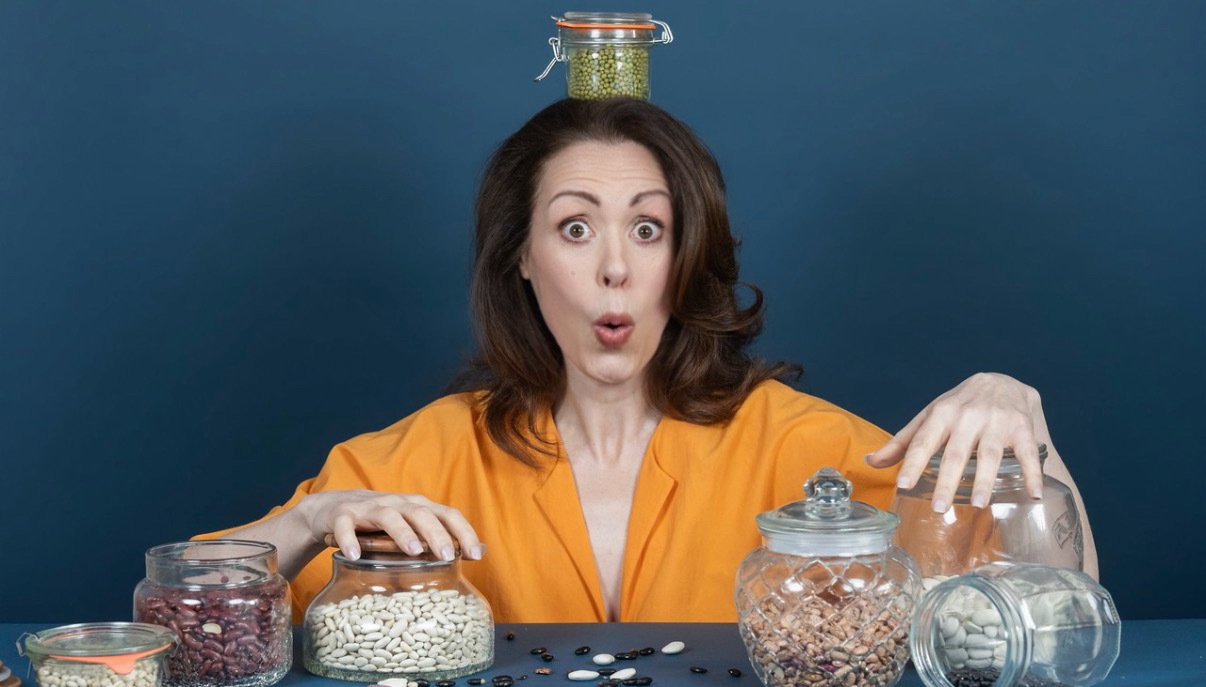
‘Beans’ author Ali Honour says that beans, peas, and legumes are packed with nutrients, affordable, and climate-friendly. Picture: Jolene Cronin
For anyone who was around in the 1980s, the recent advent of fibermaxing on TikTok might sound like a return to the F-Plan. That way of eating was based on Audrey Eyton’s bestselling The F-Plan Diet, first published in 1982. When the book with its eye-catching typographical cover design arrived in rural Ireland, it seemed to be based mostly on eating All-Bran for breakfast and lots of baked potatoes. The emphasis on high fibre foods didn’t stick around; people moved on to new, different dietary promises, but now it seems fibre is back.
An umbrella review published last year in on the impact of fibre consumption on health found that higher dietary fibre intake is associated with lower risk of cardiovascular disease, lower risk of type 2 diabetes, and lower risk of certain cancers.
Even so, Irish fibre intake remains low; according to the Irish Nutrition and Dietetic Institute, 86% of Irish adults do not consume the recommended level of 25g-30g per day.
“Beans are the answer,” says Cork-based chef Ali Honour, who has just published her first cookbook, the aptly named Beans.
It’s a nifty handbook on pulses, including instructions on cooking beans from scratch, making the most of tinned and jarred options, and with inventive, no-waste recipes and family-friendly meal ideas that include spiced dal fritters, a Bean Queen burger, and berry bean mocha fudge cake.
“Ultra-processed foods are dominating people’s diets, and trends [like fibremaxing] can be a great opportunity to inspire change.”
Many ultra-processed foods are low in fibre and low in other essential nutrients. “Fibre is a reflection of the food system,” says Honour. “We manoeuvred it out of our diet when we prioritised convenience over nourishment.”
Beans are the antidote, she says. “They’re naturally full of fibre and full of plant-based protein.”
In her book, Honour points out that “beans are nutrient-dense, affordable, climate-friendly, and can be grown in a way that improves the soil rather than exhausts it”.
Peas, beans, and lentils are nitrogen-fixers, crops that can naturally increase the amount of nitrogen in the soil and improve its fertility. Not only that, but they are also packed with flavour.
“Beans are an underused and overlooked solution,” says Honour. “They still have this stigma around them as a cheap food. In other cultures, beans are essential, and they’re used in making simple dishes that are delicious.”
Honour has, as she says, “been talking about beans for a long time”. She works with Beans is How, an international chef-led campaign launched at the 2022 United Nations Climate Change Conference, with the ambitious aim of doubling worldwide consumption of beans, peas, lentils, and other legumes by 2028.
Honour, as one of its bean champions, has been developing creative and innovative dishes that people want to eat from this sustainable ingredient, which comes in so many different varieties.
In Beans, Honour sprouts mung beans and ferments favas, turns green beans into salad and confits butter beans, transforms black-eyed beans into ketchup and takes haricots over the top by making chocolate bean spread.
People have a reluctance to eat beans, Honour says, perhaps because of that old song about beans being a ‘musical fruit’. Any sudden increases in wholefoods can cause gassy issues and flatulence. That can put people off
“To increase fibre in your diet, bring it in slowly, so your body can adjust and your gut can start working properly,” she suggests. “Water is of huge importance with that, as it helps with digestion.”
The gassiness is an issue Honour tackles in her book, also pointing out that fermented and sprouted beans can be easier on the gut, but the beans need to be soaked, cooked, and rinsed thoroughly and, when all else fails, she recommends having a laugh about it.
After all, farting is, most of the time, a sign that your gut is just doing its job and doing it well.
While Honour welcomes this new engagement with fibre, she points out that “there is a lot of noise in the food space, with different products and health claims. But we don’t need to reinvent nutrition, we just need to eat real food,” she says.
“Fibre and beans aren’t a trend, but they are a solution that we’ve ignored. More and more, the future of food isn’t innovation, it’s rediscovering what we’ve lost.”
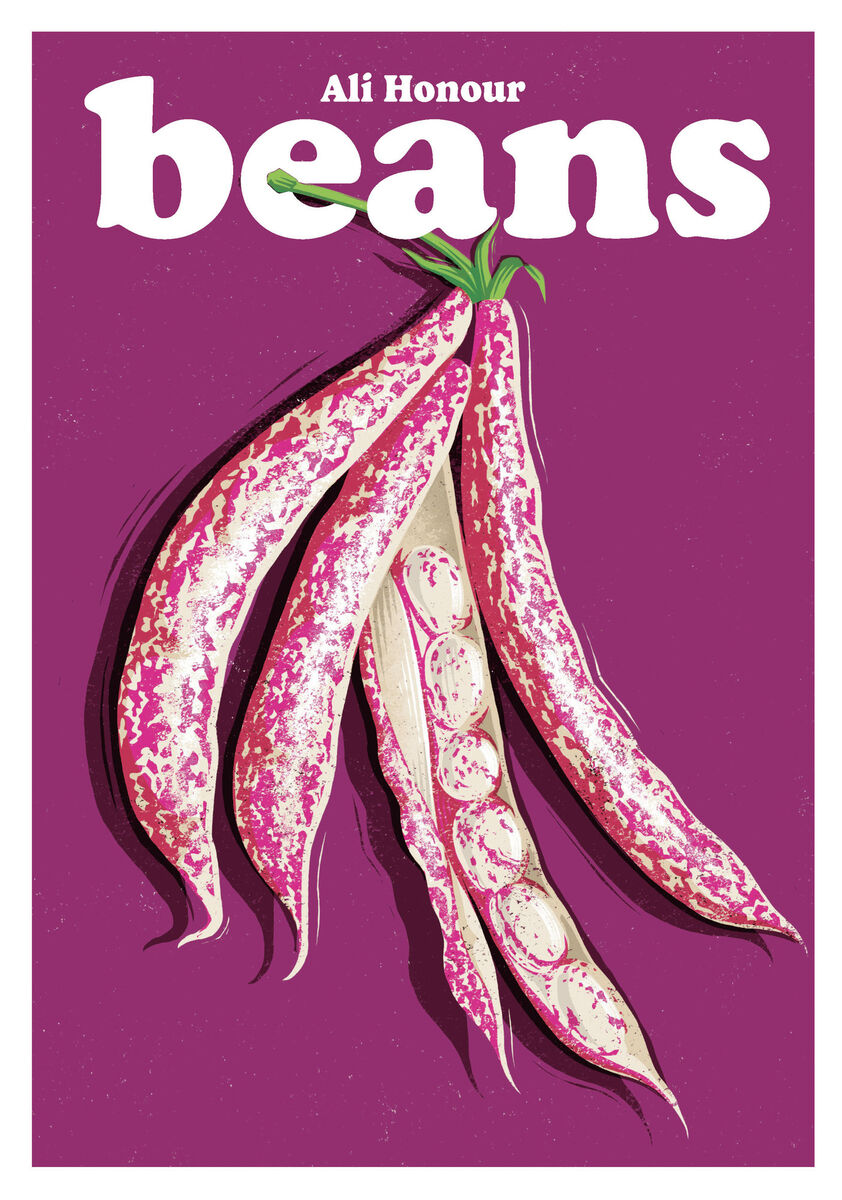
- ‘Beans: Recipes for a Pulse-Powered Future’, by Ali Honour (€17), is available in bookshops and at blastabooks.com
Roast tomato gazpacho with crispy beans & pesto
There are few better ways to enjoy fresh tomatoes than in a bowl of gazpacho. I make the crispy beans all the time as a topping for salads, soups and even granola (yes, really!). From Beans by Ali Honour

Servings
4Preparation Time
30 minsCooking Time
45 minsTotal Time
1 hours 15 minsCourse
MainIngredients
1kg (2¼lb) vine-ripened tomatoes, kept whole and on the vine
1 medium onion, unpeeled and quartered
4 garlic cloves, left whole and unpeeled
a handful of fresh herbs, such as thyme or oregano
2 tbsp olive oil, plus extra to serve
1 tsp sea salt
500ml (2 cups + 4 tsp) water (or as needed)
freshly ground black pepper
FOR THE CRISPY
BEANS:
1 tbsp olive oil
200g (1 cup) cooked beans (butter beans, cannellini, fava, haricots, Carlin peas or brown lentils all work well)
FOR THE HERB STALK PESTO:
20g (¾oz) fresh herb stalks (basil and/or parsley, though a few bits of rocket work too)
1 garlic clove (optional)
60ml (¼ cup) olive oil
juice of ½ lemon (or a little water)
1 tbsp toasted nuts or seeds (pumpkin or sunflower)
½ tsp sea salt
Method
Preheat the oven to 200°C (400°F).
To make the gazpacho
Put the whole tomatoes on the vine, the quartered onion, unpeeled garlic cloves and herbs on a baking tray. Drizzle with the oil and sprinkle with the salt, then roast in the preheated oven for 30–40 minutes, until the tomatoes are soft and slightly caramelised.
Remove and discard the onion skins, then pop the roasted onion into a blender. Squeeze the roasted garlic from its skins and add it to the blender along with the roasted tomatoes, herbs, water and any juices that have collected on the baking tray.
Blend until smooth. It will be thick, so add more water if needed to get it to the consistency you want. Taste and adjust the seasoning with salt and pepper. Chill in the fridge for at least 1 hour.
Meanwhile, to make the crispy beans
Heat the oil in a frying pan on a medium-high heat. Add the beans and cook for 5–7 minutes, until they are all crispy and golden. Sprinkle with salt and set aside. (Or you can cook them in an air fryer on high
for 4–6 minutes with no oil.)
To make the pesto
Put everything in a blender and blitz until combined but still with a bit of texture.
To serve, pour the soup into bowls. Top each one with crispy beans, then drizzle with the herb stalk pesto and an extra swirl of oil.
try this
Instead of serving this as a cold gazpacho, you could heat the soup and use it as a sauce for pasta or fish.