All work and no play is a recipe for burnout: 'We’re not machines, and we all need recovery time'
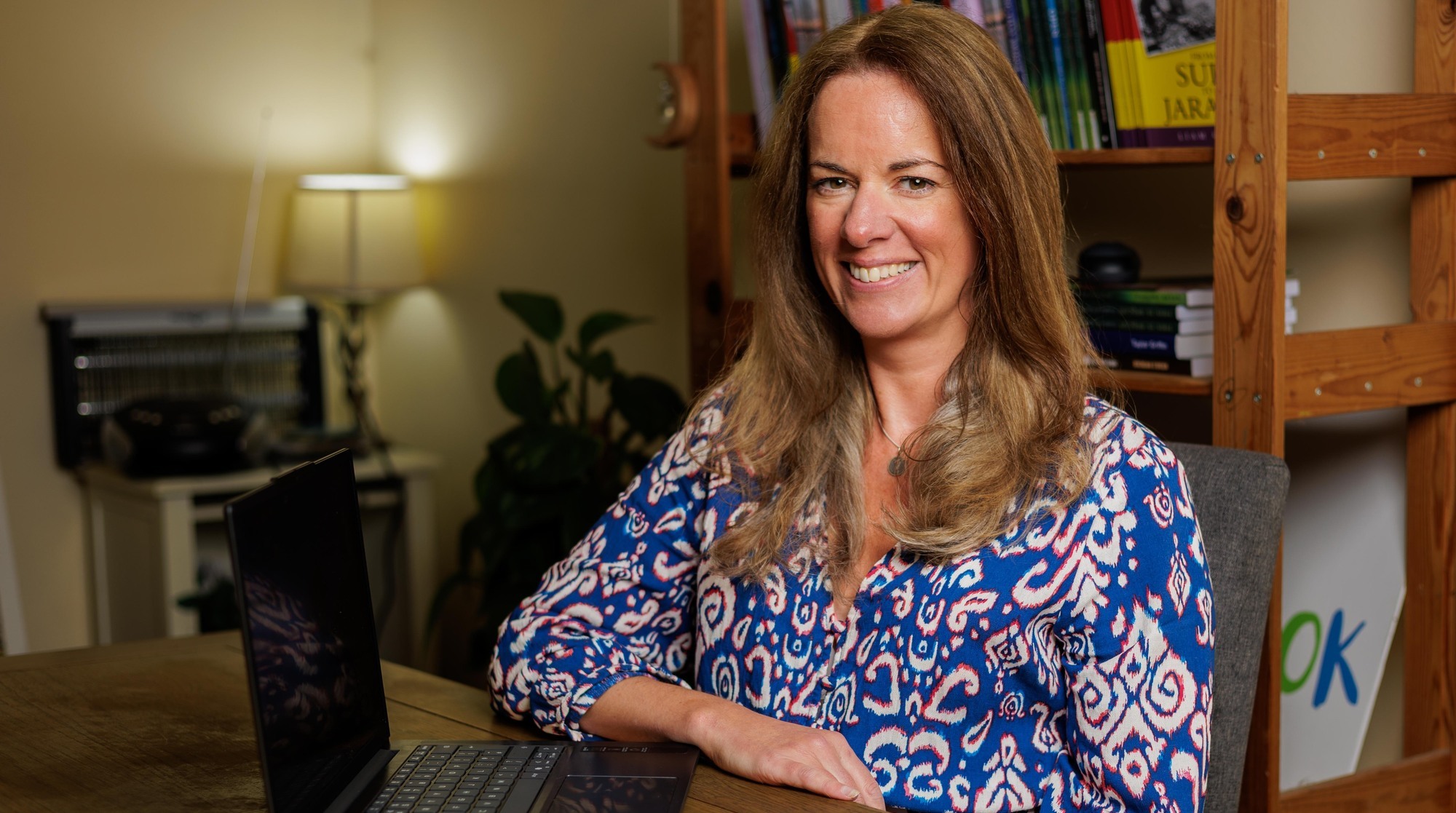
Rachel Drury says she crossed the line between being a hard worker and overworking, which had a serious impact on her health. Picture: James Connolly
Rachel Drury was raised to be a worker. “From a young age, my parents expected me to work hard at school, housework, and hobbies,” says the 42-year-old, from Sligo.
“I was packing bags in Superquinn at 15 and had part-time jobs right through college.”
She studied engineering and built a career in renewable energy, working in Ireland, Sweden, and Chile, before becoming the project manager of the largest solar farm in Australia.
“I loved my work,” she says. “But, at some point, I crossed a line between being a hard worker and working too hard.”
Drury’s move to Australia in 2013 came with “an enormous sense of pressure”. Her employer had sponsored her visa, and Drury felt she “had to be better than any Australian they could have hired instead”.
Also, the Australian renewable energy industry was male-dominated, so Drury pushed herself to prove she was as good as her male colleagues.
The pressure impacted her health and she started showing the symptoms of ulcerative colitis.
“I ignored those symptoms and put my job ahead of my health,” Drury says. “It was only when I was hospitalised and later started developing arthritis, which made it difficult to travel for work, that I stopped. But that took years.
“In the meantime, I took painkillers and pretended everything was fine when it wasn’t.”

Professor Kevin Murphy is the Kemmy Chair of Work and Employment Studies at the University of Limerick.
He believes society’s emphasis on striving for success makes it difficult for people to recognise when they have crossed the line between working and over-working.
“We all enjoy seeing the results of our hard work,” Murphy says. “But we’re living in an age of peak performance, when people are pushed to put more time, effort, and mental energy in to work. We look up to people like Elon Musk and Stuart Machin, the CEO of Marks & Spencer, who has said he doesn’t like switching off on holidays.
“Work is all-important to these people, and they can have a hard time understanding why the rest of us don’t live that way.”
Virge Connery, a chartered behavioural psychologist and member of the Psychological Society of Ireland, points to other contributing factors.
“As social beings, we respond to the praise and recognition we get from others for our hard work,” she says.
“Some people prioritise financial rewards, such as pay raises and bonuses, over their own wellbeing. And people who work in caring professions can feel they are letting others down if they refuse to take on more work. That combination of responsibility, empathy, and compassion is a major factor in over-work.”
The impact of taking on too much work can be significant. “It can damage physical and mental health, increasing stress and the risk of stroke, cardiovascular disease, depression, and anxiety,” says Murphy. “Socially, it can affect your wider family.”
A 2010 Harvard Business Review study of 3,500, people with workaholic tendencies reported that they had more health complaints, sleep problems, and depression than their colleagues. An earlier 2001 University of North Carolina study found that workaholism contributed to communication breakdown in families and to increased marital conflict.
Workaholism can be tricky to diagnose. It’s a habit that builds gradually. That’s why, Murphy says, it’s vital that we know the signs.
The first red flag is difficulty saying ‘no’. “We all want to be team players who help colleagues when needed,” he says. “But we also have to be able to say ‘no’.”
Connery recommends practising responses so that you are able to say them when the time comes. “Pausing and saying, ‘Let me check what my commitments are’ gives you time to evaluate your capacity for extra work,” she says.
Skipping lunch or failing to take annual leave is another red flag. “So is working through them,” says Connery. “Try to catch if you have a habit of checking emails, looking at your phone, or staying in contact with work while on holidays.”
Working while sick, or feeling guilty about taking time off, is yet another symptom.
“Essentially, you’ve got a problem if you find it difficult to maintain a life outside of work,” says Murphy.
“If it’s difficult to have a family life or social life, if thoughts of work interrupt your sleep, if you’re not getting adequate nutrition because you only ever eat at your desk, then you’re overworking.”
To counter workaholic tendencies, commit to activities you enjoy outside of work, says Connery: “Things like running, swimming, or playing tennis are great, because you can’t answer phonecalls or read emails while doing them.
“It’s also a good idea to arrange to do them with someone else. That way, you can’t back out at the last minute.”
Murphy used this tactic by joining the Limerick Choral Union. Not only did choir practice give him a reason to leave the office on time, but it also built an identity separate from his professional persona.
“One of the reasons we can fall in to the trap of overwork is because work becomes central to our identity,” Murphy says. “Developing other aspects of our lives helps us maintain more balance.”
It’s in everyone’s interest to tackle overwork. “We’re not machines, and we all need recovery time,” says Connery.
“If we don’t get it, our concentration and decision-making abilities decline and performance drops.”
A 2014 Stanford University study examined data from America — where overwork is so common that there is a National Workaholics Day (July 5) — and found that employee output falls dramatically after 50 hours of work per week.
“So, it’s not even in an employer’s interest for staff to overwork,” says Murphy.
“The best employers will therefore model healthy, balanced behaviour by working hard while at work, while also taking breaks, leaving work on time, and demonstrating that they have a life outside the workplace.”
Connery adds that employers can also introduce policies to make annual leave mandatory and discourage employees from responding to work communication while on holidays.
Drury now sees the warning signs in her own life. “Work would be on my mind constantly and cause me a lot of stress,” she says.
“I would need time off, but I made myself go to work so I’d be seen in the office. I never felt I could say ‘no’ to travel or extra work projects. I never felt it was OK to say I wasn’t OK.”
It was only when she could no longer continue physically that Drury addressed her overwork.
She handed in her notice in 2018, and she and her partner, Des, moved back to Ireland.
She initially thought she would take a year off, before returning to work in renewable energy. But her career took another turn. She wrote a book about her experience, and when she had trouble selling it, set up buythebook.ie, an online platform that allows authors to sell directly to customers.
She’s much happier with her current work-life balance, which allows for flexible work hours, walks by the sea in Sligo with her dog, and time to make her own meals, rather than grab sandwiches on the go.
“I still get recruiter requests on LinkedIn,” she says. “But I’m done climbing ladders and proving myself. Giving your all to work is just not worth it.”


CONNECT WITH US TODAY



Be the first to know the latest news and updates