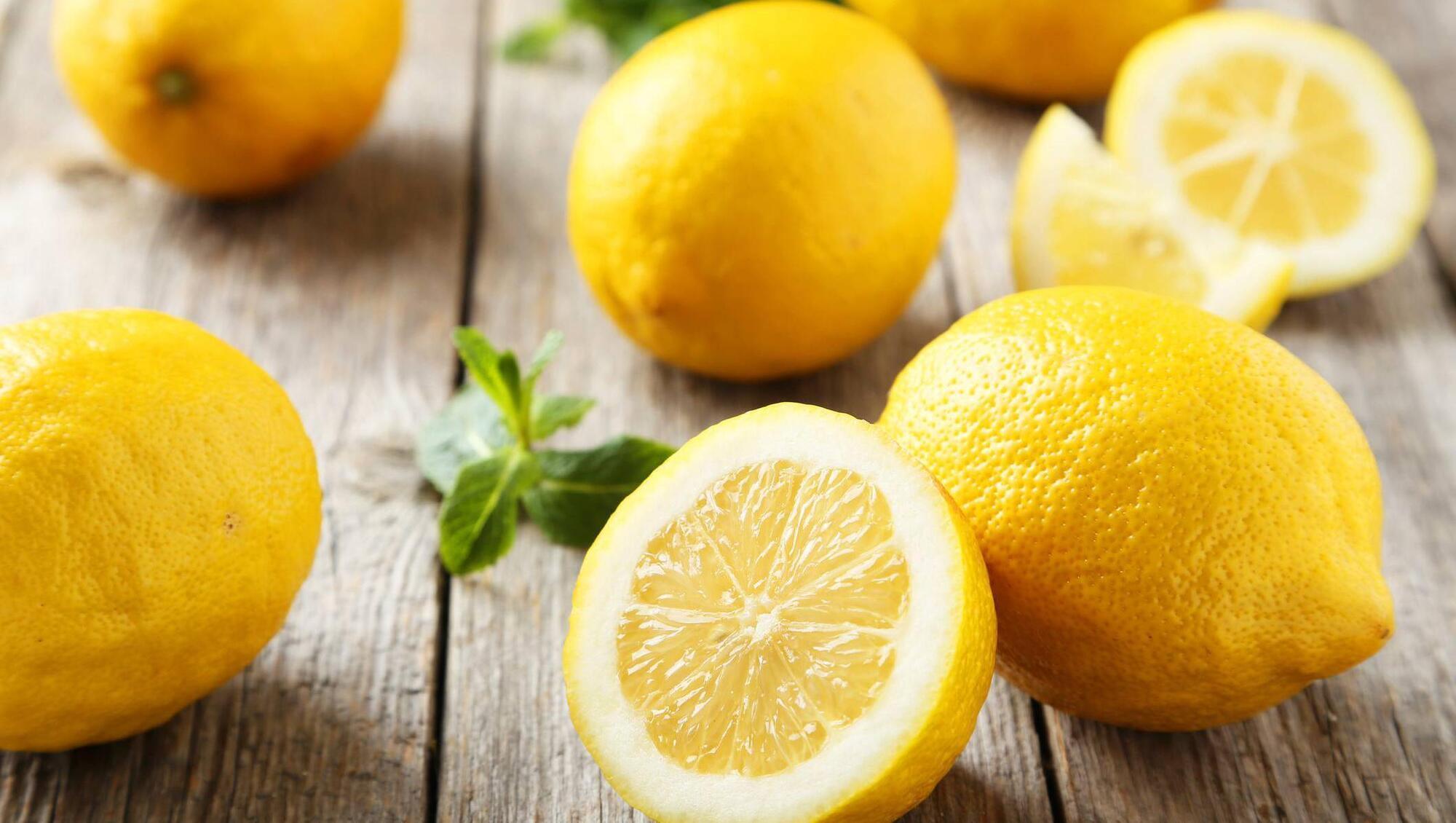
Citrus fresh: Zest up your life with zingy seasonal fruits
Pic: iStock
Nowadays, they would also say limes, grapefruit, clementines, and satsumas.
In the darkest depths of winter, they might even add bitter Seville oranges for marmalade and blood oranges, citrus fruits we see as a seasonal treat. Otherwise, supermarkets have convinced us that most citrus are available year-round.
It wasn’t always so in Ireland; my mother vividly remembers the treat of an orange in her Christmas stocking — something that continues in our house to this very day.
As well as being an expensive luxury, oranges — with their high vitamin C content — were given to those who were ill.
The health-giving properties of citrus had been noted as far back as 1497 when sailors on Vasco da Gama’s sea expedition from Portugal to India were cured of the vitamin C deficiency disease scurvy by their consumption of oranges.
Vitamin C was discovered in the early 1900s, partially because of experiments with orange and lemon juice.
In 1946, a recipe for ‘lemon drink’ appeared in the invalid cookery chapter of All in the Cooking, a popular home economics school textbook that subsequently became the main cookbook in many Irish kitchens.
While the link between citrus and health was well established, the fruit wasn’t always accessible.
My aunt was sick as a small child in the late 1940s, and the GP instructed her parents to feed her oranges, a fruit almost impossible to source in a country still recovering from the impact that World War II — the Emergency — had on imports.
The only place to find these precious fruits was on the black market. Family lore doesn’t clarify if — or how — the oranges were acquired.
Oranges and other citrus may yet return to being a scarce commodity. Recent torrential rain in Valencia caused catastrophic flooding, killing more than 200 people and submerging cities, towns and villages in central-eastern Spain.
The region of Valencia — home of the Valencia orange — was hardest hit, along with nearby Almería and Andalusia where farmlands were flooded and homes destroyed, along with infrastructure like roads and railways.
While the cost cannot yet be counted, this unprecedented weather event is ringing alarm bells for food — particularly citrus — supplies throughout Europe and Ireland.
Spain is the world’s top exporter of oranges. In 2023, Ireland spent over €65m importing food products from Spain last year and topping that list was citrus fruit — we imported almost €25m of oranges and other citrus.
Irish food writers have long appreciated citrus in whatever form they could access it, from oranges and lemons appearing in early handwritten recipe books from the big houses of the 18th century, Monica Sheridan’s self-saucing lemon pudding (Monica’s Kitchen in 1963), Theodora Fitzgibbon’s avowed love for marmalade in recipes from the 1970s and onward to today’s liberal use of citrus as seasoning.
It has a health benefit, too: the vitamin C in citrus juice and zest assists in iron absorption.
Folklore gathered by school students of the 1930s in the Dúchas Schools’ Collection refers to lemon syrup as a remedy for colds and, for a cough, recommends mixing boiled flaxseed and lemon juice.
While we might have other ways of dealing with winter lurgies now, a mixture of honey and lemon in hot water, sipped slowly through the steam, is often the first step in dealing with a sore throat or cough.
(Don’t forget to roll the lemons on the worktop before squeezing to get the most juice from the fruit.)
Appreciate your citrus anew this winter, letting the colour, scent and flavour brighten up your kitchen and food while benefiting from a serving of vitamins and minerals at the same time.
In by Graham Herterich (Nine Bean Rows), there is a recipe for pimped-up porridge with benefits: carrot cake porridge served with a dollop of crème fraîche spiked with orange zest. The porridge has lots of flavour, plus the zest contains vitamin C, fibre, and polyphenols. As a way of consuming vegetables and fruit at breakfast time, this is a delicious one-pot warming wonder.
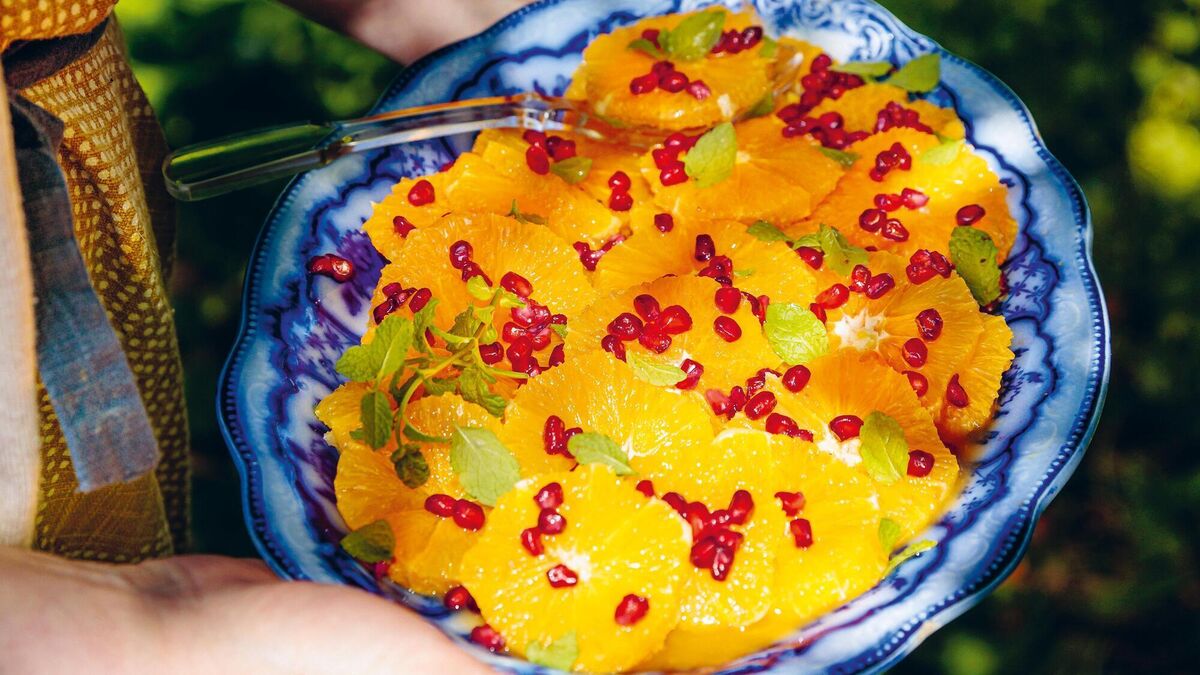
Neven Maguire’s Moroccan orange salad with pomegranate in (Gill Books) makes the most of two in-season winter fruits. Containing antioxidants and fibre, this dish is a brilliant way of lightening up any menu at this time of the year. It is useful as a side salad to cut the richness of pork and as a fruit-based end to the meal.
Café Cecilia may be based in London, but its roots are in Dublin, where Max Rocha, son of fashion designer John Rocha, grew up. His elegant (Phaidon) leans into vitamin C-rich lemons for its drinks section: kombuchas with turmeric and lemon or raspberry and lemon and orange and lemon rooibos iced tea. Vitamins and refreshment in a glass for the dull days of winter.
Chocolate and orange are a classic combination and David and Stephen Flynn bring it to breakfast. Their chocolate and orange pancakes in (Gill) are vegan and use a range of healthy ingredients including wholemeal flour, non-dairy milk and ground flaxseeds (instead of eggs). Add cacao and orange zest to the batter and finish with a squeeze of juice for extra flavour and vitamin C.
Limes are sharp and tart, a delicious reminder of sunshine, and packed with nutrients, especially vitamin C. Sham Hanifa takes Irish mussels—sustainably produced and superb value (€3.99 per kilo at a local supermarket counter)—and cooks them with coconut, lemongrass, lime, and ginger for what he calls an “East-meets-West dish” inspired by his Malaysian roots. The recipe is in (Blasta Books).
Citrus by post: get your in-season organic clementines - and many other products - directly from farmers through the Crowdfarming website, www.crowdfarming.com
Neven Maguire's Moroccan orange salad with pomegranate
Use the nicest, sweetest oranges you can find for this dessert. The first harvest of oranges comes into our supermarkets at the beginning of the winter season, or wait till early spring and take it to another level by using blood oranges.
Servings
4Course
StarterIngredients
6 large oranges
seeds and juice of 1 large pomegranate
2 tbsp extra virgin olive oil
6 tbsp freshly squeezed orange juice
handful fresh mint leaves
salt and freshly ground black pepper
Method
To get lovely slices of orange without any bitter pith, take a slice off the bottom and top of each orange, then carefully cut away the skin and pith following the curve of the fruit until you have removed all the peel and pith. Cut the peeled oranges into slices. Reserve any juice for the dressing.
Arrange the orange slices on a large plate and sprinkle with the pomegranate seeds. Whisk together the olive oil and orange juice along with any pomegranate juice, then season lightly to taste. Drizzle the dressing over the salad, then roughly tear the mint leaves and scatter on top to serve.