Building a strong case for bone health

Women are more likely to develop osteoporosis than men. Although bone loss typically begins years before menopause, it's possible to strengthen your bones at any age
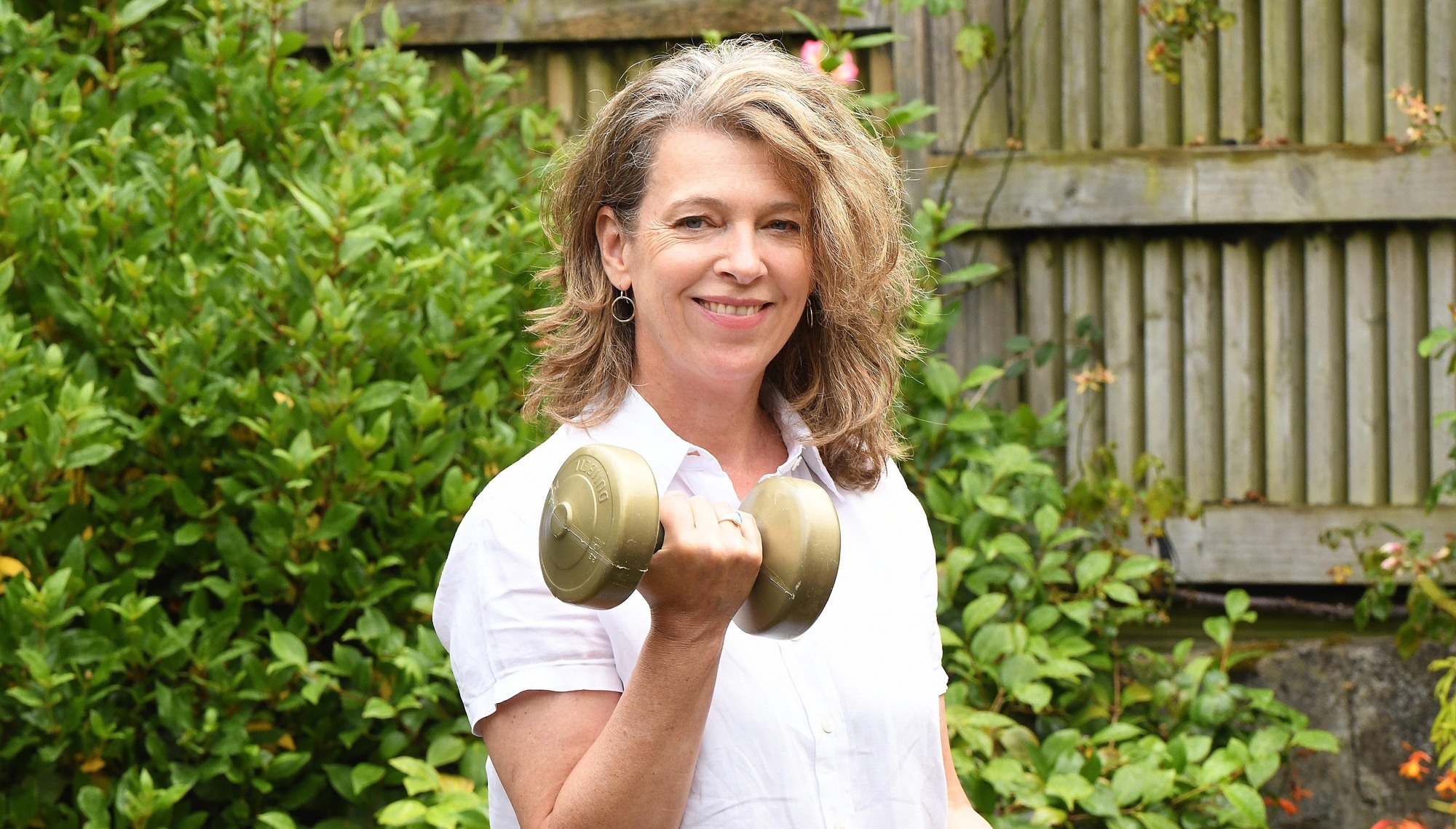
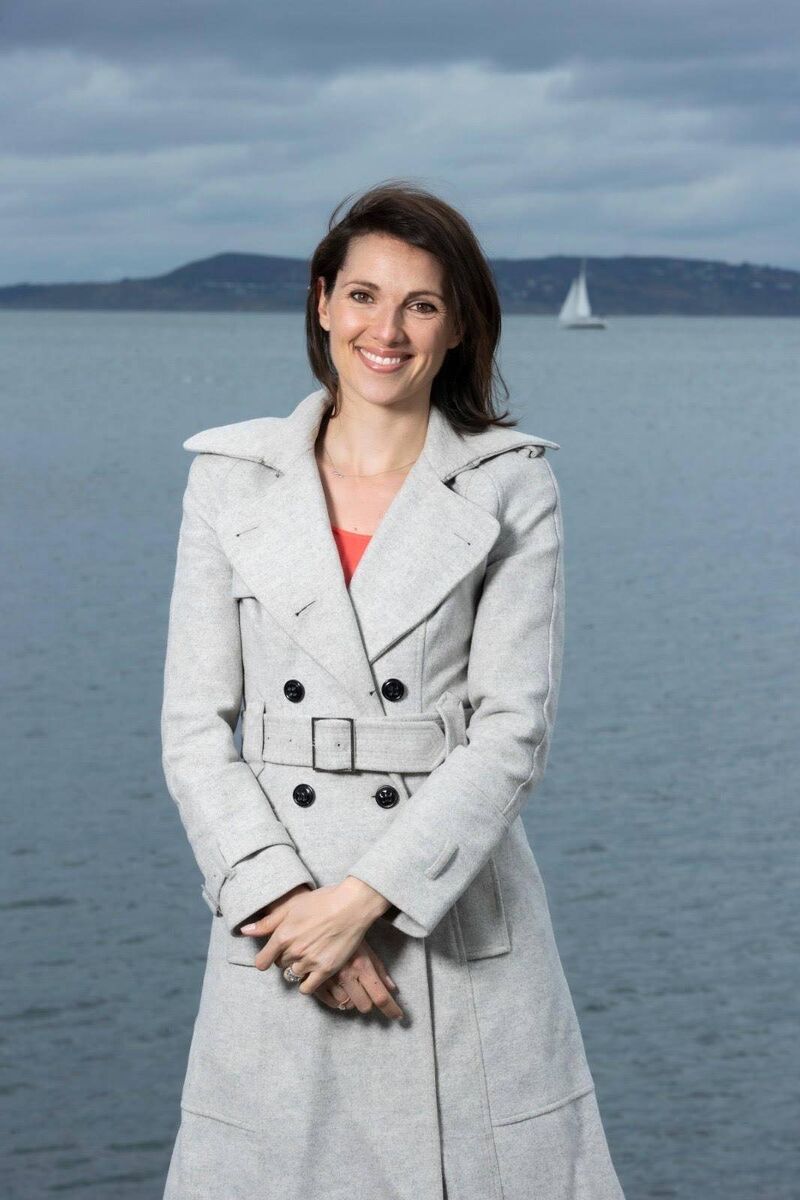
 Annette Cashell has osteopenia and is taking steps to improve her bone health. Picture: Moya Nolan

Annette Cashell has osteopenia and is taking steps to improve her bone health. Picture: Moya Nolan

Annette Cashell from Malahide was shocked when she received a diagnosis of osteopenia — the early stage of osteoporosis — aged 47.

Attending a course on bone health had piqued her curiosity and prompted her to book a DXA scan, an X-ray that shows bone density. She was convinced she would “ace it” because she had none of the risk factors for osteoporosis, a condition in which bones lose density, becoming weaker, and more prone to breakage.

“I’d never smoked, dieted, or been underweight,” she says. “I had no family history. I exercised regularly. I was stunned by my diagnosis.”

Determined to find out why she had developed the condition, she eventually concluded that she had been “an active couch potato” — someone who led a sedentary life outside of the hours she spent in the gym. So she started building more movement into her life.

She now gets up from her desk to walk around for a few minutes every hour, takes the stairs instead of the lift, and does heel drops when waiting for the kettle to boil.

“This is where I stand on tiptoes and let my heels drop back onto the ground,” she says. “It’s just one way of moving more and protecting my bone health.”

Improved DXA scores show that her efforts are paying off. In her work as a holistic movement coach (www.annettecashell.com), Cashell now spreads the following message: Bone loss begins in midlife, but we can counter it.

According to the Irish Osteoporosis Society, at least 300,000 people in Ireland have osteoporosis and 50% of women and 25% of men over 50 will break a bone as a result.

A 2023 study led by the University of Galway estimated that another 1.2m people over the age of 50 in Ireland had osteopenia.

The difference between osteopenia and osteoporosis is largely a matter of degree. “The DXA reading — which is called a T-score — goes from mild osteopenia to severe osteoporosis, says Prof Frances Dockery, a consultant geriatrician at Dublin’s Beaumont Hospital.

“If you’re on the mild end, it’s a warning that you’re at risk of developing osteoporosis, unless preventative measures are put in place.”

Undergoing a scan is the primary way of diagnosing the condition. Dockery says: “Osteoporosis is known as a silent disease because there are no symptoms until a person breaks a bone”.

Waiting for a bone to break before you prioritise bone health is a mistake. Dockery says it can take up to 12 weeks for a bone to repair itself and surgery may be needed.

“All of this can take a toll, particularly on older people. Some never recover their baseline independence and function.”

Hip fractures can be particularly serious. An Irish study published in 2023 showed one in five people died in the year following a hip fracture.
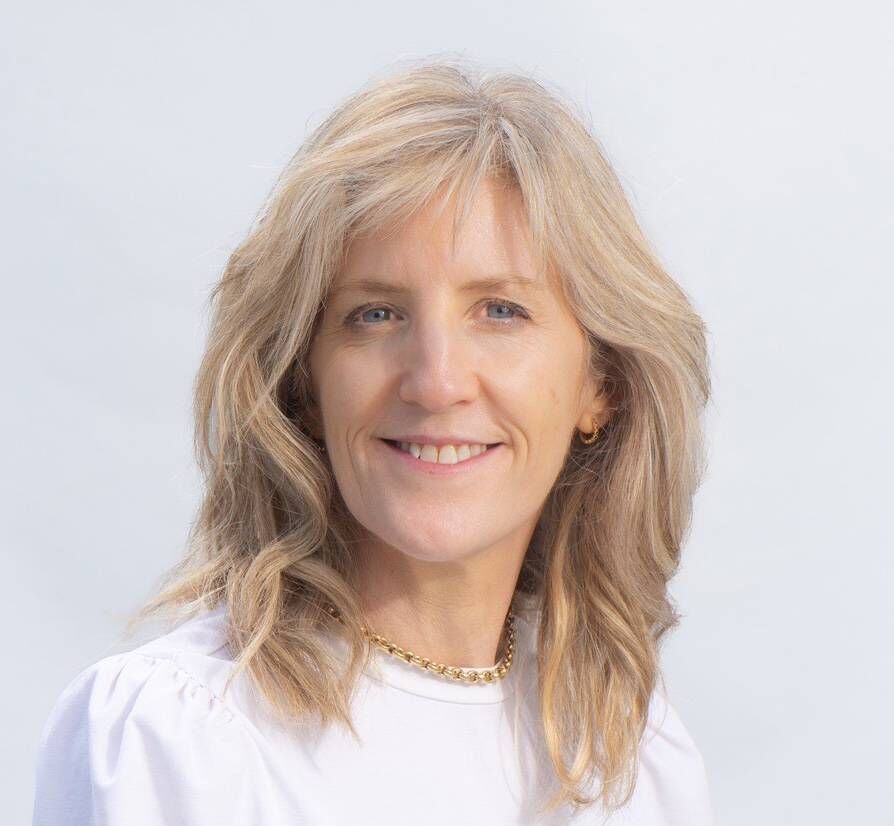
Cork-based physiotherapist Sinéad Curran outlines why our bones weaken as we age.

Physiotherapist Sinéad Curran

“Bone is a living tissue that is constantly changing and remodelling, like fingernails and hair,” she says. “Throughout our lives, our bones are being broken down and rebuilt. The trouble is that as we age, the pace at which they break down exceeds the pace at which they build. The older we get, the more bones deplete.”

Not just the elderly

It’s not just elderly people who should be concerned about bone health, though. Curran warns that bone density peaks in our 20s, levels off in our 30s and starts to decline by our 40s.

Women’s bone health is more complex. Their bone density tends to be lower than men’s to begin with and, as GP and women’s health specialist Dr Caoimhe Hartley explains, the hormonal changes of menopause further complicate matters.

GP and women’s health specialist Dr Caoimhe Hartley

“Oestrogen influences the balance of cells that break down and build bone,” she says. “From late perimenopause onwards, we see more bone loss as oestrogen declines, with women losing an average of 2% of their bone density every year in the first five years after their last period.”

She points out that women who experience menopause before the age of 45 have a higher osteoporosis risk and that medical issues such as steroid use or having coeliac disease, thyroid disease, or diabetes, increase their risk too.

What can we do to reduce that risk?

Hormone replacement therapy (HRT) can benefit some women, according to Hartley. “Replacing oestrogen can help prevent bone loss and reduce fracture risk but there’s no general rule,” she says. “The decision to take HRT depends on each woman’s individual circumstances.”

A general rule that applies to everyone is to watch what you eat. Registered dietitian Aveen Bannon of the Dublin Nutrition Centre stresses that early nutrition is particularly important.

Aveen Bannon of the Dublin Nutrition Centre

“I use the analogy of a savings account,” she says. “In childhood and adolescence, we make nutritional deposits and build up our ‘bone bank’. Ensuring children and teenagers get enough nutrients during this time is vital. As we get older, we start making more withdrawals than deposits, but a healthy diet and lifestyle will help us hold onto as much bone as possible.”

Calcium is a vital nutrient, and adults need 1,000mg of it every day. Bannon advises eating three servings daily and lists the best sources as milk, yoghurt, cheese, calcium-fortified plant-based drinks, tinned fish like sardines and salmon, calcium-set tofu and green vegetables such as kale and broccoli.

Vitamin D is required to absorb calcium efficiently. “The main natural sources are sunshine, oily fish, eggs, and fortified milks and breakfast cereals,” says Bannon. “But between October and March, the sun isn’t strong enough to produce adequate vitamin D, so supplementation is recommended during those months. Older adults should take supplements all year round.”

Bannon urges us not to forget protein because “bone contains a protein framework that gives it strength and flexibility. Protein helps maintain bone. It also helps maintain muscle, which supports bones and reduces the risk of falls.”

Good sources of protein include fish, lean meat and poultry, eggs, dairy foods, beans, lentils and chickpeas, tofu, and nuts and seeds.

“Spread these across breakfast, lunch and dinner rather than saving your protein for the evening meal,” says Bannon. “And eat a Mediterranean-style diet rich in vegetables, fruit, wholegrains, nuts and seeds to ensure you get the magnesium, potassium, vitamin K and phosphorus that also support bone health.”

Resistance training

Curran stresses the need for the right kind of exercise. “Walking and running are good for overall health but they aren’t enough to maintain strong bones,” she says. “Weight-bearing exercise, resistance training using resistance bands or weights and impact loading where you skip, jump or hop are what stimulate the biochemistry involved in building bones.”

The physical games and team sports that many of us play as children usually mean we get enough of this type of exercise in early life. It’s when we start work that we can run into trouble.

“Working from home means lots of us aren’t even getting our steps in, let alone weight-bearing or resistance exercise,” says Curran. “But there are ways of bringing this kind of exercise into our daily lives and weekly routines. Pilates, yoga, weight lifting in the gym or the likes of skipping, wall or desk push-ups or slow sit-to-stand exercises from your chair all work well.”

She also recommends balance exercises, so that you’re less likely to slip, trip or fall.

“Our sense of balance can deteriorate from a young age, so my advice is to work on it regularly. Practice standing on one leg for a minute or try tai chi, which is great for balance. The HSE website has good exercises too.”

When Bannon works with clients with osteopenia or osteoporosis, she makes sure they are getting enough calcium, vitamin D, and protein. “Calcium in particular helps prescribed medications work as effectively as possible,” she says.

She also recommends they limit their alcohol intake and stop smoking, as both have been shown to negatively impact bones.

Cashell suggests getting professional advice on what stretches and exercises are safe. “But even a small amount of exercise can slow the rate of bone loss. There are some great videos on how to get started on the Royal Osteoporosis Society’s website, see ros.org.uk.”

A DXA scan at age 47 alerted Cashell to her thinning bones. But it’s standard practice in Ireland for women to have DXA scans only when they turn 65.

If you would like to have one sooner, Dockery advises discussing it with your GP.

“Ask them to review your fracture risk,” she says. “If you’re over 40 and have already broken a bone easily or are taking medications like steroids, have a medical condition like coeliac disease, have a family history or are worried because of certain lifestyle factors, they may book a scan.”

Cashell now considers herself lucky because “doing my DXA scan when I did alerted me to the problem in time for me to do something about it”.

As Bannon says: “The lifestyle choices we make in our 30s, 40s, 50s and beyond — including what we eat and how active we are — can make a real difference to bone health. My advice is simple: Don’t wait until you break one to start thinking about your bones. It’s never too early, or too late, to invest in them.”

How to keep your bones strong as you age:

1. Include weight-bearing exercise, impact loading exercise and resistance training in your exercise regimen. Examples include Pilates, yoga, using resistance bands and weights, skipping, jumping, push-ups, squats, and lunges.

2. Start small and build slowly. “You don’t want to injure yourself,” says Curran. “Start with an exercise that feels like a challenge you can just about achieve and build from there.”

3. The advice is the same for everyone, regardless of age or how fragile their bones are. “It doesn’t matter if you’re doing your exercises from a chair,” says Curran. “What makes a difference is doing bone-strengthening exercises, practising them consistently and taking on more challenging exercises as we progress.”

4. Consider seeking professional advice, particularly if you have received a diagnosis of osteopenia or osteoporosis. “There are certain exercises and movements you should avoid, such as those that involve heavy jumping,” says Curran. “A professional will also advise you on technique and progression.”

5. If you find exercise difficult or off-putting, she recommends finding something you like doing. “Exercise isn’t easy for a lot of people, and finding something you like will help you develop a consistent exercise habit. But once you have built that habit, start adding in things you might not enjoy as much. Different exercises support different aspects of strength and fitness.”

6. Marching on the spot is an exercise that can easily be included in our daily regimen. “Aim to march 10 times three times per day,” says Curran. “If possible, build up to a low jump off the ground, and once you become confident with that, try jumping off a step.”

7. Try sit-to-stand exercises from your chair. “Stand up slowly and then slowly sit back down again,” says Curran. “Do this until it starts to feel hard. Take a break and do it again.”

8. Don’t forget balance exercises. “Maintaining our sense of balance as we age is vital,” says Curran. “If we don’t fall, we’re far less likely to break a bone.”

More in this section

Lifestyle

Newsletter

Eat better, live well and stay inspired with the Irish Examiner’s food, health, entertainment, travel and lifestyle coverage. Delivered to your inbox every Friday morning.

Cookie Policy Privacy Policy Brand Safety FAQ Help Contact Us Terms and Conditions

© Examiner Echo Group Limited