Kay O’Sullivan: Diverse silage crops perform well despite prolonged drought
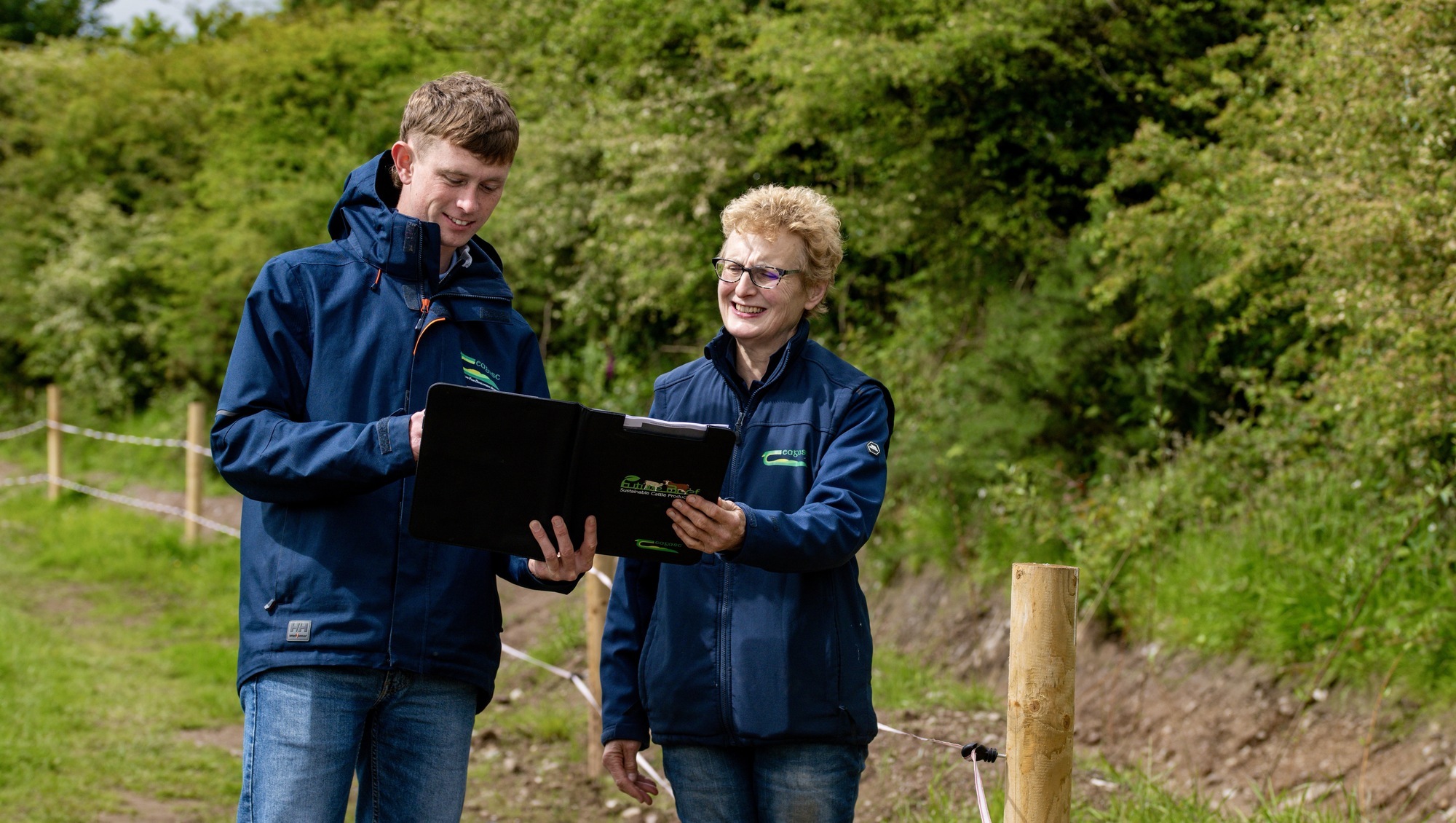
Kay O’Sullivan of Glynn Organic Farm and Conor Sexton of Teagasc beside a newly planted willow ditch on the farm near Mallow. Picture: Chani Anderson
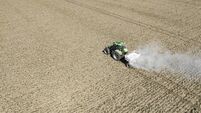
Redstart was sown at the end of July, a few weeks later than normal due to the prolonged drought. I prepared the ground using a false seedbed approach. The field was disked initially and then left for a few weeks to allow weeds to germinate.
I then went in again and disked the emerging weeds before sowing the redstart. This should give the crop a head start over any weeds. I applied 2,500 gallons of cattle slurry after sowing.
We got a good amount of rain over the August bank holiday weekend, which helped the redstart to establish, but unfortunately the remainder of August remained very dry.
As I write this article, the drought has finally come to an end, with plenty of rain falling today. Hopefully, this will get grass growing again and allow us to extend the grazing season.
Silage for 2026 is now wrapped up and I have enough fodder made to see me through the winter and spring. I took a third cut of red clover silage from 15 acres, which averaged eight bales per acre.
I also took the first cut from the new red clover reseed, which was sown in May, and this averaged 10 bales per acre. All of this ground has now received 2,500 gallons of cattle slurry per acre.
In six weeks’ time, the red clover will be mulched back into the ground and FYM applied.
Both the red clover and multi-species silage performed very well. A second cut was also taken from the Egyptian clover, Persian clover and Westerwolds.
The red clover, multi-species, Egyptian clover and grass silage bales will all be tested for preservation quality and nutrient quality towards the end of October. This will give me a better indication of the feeding quality of the different silages going into the winter.
Read More
The finishing cattle are performance-monitored on a regular basis through weighing. Five cattle were selected for sale in mid-August and were sent to Good Herdsmen, the main organic processing unit.
The cattle were between 16 and 17 months of age and graded out very well. They received no concentrate feed and were finished entirely on a grass-based diet.
During the summer, they were grazing multi-species swards, while during the winter they were outwintered on redstart and supplemented with red clover and multi-species silage bales.
Finishing them at such a young age and by these means will help reduce emissions on the farm, but also reduce costs.
The cows and calves were weighed recently, with the calves receiving their first vaccination of Bovipast. A second vaccination will be given in approximately three weeks.
The calves are performing very well again this year. Regular weighing and a good health plan help me keep age at finish low.
Breeding finished at the end of July and the cows will be scanned during the first week of September. So far, I have not picked up any repeats, which is encouraging.
Most of the organic lambs have now been sold, with just seven remaining. These will be sold over the coming weeks. I also sold some organic breeding hoggets privately.
The ewes and lambs will be faecal-sampled in the coming days. If there is a problem, treatment can be administered, but under organic standards there are restrictions on the number of treatments an animal can receive.
An animal retained for breeding can receive two treatments, while an animal destined for the factory can only receive one treatment. Where treatment is required, the withdrawal period for products must also be tripled before the animal can go to the factory.
I will let the ram out with the breeding ewes in early September.
Biodiversity monitoring continues on the farm, with the moth traps put out last weekend. I had a great catch, with 26 different moth species identified in one trap beside a hedge. In total, there were more than 100 moths caught between the two traps.
All of the moths have to be photographed and the records sent to Tim at the National Biodiversity Data Centre.
Being involved in this project is a great way of improving my awareness of what is around me on the farm and I would encourage others to get involved.
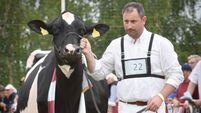
I also attended Tullamore Show this year, where I was stewarding the pedigree Angus section. It was brilliant to see such a high standard of stock on display and a great variety of quality Angus cattle at the show.
The overall female champion and supreme Angus champion was Lisduff Lady Faye, owned by Leo McEnroe from Cavan.
It is good to get away from the farm for the day. It is a great day out and very sociable.
- Kay O’Sullivan is an organic farmer in Mourneabbey and a participant in the Teagasc Signpost Future Beef Programme.