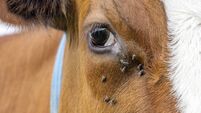
Irish experts react to first human case of Shamonda virus
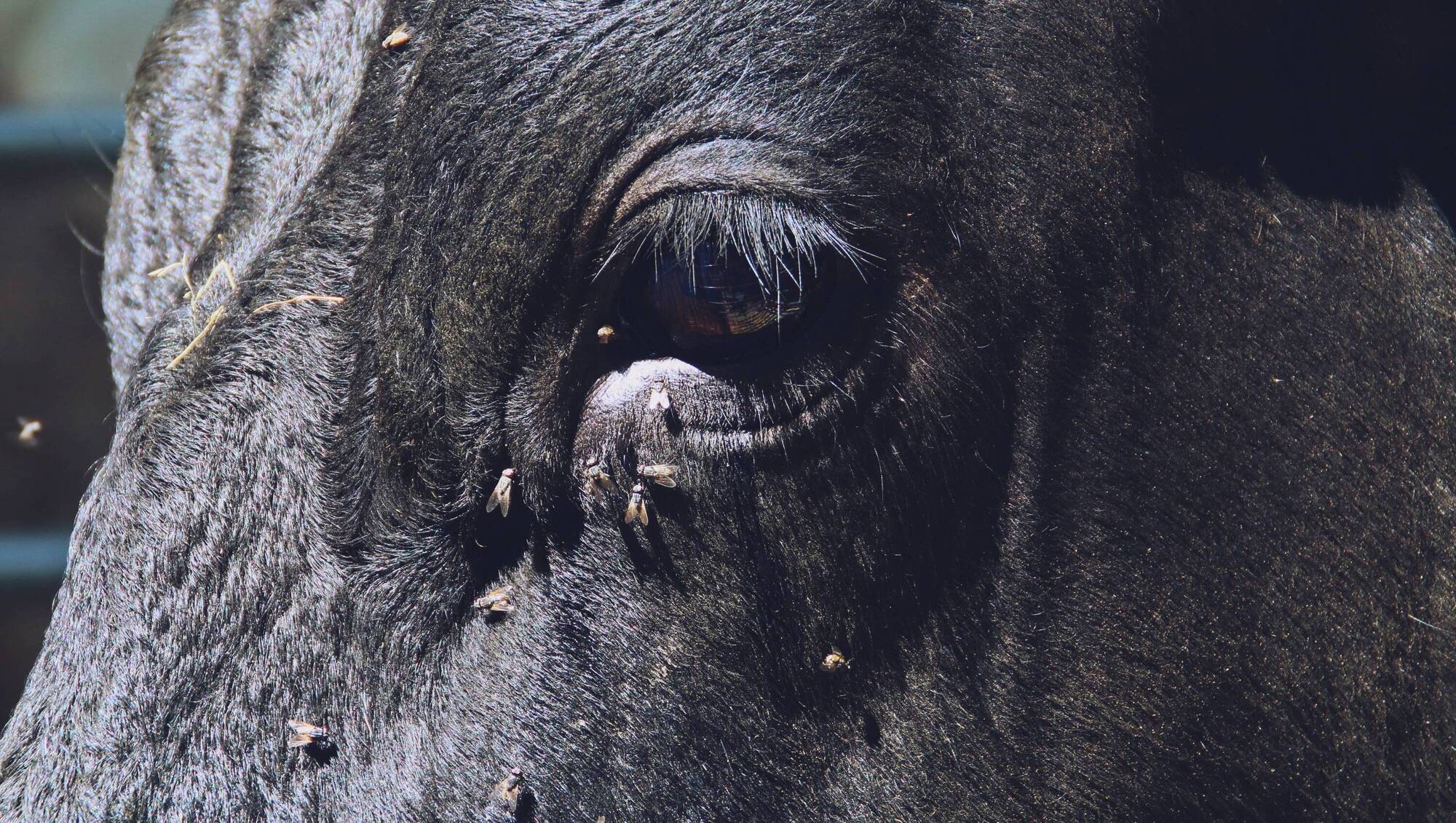
Shamonda Virus is spread by biting midges.
Irish experts react to the news of the death of the first known human case of Shamonda virus and the virus’s presence in farm animals in Ireland.
The death of a severely immunocompromised patient in France who tested positive for Shamonda virus (SHAV), coupled with the detection of the virus in two bovine samples from Co Cork farms, has prompted Irish experts to assess the potential risks to livestock and human health.
Assistant professor of virology and deputy director of the UCD One Health Centre at University College Dublin Dr Gerald Barry said the report of the death in a human patient “as a result of a Shamonda virus infection is a surprising and unusual report”.
Due to the patient being immunocompromised and already very ill, the contraction and subsequent death as a result of the infection “suggests that most of the population are not at risk”.
Read More
“There haven't been any other human cases reported previously with this virus or genetically similar viruses to it. It typically causes disease in cattle and sheep, not humans,” Mr Barry said.
SHAV has been detected in several European countries and has circulated over the past few months. SHAV is not a notifiable disease in Ireland or the EU, resulting in no movement or trade restrictions being applied to countries if SHAV is detected.
The virus is spread by midges and usually affects ruminant animals such as cattle, sheep and goats, but has also been documented to be found in horses. SHAV can cause fever, diarrhoea, and a decrease in milk production in cattle and can cause abortions or foetal malformations.
Mr Barry said: "As a broader point, Europe is currently being bombarded with new viruses, particularly mosquito and/or midge-borne viruses. We are seeing more and more cases in humans and animals from different viruses, and these cases are slowly moving northwards from the Mediterranean basin towards the UK and Ireland.
Dr Connor Bamford, from the School of Biological Sciences and The Institute for Global Food Security at Queen’s University Belfast, said the “recent and rapid spread of the virus” in livestock across Europe had become “increasingly concerning.”
“A human infection in a patient who died is also a serious development, even if the person was immunocompromised. More work must be done to ascertain how exposed humans are to this infection, and any association with illness,” he said.
Although SHAV is associated largely with livestock infection, Mr Bamford cautioned there should be an “increased awareness in individuals like agricultural workers working near affected animals".
There is currently no livestock vaccine or treatment available in Ireland, and farmers are advised to exercise prevention measures and treatments on herds to deter biting midges.