Signpost: Where good data meets good farming
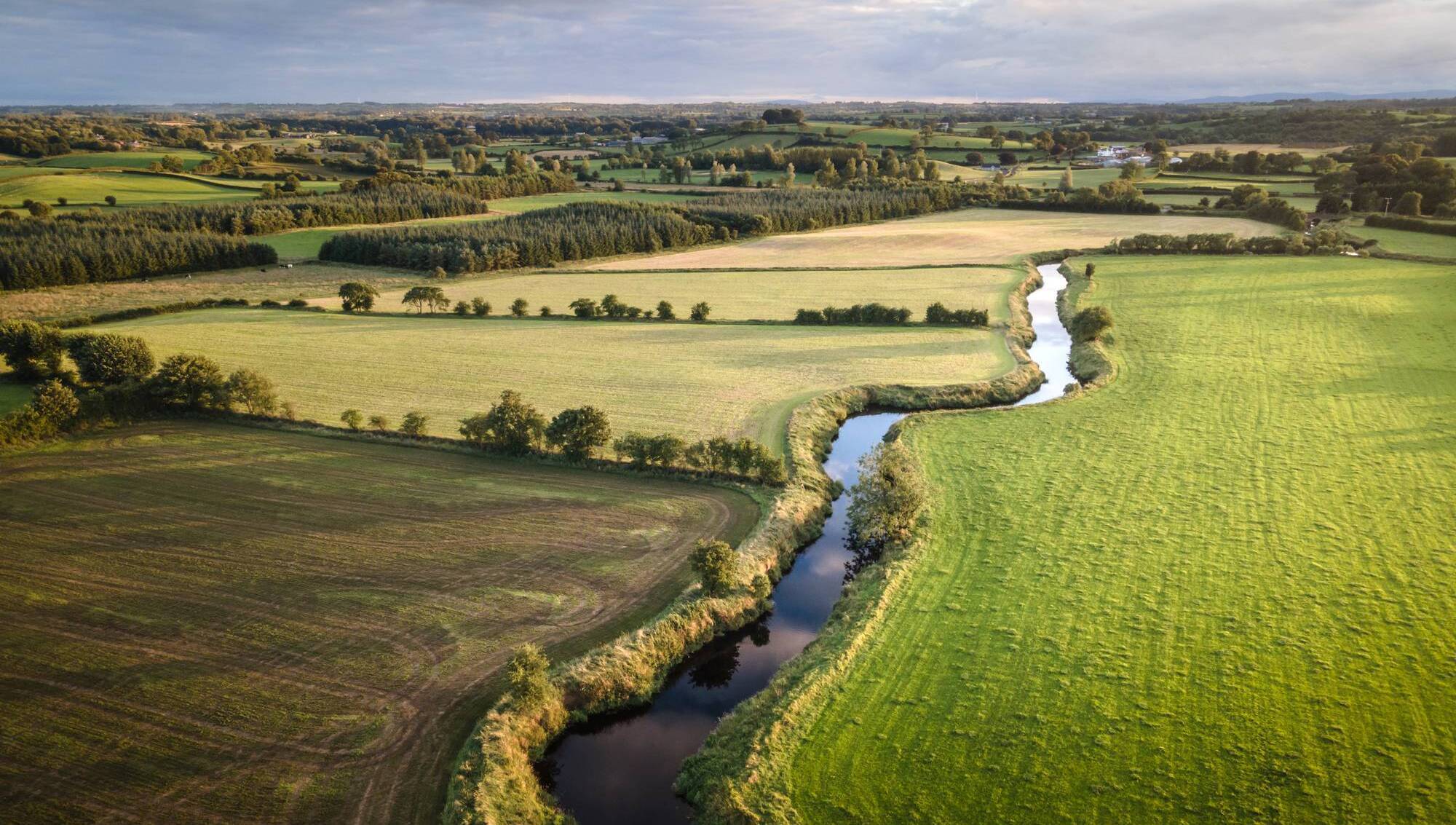
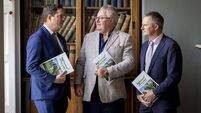
Judges Siobhán Kavanagh and Bernard Hyde said it was encouraging to see how many of the farmers knew the status of their local river and, more importantly, what the vulnerability was on their farm in relation to protecting the watercourse.
Judging for the 2026 Teagasc FBD Environmental Sustainability Awards has taken us to farms across the country, where farmers are producing high-quality food while taking practical steps to protect the environment.
One thing has stood out throughout the process: the best-performing farms are making extensive use of data to guide their decisions.
From HerdPlus and PastureBase to nutrient management plans, AgNav and pollution impact potential maps, farmers now have access to an extraordinary amount of information. However, its value lies not simply in collecting it, but in knowing how to interpret it and use it to improve the farm.
The ICBF reports and ePM (e Profit Monitor) provide the judging panel with an important insight into the productivity, technical efficiency and the profitability of these farms and this sets our baseline for everything else the farmer is doing.
Fundamentally, the awards showcase the activities that can allow farmers to continue to produce high-quality feed profitably while at the same time looking after the environment.
The addition of the Dairy Beef Scorecard for dairy farmers in the last few years has been very useful for us because it gives an insight into what these farmers are doing to improve the genetic quality of the calves they are selling to beef farmers. This helps us understand their commitment to reducing age at finish, one of the most important measures for reducing greenhouse gas emissions.
All farmers had an up-to-date AgNav for their farm this year, which was encouraging. AgNav is a digital sustainability platform that helps Irish farmers measure, understand, and reduce their farm’s environmental impact by tracking emissions and guiding sustainability improvements.
They can also check out the amount of carbon being stored in the soil on their farm, helping to contribute to reducing the farm’s total emissions. And having looked at their current emissions status, they can explore the impact of additional practices on their farm to reduce emissions.
These farmers are accessing their PIP maps (Pollution Impact Potential) and using them to identify the vulnerability on their farm and from this they can figure out the appropriate measures to implement in order to protect the watercourses.
The measures for reducing N losses to waterways are different to reducing P losses, so knowing which is more important on the farm is critical to implementing the right actions.
We are very fortunate to have so much information at our fingertips on Irish farms, compared to many other farmers internationally. But this data can only be a decision support tool for the farm if people know where to access it and then, more importantly, how to use it.
Soil samples taken every year for a scheme/regulation is of no use if it sits in a drawer from one end of the year to the next. Whereas, a farmer who will print off the maps and post them up on a wall where he/she can see them every day of the year to target fertiliser and lime is getting great value from that data.
This data is also critically important when it comes to the national inventory of greenhouse gas emissions for agriculture. The sharing of verified farm data is essential if Irish agriculture is to receive recognition for reducing greenhouse gas emissions.
Actions such as using protected urea, 3-NOP, LESS slurry spreading and reducing finishing age must be measured, reported and verified so they can be included in the EPA's national emissions inventory.
The finalists in this year’s awards programme are making exceptional use of the reports that are available to them, extracting the relevant data and making informed decisions that are helping the productivity of their farms as well as looking after the environment.
They are building relationships with professionals who can support them in interpreting and implementing change in response to what the data is telling them. Are you making the most of the reports that are available to you?
- Siobhán Kavanagh is the communications manager for Teagasc's Signpost Programme, and Bernard Hyde is an EPA researcher. The pair are judges for the Teagasc FBD Environmental Sustainability Awards.