Irish growers hoping for a bigger bite of the apple
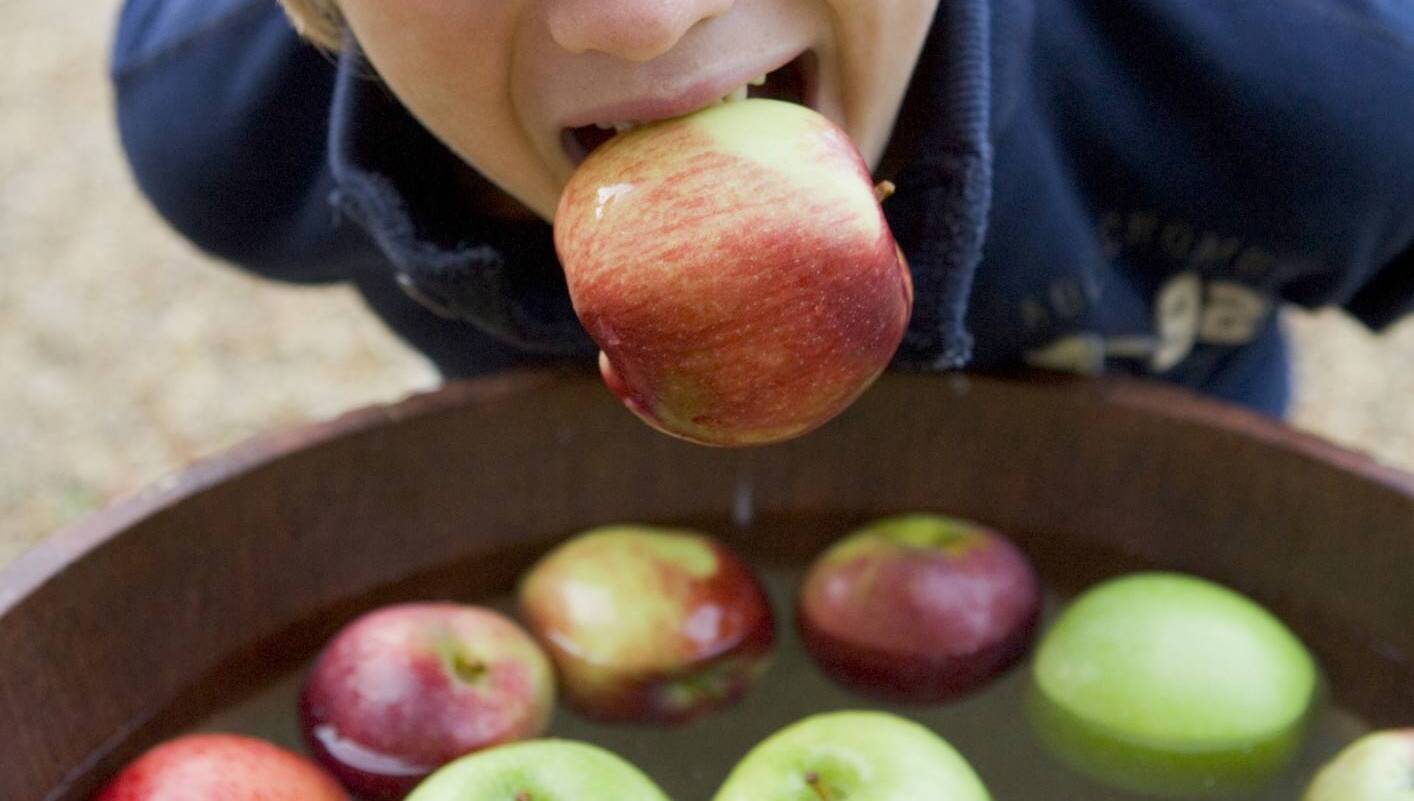
Apples have a long history linked to ancient Celtic and Roman autumn festivals, romantic fortune-telling games and traditional treats.
Apples have a long history linked to ancient Celtic and Roman autumn festivals, romantic fortune-telling games and traditional treats. They featured among the most popular children’s games at annual Halloween gatherings in houses across the country.
Apples were regularly given to colourfully costumed youngsters on their house-to-house visits. They were also dangled from kitchen ceilings on a piece of string during what was known as “Snap Apple Night”.
Children tried to catch one with their teeth while their hands were tied behind their backs to prevent them from cheating. The game was also played with apples floating in a pan of water, with children again trying to bite one without using their hands.
Sometimes, one of the apples contained a hidden coin, which was the prize for the child who successfully snapped it out of the water.
The ancient Celtic festival of Samhain marked the end of the harvest in late October. Apples were naturally abundant and featured in seasonal feasts and offerings. Apples have been grown in Ireland for at least 3,000 years. St Patrick is said to have planted apple trees here, including one close to where Armagh is now situated.
Early monastic records tell us that monks were given apples with their meals, especially at festival times. The ancient Brehon laws stipulated that anyone cutting down an apple tree would face a severe penalty: a fine of five cows.
Read More
Snap Apple and other games created great fun, lots of shouting and wet floors, but much of the tradition seems to have died out over the years. Trick-or-treat customs will still be observed by groups of children in some housing estates, watched by parents and other family members.
Today, there are an estimated 35 full-time commercial apple growers in the Republic, supported by the Irish Apple Growers Association. The number is down from 50 in 2017.
Keelings in St Margaret’s, Co Dublin; McCann Orchards in Tullyallen, Co Louth; The Apple Farm in Cahir, Co Tipperary; Lispopple Apples in Co Dublin; and Suit Valley Orchards in Tipperary are among the country’s producers.
Bramley cooking apples make up about 40% of total domestic production, with the remainder split between dessert varieties and apples for cider processing.
Ideal growing zones span the east coast from Louth to Waterford and inland areas such as Kilkenny and Tipperary. The west coast is heavily restricted by wind and rain, while the midlands face spring frost risks.
Some time ago, Teagasc established a dedicated apple research orchard at Oak Park in Carlow to study modern high-density production systems, disease resistance and new climate-resilient varieties.
Bord Bia also frequently organises national campaigns aimed at supporting growers and reducing the country’s dependence on imports, a move designed to cut carbon emissions and strengthen food security.
The main countries Ireland imports apples from are France, Germany, South Africa, Chile and the UK.
The goal is to foster a stronger domestic market that supports growers, sustains rural employment and encourages new orchard development across the country.
Taste and freshness are the most frequently selected purchase factors for apples, yet both depend on decisions made long before they reach the shops.
A recent RTÉ Brainstorm article by Alberto Ramos Luz and Jean do Prado of Teagasc, and Francesco Noci of Atlantic Technological University, looked at the factors that influence shoppers’ choices.
The researchers painted a picture of a shopper standing in front of an apple display: red, green or striped varieties, one on promotion, another Irish-grown, and a familiar name beside one they have never tried. They wrote:
The researchers asked 898 adults living in Ireland about apple consumption, shopping, valued qualities and responses to different apple images. They stressed that it was not a national opinion poll, so the percentages should not be read as national market shares.
Taste (61.6%) and freshness (60.2%) were the most frequently selected purchase factors.
Grocery stores and supermarkets were the most selected places to buy apples. Yet taste cannot be checked before purchase, and freshness is only partly visible.
Both depend on decisions made long before the apple reaches the shelf, from variety and harvest maturity to storage and handling.
Age was the clearest source of differences. Older respondents generally ate apples more often and placed greater importance on health.
But responses to colour, price, origin and promotions did not form one simple “older consumer” profile.