Signpost: Breeding season at an end and an excellent silage harvest
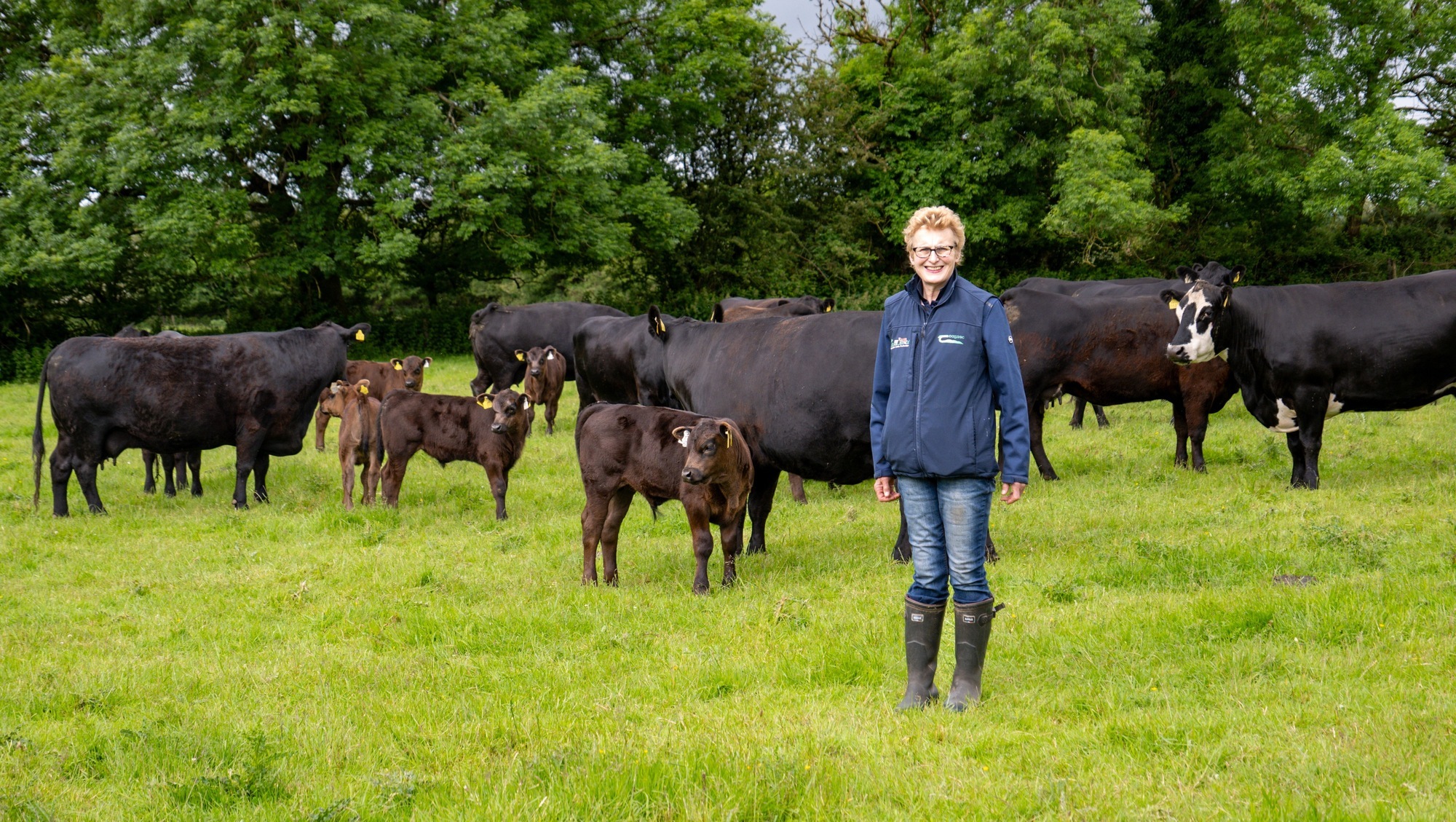
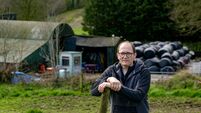
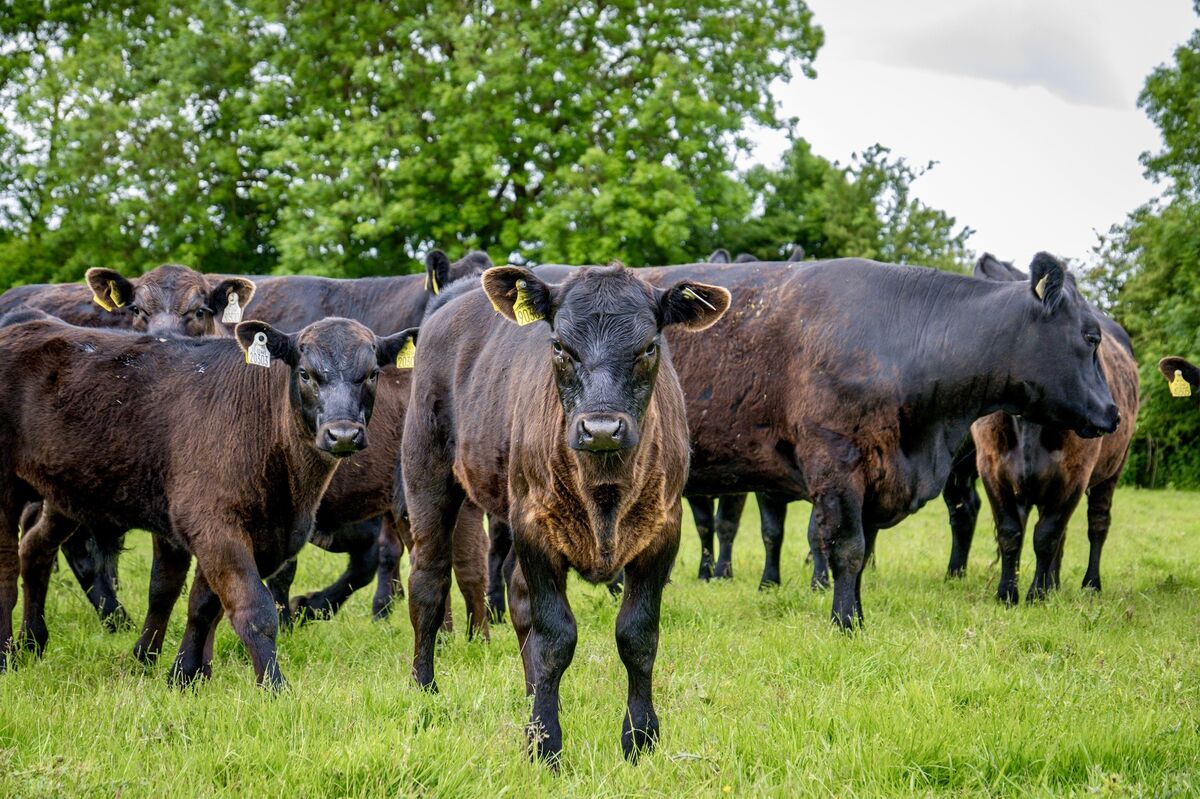
Kay O’Sullivan of Glynn Organic Farm with her herd of cows and calves on her farm near Mallow. Pictures: Chani Anderson
July has been another busy month, with plenty happening both on and off the farm. On July 1, I took part in the Teagasc Beef 2026 Open Day at Teagasc Grange, Co Meath, alongside my fellow Future Beef farmers and Teagasc drystock advisers.
We were involved in the Suckler Village and I was part of the Animal Health stand. It was an excellent event with a huge attendance and many valuable take-home messages.
Breeding for 2026 has now almost come to an end on the farm, with all cows and heifers now served. This year, I have retained seven replacement heifers, selecting those with the highest replacement index.
I also ensure heifers are at least 50% of their dam's body weight before breeding. I have been calving heifers at 24 months of age for many years now and the results speak for themselves. It’s a win-win for me — good from a productivity perspective but also helping reduce greenhouse gas emissions on the farm.
I choose very easy-calving Angus sires on the heifers, and I have never had any issues with calving or getting them back in calf the following year.
The cattle were weighed in early July, and I was very pleased with their performance. They are currently grazing this year's multispecies swards, which were sown in April. They will be weighed again in early September before being sent to Good Herdsmen, our organic beef processor.
Based on their current performance, I expect to finish them again this year at 18 months of age without feeding any meal.
Read More
Second-cut red clover silage was harvested in early July, yielding eight bales per acre. I also removed some surplus paddocks that had become too strong for grazing. Because of the exceptionally high temperatures, I decided not to spread slurry after this cut.
Instead, I plan to apply 3,000 gallons per acre after the next cut, which I hope to take in September. The new red clover reseed, sown in May, has established very well and should be ready for its first cut in September.
I also harvested my Egyptian clover / Persian clover / Westerwolds silage in mid-July. The crop performed exceptionally well, producing about 12 bales per acre. The warm weather has really suited this crop, and I am hopeful of getting a second cut towards the end of August or early September.
A number of additional multispecies paddocks that had gone too strong for grazing were also baled. Overall, I have built up an excellent reserve of high-quality silage for the winter, including a significant quantity of multispecies silage. All silage will be tested in October, with the highest DMD and protein silage reserved for the young stock on the farm.
I have been recording rainfall on the farm for the past three years. May and June 2026 have been the wettest of the past three years, with a combined total of 135mm falling between both months. In complete contrast, July has been the driest, with no rainfall recorded, and there seems to be little rain forecast in the short term.
Despite the dry spell, grass supplies remain in good shape. My latest grass walk showed a farm cover of 892kg DM / LU. The multispecies swards continue to perform well thanks to their deep tap roots, which allow them to keep growing during dry weather. They really are proving their value in these conditions.
Any paddocks that become too strong are taken out for silage. I have found cutting the multispecies slightly higher helps them come back into the rotation quickly.
I received approval from my organic certification body for the derogation required to sow the Redstart. This needs to be in place before the seed arrives on farm. Although the field has already been disked, I have delayed sowing until rain is forecast, as moisture is critical for good crop establishment.
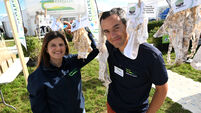
Away from the farm, I was delighted to attend the Farming for Nature Festival in Kilcavan, Stradbally, during June. It was another excellent event with plenty of practical ideas and valuable learning opportunities.
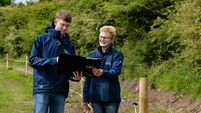
Finally, I was pleased to welcome several local Teagasc advisers to the farm in late June as part of their in-service training programme. It was a very informative session with excellent discussion and knowledge sharing.
- Kay O'Sullivan is an organic farmer in Mourneabbey, Co Cork, and a participant in the Teagasc Signpost Future Beef Programme