Herd Notes: Why autumn is a good time to apply lime
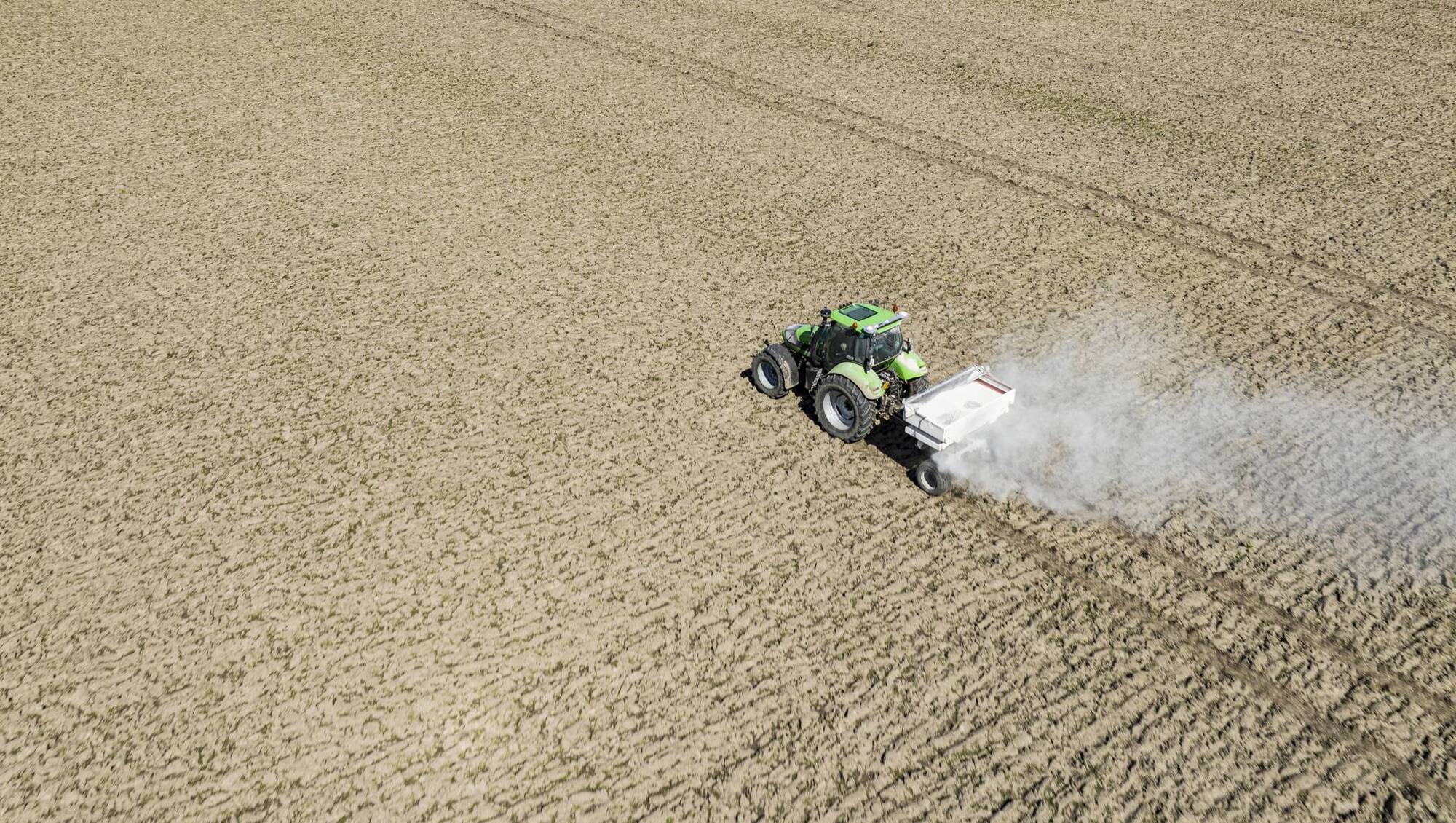
Spreading lime in the autumn will encourage growth in the coming spring by releasing organic nitrogen and phosphorous from the soil, encouraging earthworm and microbial activity, improving drainage, and increasing uptake and utilisation of chemical NPK fertiliser by grass plants and tillage crops, writes farm advisor Brian Reidy.

Autumn is an ideal time to apply ground limestone to Irish grassland because dry, firm soils allow for good machinery traffic, and winter rains help break down the lime to correct soil acidity before spring.
Lime can take four to six months to correct soil pH, so an autumn application can set up grassland for growth next spring. Quarry lime will typically have coarse, medium and fine particles, and these will break down at varied speeds, before being available to adjust the soil pH to the required level.
Spreading lime in the autumn will encourage growth in the coming spring by releasing organic nitrogen and phosphorous from the soil, encouraging earthworm and microbial activity, improving drainage, and increasing uptake and utilisation of chemical NPK fertiliser by grass plants and tillage crops.
Also, spreading lime in the autumn reduces the risk of lime being taken up in silage crops next year. Excess lime in mown grass will inhibit silage preservation, resulting in poor-quality silage.
Lime is the foundation of all soil fertility, grass growth and livestock production. Lime, along with phosphorus (P) and potassium (K), are all essential grassland nutrients which need to be maintained at optimum levels in order for grass and other crops to grow efficiently.
Lime is the cheapest of these vital nutrients, and unfortunately it can often be the most ignored of them also.
A low level of lime on a farm and in individual fields in a recent soil test, left unaddressed, will impact negatively on grass production in the coming years.
Read More
Adequate lime can have a huge effect on animal thrive, resulting in extra liveweight gain and allowing for higher stocking rates.
Lime supplies calcium and in some cases, magnesium which is important for healthy bone development in livestock, for the production of milk and as a help towards reducing the incidence of Grass Tetany.
Aim for a soil pH of 6.3 (or 6.5 if clover is part of the sward).
Lime improves grass sward quality. It is essential to correct soil acidity and facilitate healthy plant growth. Soil acidity is measured on the pH scale of 0 to 14. The optimum pH for good grassland is 6.3 to 6.5.
A survey of Irish soils from four years ago showed that only 18% of soils have optimum pH, P&K. 61% of soils have a soil pH below 6.5; 57% of soils were at P index 1 and 2 and 32% of soils were at K index 1 and 2.
When reseeding grassland, lime increases the availability of nutrients (NPK) to grass seedlings. Any lime recommended on the basis of a soil test should be applied and tilled into the seedbed before sowing commences.
Liming promotes soil micro-organisms and encourages earthworm activity that break down plant and animal residues to release plant nutrients, especially nitrogen.
Liming an acid soil has been shown to significantly improve the release of free nitrogen from the soil each subsequent year for several years. An optimum soil pH can help release up to 80 kg of N per hectare naturally over the year.
Liming improves the availability of phosphorus to plants and aids its release from organic matter. At a time of higher fertiliser prices, keeping soils at the recommended pH is a good investment.
With the application of lime, correcting the pH allows optimum use of other nutrients such as potassium (K).
Return on Investment: Research from Teagasc has shown a return of roughly €6 to €10 in extra grass growth for every €1 spent on lime.
Lime is lost from the soil mainly due to draining off of water.
This loss is approximately 250 to 265kg per hectare/year, depending on rainfall, soil type and the amount of lime in the soil to begin with.
Completing a regular soil test is the first step in correcting any lime deficiency.
A soil test will give the soil fertility status for pH, lime requirement, as well as phosphorus (P) and potassium (K).
There are two key rules for applying lime: Do not apply more than 7.5 tonnes per hectare (three tonnes per acre) in a single application; split larger amounts over time (e.g., 50% now, 50% two years later).
Spread on paddocks with low grass covers (ideally under 500–800 kg DM/ha).
- If you apply lime first, wait three months before applying slurry or urea to prevent nitrogen loss.
- Silage ground: Leave at least three months between liming and cutting silage to avoid preservation issues.
- Grazing: Livestock can return to the paddock seven to 10 days after lime has been washed in by rain.
Ryegrasses and clover perform best at this pH or higher but are replaced by lower productive weed grasses, when the pH drops below 6.0.
60% of soils in the region have a pH less than 6.0. Therefore, keeping grassland close to pH 6.3 is essential to maintain ryegrasses and clover in grassland.
Growing crops and grazing livestock remove lime. An average crop of silage removes 60 to 80kg per hectare per year of limestone.
Nitrogen usage will also increase soil acidity, for example, each one kilo of N applied will require approximately two kilos of lime.