Peter Dowdall: We might not have the budget or space for a show garden, but Bloom winners like this show us what is possible
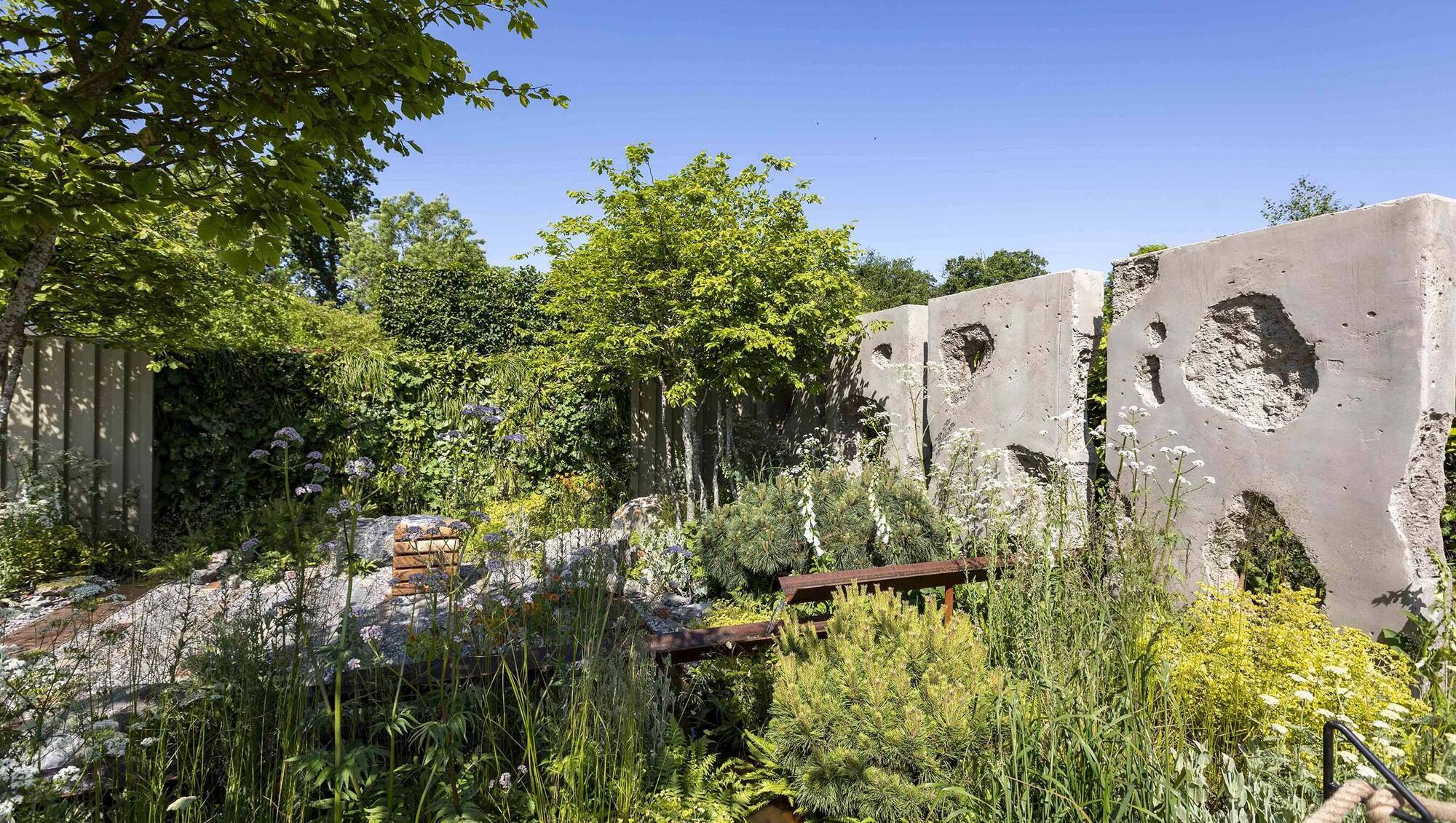
The overall medium garden category award was presented to The ‘Future in Mind’ garden, sponsored by the Mental Health Commission and designed by Joe Eustace.

Gardening festivals like Bloom are filled with opportunities. Opportunities for Bord Bia to showcase the very best of Irish horticulture, food and creativity. Opportunities for designers to demonstrate their skill and imagination. Opportunities for homeowners to gather inspiration and ideas for their own gardens. But perhaps most importantly, opportunities to tell stories through gardens and garden design.
Many of us could only dream of achieving a full show garden standard in our own gardens. We may not have the budget, the space or perhaps even the inclination.
But in much the same way that London or New York Fashion Week showcases the very best of fashion design, the show gardens at Bloom in the Phoenix Park offer glimpses into what garden design can become when imagination, craftsmanship and storytelling come together.
Read More
That is one of the reasons I enjoy Bloom so much every year. Yes, there are plants to admire, trends to spot and practical ideas to bring home, but some of the most memorable gardens are the ones that go beyond simply looking beautiful.
I love the way charities, organisations and public bodies increasingly use gardens and the natural world to communicate their messages.
The Future In Mind garden, created for the Mental Health Commission, is one of those gardens that brilliantly tells a story.
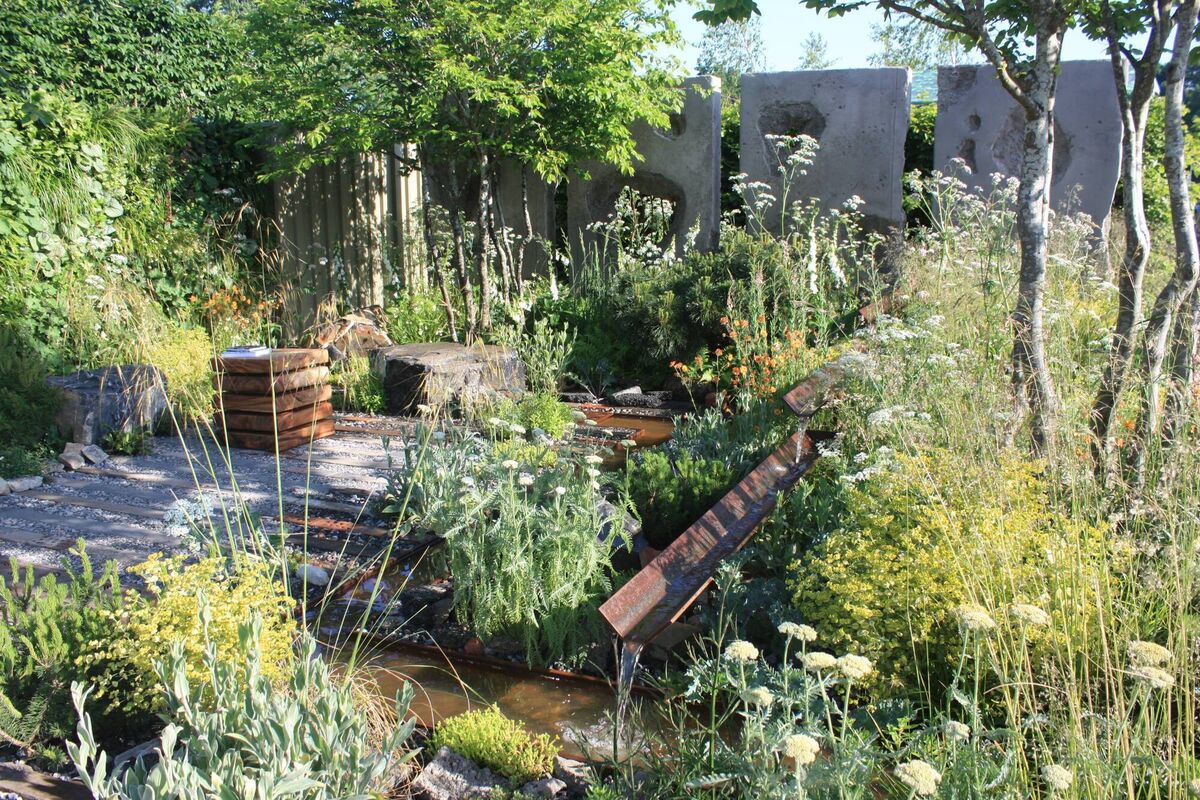
Located in the show garden area, the garden explored Ireland’s journey from institutionalised mental health care towards a more modern, community-based and person-centred system. It also reflected the expanded role the Mental Health Commission will take on under the new Mental Health Act 2026, particularly around the future regulation of community mental health and CAMHS services.
At first glance, mental health legislation and regulation may not sound like the most obvious subject for a show garden, but that was exactly what made this garden so interesting.
It managed to translate something complex and deeply human into a landscape that people could physically move through and emotionally connect with.
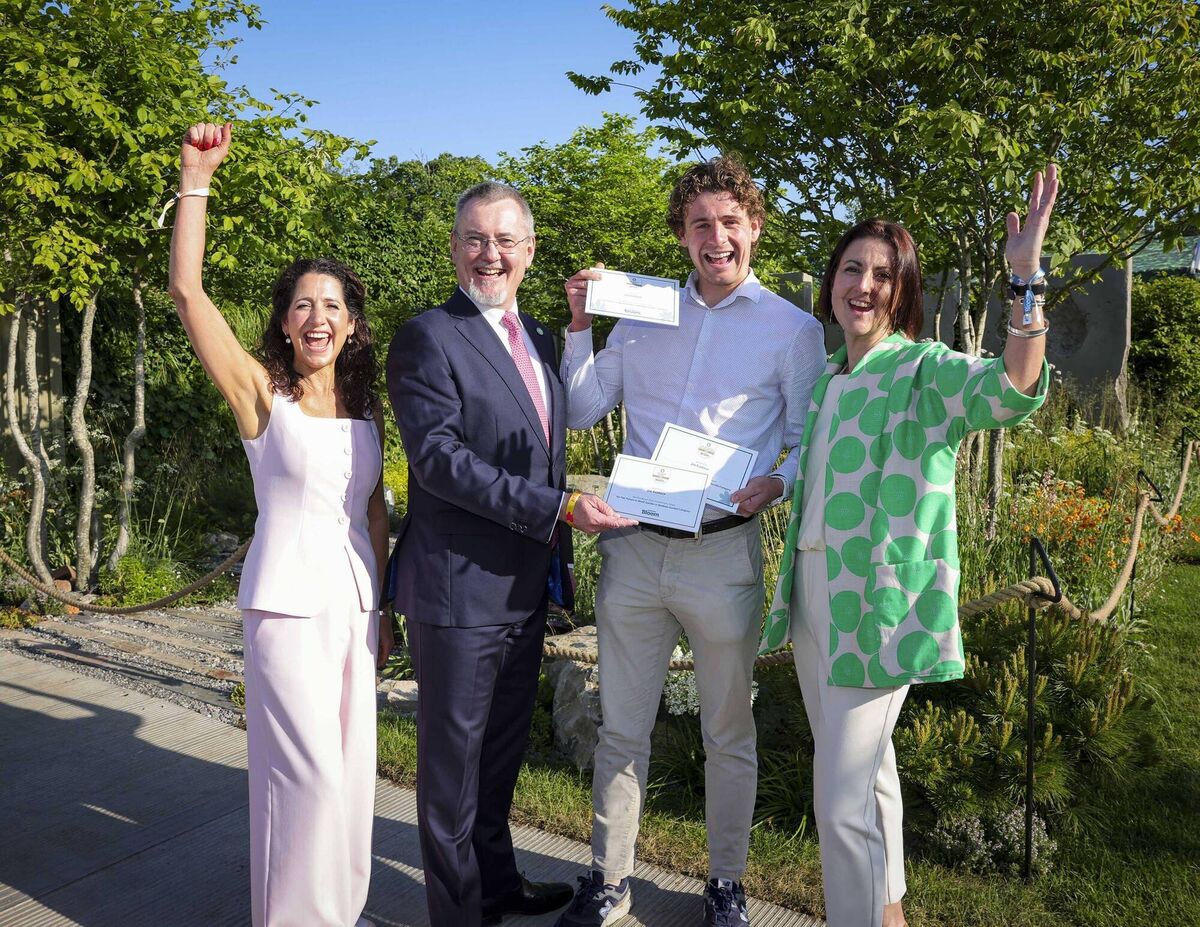
Designed by 24-year-old garden designer Joe Eustace from Newbridge, Co Kildare, the garden deservedly attracted enormous attention over the course of the festival. In fact, of all the show gardens at Bloom this year, I must say the planting in this garden was among the very best on display. It stood out immediately for the quality, balance and accuracy of the planting combinations throughout the space.
The judges recognised that excellence. The Future In Mind garden received a prestigious gold medal, while also securing the overall medium garden category award and a third gold medal for best in show for planting, no small achievement considering the standard of competition at Bloom this year.
Too often at garden shows, concept can overpower planting, or planting can become little more than decoration around an idea; however, this garden managed to achieve both.
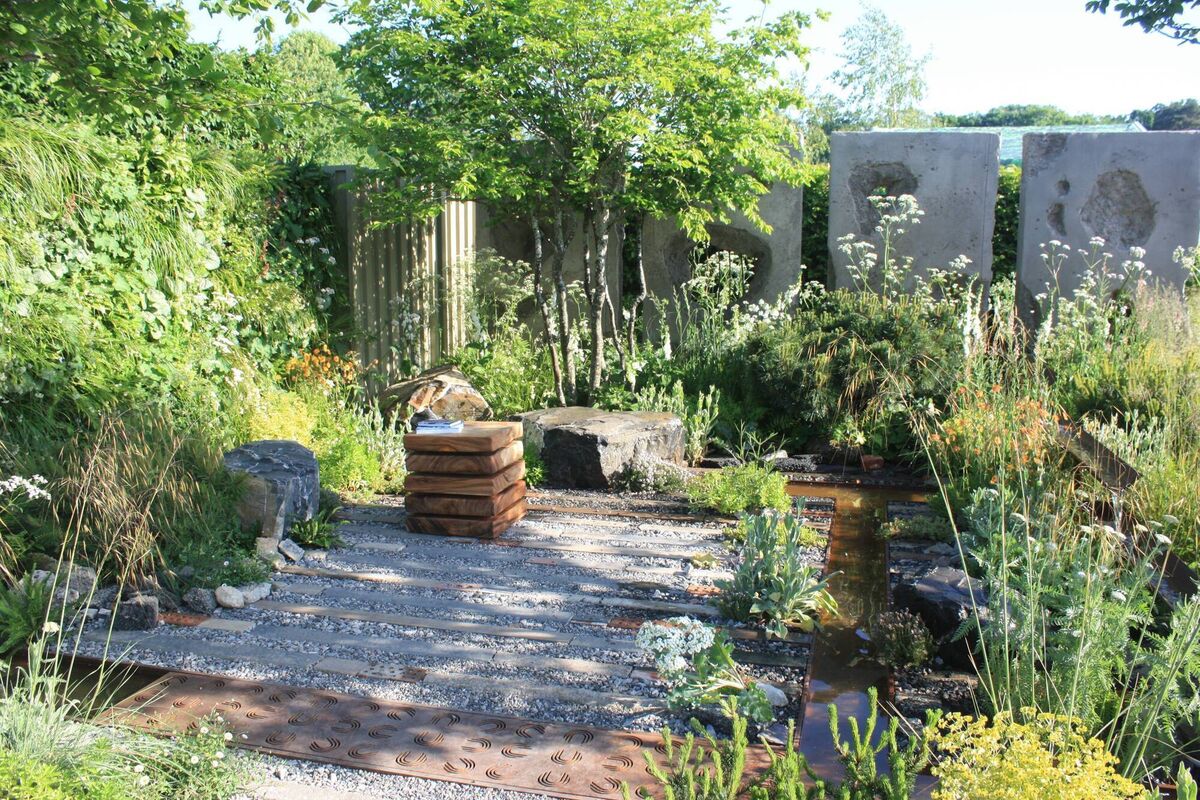
At the rear of the garden stood a stark and sterile concrete wall representing Ireland’s move away from institutionalised asylum-based care. The harshness of the concrete immediately created a sense of separation and isolation. But alongside this was a striking contrast, a corresponding wall richly clad as a living green wall bursting with lush planting and life.
That contrast between the coldness of concrete and the softness and vitality of living planting was incredibly powerful. Without needing explanation, visitors could immediately understand the message of movement away from isolation and towards something more humane, restorative and connected to community.
Running through the garden was a gentle water rill representing a new direction for mental health services, one focused on dignity, accessibility, regulation and community care.
Water always changes the atmosphere of a garden. It slows people down, softens noise and movement, and here it felt symbolic without becoming overly literal.
The use of native Irish planting alongside drought-tolerant species also reflected the increasing need for resilience and sustainability within modern Irish gardens, as in our gardens, we have to think not just about beauty, but about long-term adaptability and ecological value too.
Three multi-stem trees formed part of the design and symbolised the new national standards currently being developed by the Mental Health Commission for community mental health and CAMHS services.
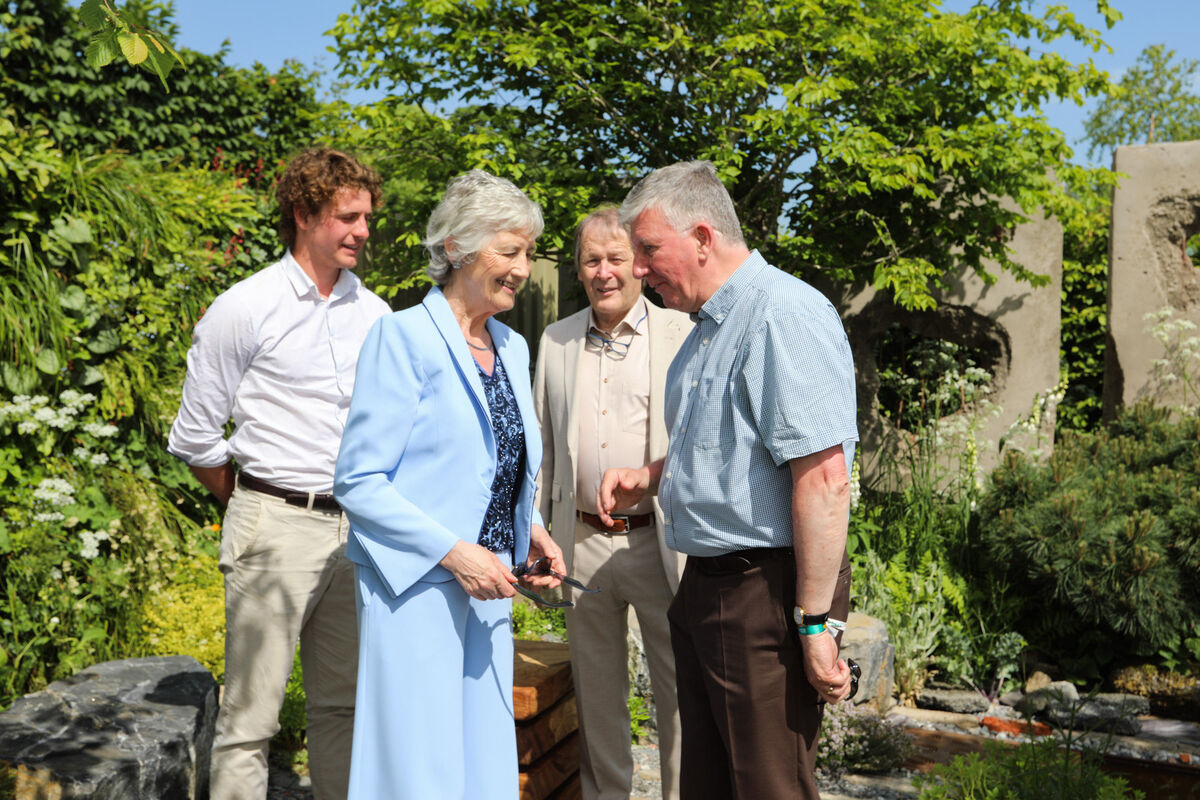
As for the idea behind the project, the chief executive of the Mental Health Commission, John Farrelly, said the garden demonstrates how mental health care is changing for the better as regulation increasingly flows into community-based services: "It reflects our ambition to ensure that people can access safe, high-quality and person-centred care in their own communities."
That sentiment came across very clearly when moving through the garden. It felt open rather than enclosed. Welcoming rather than intimidating.
The Mental Health Commission is marking its 20th anniversary this year alongside Bloom’s own 20th celebrations. Over those two decades, Ireland has changed enormously in how mental health is discussed and understood.
There was a time in this country when mental health services existed largely behind closed doors, physically separated from communities and often accompanied by stigma and silence.
This garden acknowledged that difficult history while also looking towards something more hopeful.
Among all the colour, creativity and spectacle of Bloom 2026, the Future In Mind garden reminded visitors that some of the most powerful gardens are not necessarily the loudest ones.
Sometimes the gardens that stay with us longest are the ones that quietly “work”; they tell important human stories through landscape and planting, along with simply being nice places in which to just be.
- Got a gardening question for Peter Dowdall? Email gardenquestions@examiner.ie
Read More

CONNECT WITH US TODAY



Be the first to know the latest news and updates