We must stand with the Afghan women resisting the Taliban
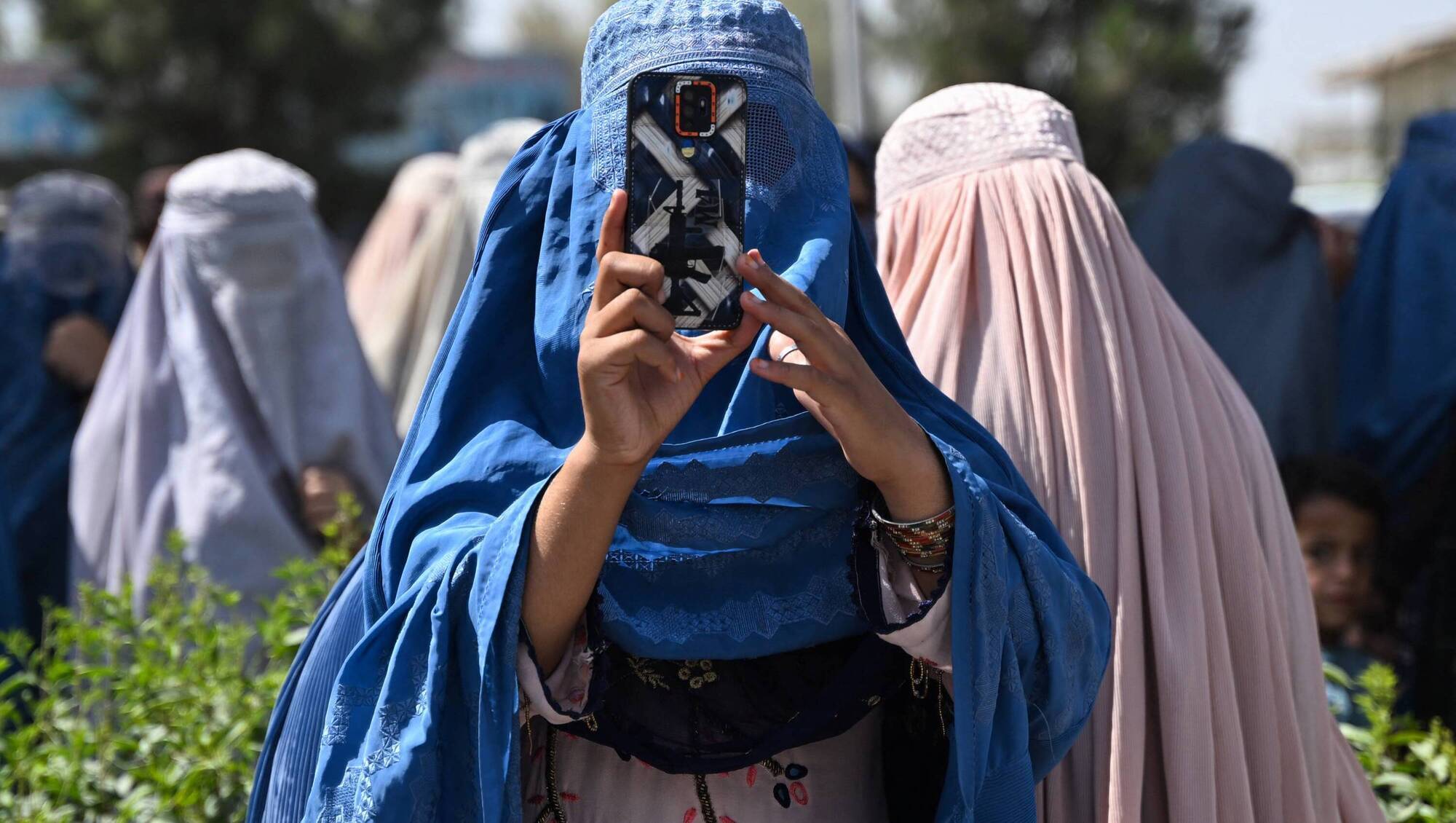
An Afghan woman uses a smartphone to record videos during celebrations to mark the fifth anniversary of the Taliban governments's return to power, in Kandahar on August 15, 2026. Picture: Sanaullah Seiam / AFP via Getty Images
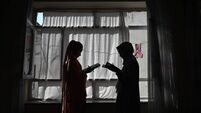
In a dark, airless room in Pakistan, Roshana Dadgar* is starting a new resistance movement. The founder of a secret school for girls was forced into exile four years ago when the Taliban raided her home, but that has not silenced her.
Far from it. Despite the dangers — deportation back to Afghanistan is a daily risk — she is still doing what she can to highlight the brutality of a regime that has effectively erased women from public life.
Or worse, put them in prison for ‘offences’ ranging from the incorrect wearing of the hijab to speaking out against the regime. There is still no news of teacher, writer, and poet Muzhda Uzbek, who was detained a number of weeks ago for her Taliban-critical verse.
Roshana Dadgar was incensed by that, but also very worried because she has interviewed other women who have been subjected to physical and sexual abuse in Taliban prisons.
“My husband also spent about 45 days in a Taliban jail and he told me of his bitter experiences there,” she says. “All these stories occupied my mind, so I decided to start a movement called Women’s Cry for Equality to advocate for Muzhda.”
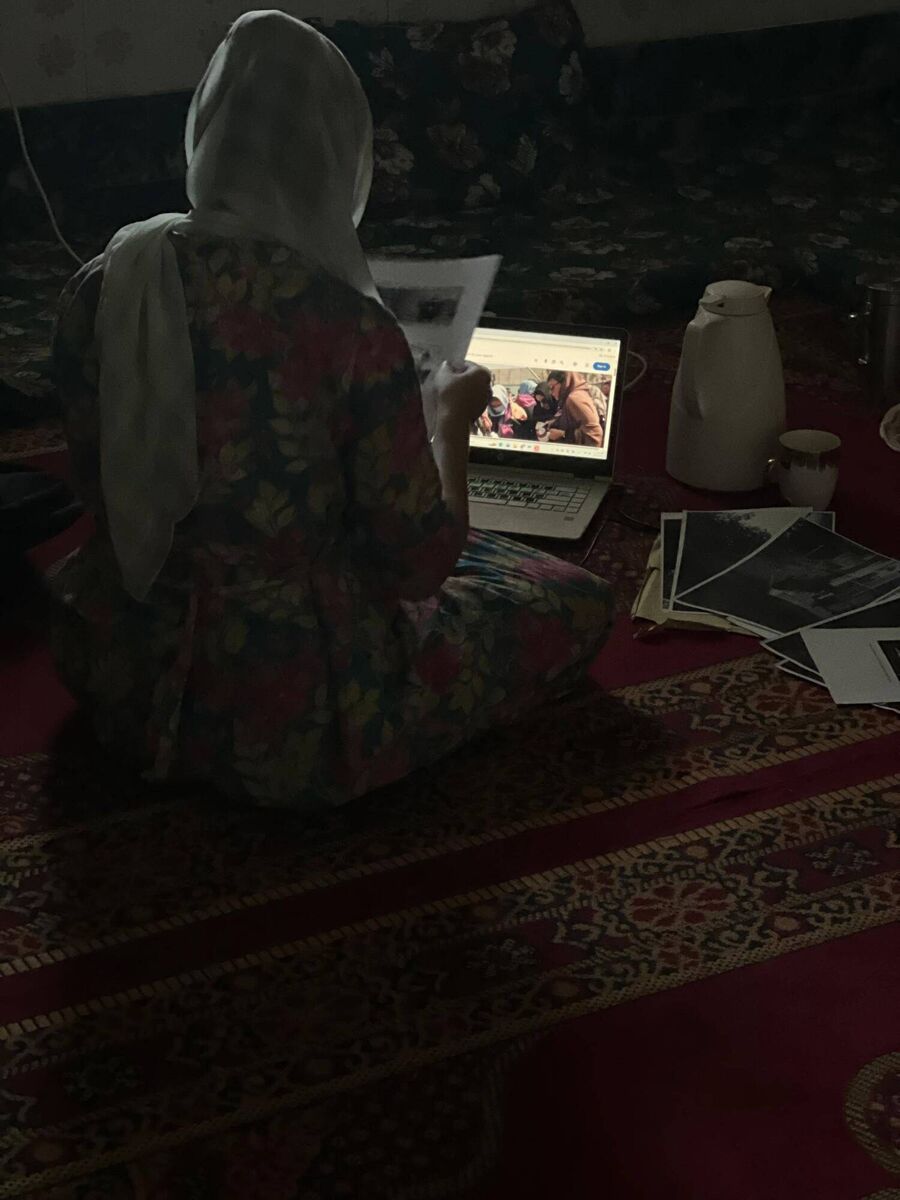
A writer, journalist, and woman’s rights advocate herself, Roshana has been doing all she can to keep the world’s focus on the “war on women in Afghanistan” as it has been described in several publications which keep an unflinching eye on the daily realities of gender apartheid.
Since the Taliban takeover in August 2021, the authorities have issued more than 100 decrees to exclude women and girls from education, public life, justice systems, employment and healthcare.
Child marriage is permitted and violence within a marriage is legal unless it results in severe and visible physical injuries.
Read More
The day-to-day life of all Afghan women has shrunk to the domestic sphere. According to UN Women, the United Nations entity on gender equality, more than half of those women leave their home just twice a month or less, while seven in 10 women describe their mental health as “bad” or “very bad”.
And yet, despite the considerable risks, there is quiet resistance. Roshana Dadgar is still helping her secret school from exile and there are many other clandestine classrooms, some estimate thousands, hidden in private homes or discreet basements teaching girls who are forced to leave school after sixth grade.
There are reports of education apps, radio classrooms and many other ingenious uses of technology to oppose a regime that has implemented laws to strip half the population of their rights.
Although Roshana is no longer living in Afghanistan, she too is confined to her house because Pakistan has not renewed visas for the tens of thousands of Afghans seeking refuge in the country. She does occasionally venture out — on rest days when there are fewer controls — but last Sunday she was on a rickshaw stopped by police.
Her heart stopped, but the police did not ask for papers. It was a narrow escape but one that has made her very reluctant to leave the room which, she says, has been both shelter and prison for nearly a year now.
“I’ve named my room ‘The Four Walls of Exile’. This room protects me, but day by day, within this refuge, it also takes away a part of my energy and youth. Sometimes, I feel like I’ve made a pact with this room: give me shelter, and in return, take my black hair and youthful face.”
Her living space is dark; fresh air barely makes it through the small windows. “Its closets have termites, and once they even ate my favourite book, the novel by Franz Kafka, which I loved.”
And yet, she is still working constantly to try to bring about change for herself and the women of Afghanistan.
Earlier this month, she contacted some of the teachers at her secret school in an attempt to coordinate an advocacy plan for Muzhda, who belongs to the country’s Uzbek minority.
“On October 9, I wrote a statement with calls for justice and sent it to the members of the movement so they could publish it and hold a justice-seeking event,” she says.
But it was far from straightforward. Her sister’s husband prevented her from taking part and said if she had anything to do with the campaign, he would banish her to her father’s house.
“I didn’t want my sister’s life to be in danger, or her two children to face an unknown fate. That’s why I stopped publishing pictures and videos.
Roshana’s own family has been scattered across the world because of the Taliban’s oppressive regime.
“After the Taliban returned to power, six members of my family came to Pakistan, while two of my brothers and two of my sisters stayed in Afghanistan with their children. Two of my sisters — one of whom was forced into marriage by the Taliban and the other beaten by them — went to France about four months ago on a humanitarian visa,” she says.
Her parents and her husband have since been deported back to Afghanistan.
“The other day, my mom sent me a group photo from our childhood and cried, saying, ‘I wish you were still that small and didn’t have to be away from me’. That sentence broke my heart. Every day I feel like migration and separation leave a fresh wound on me; a wound for which I can’t find any remedy.”
She also has a very real fear, given her background as a journalist, women’s rights defender, and founder of a girls school, that she would be at serious risk of persecution by the Taliban if forced to return to Afghanistan.
The fear is sometimes crippling, but it also sharpens her resolve to write for a number of newspapers, exposing the worsening threats faced by women in her native country.
Technology has made it easier to do her work but it has also meant she is a constant witness to the worsening situation at home.
She was particularly rocked by news a fellow founder of a secret girls school in Herat was tortured and, as I write, an Afghanistan International TV report plops into her Facebook feed. The news station, headquartered in London, reported Taliban ‘enforcers of virtue’ had detained at least five women and girls in Herat.
“According to local sources, Taliban officials from the Ministry for the Promotion of Virtue and Prevention of Vice took these women into custody because their attire did not meet the group’s requirements,” the report said.
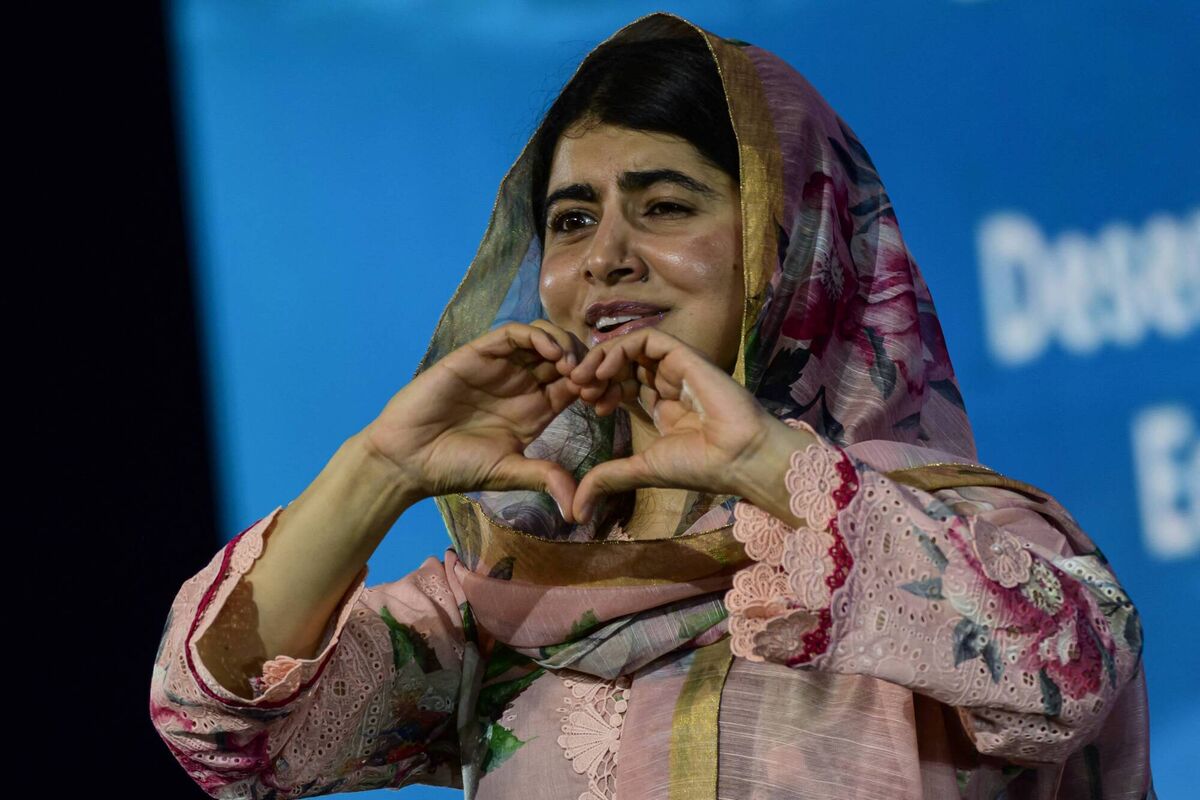
Other more encouraging news reaches her too, such as a video of Ireland's foreign affairs minister Helen McEntee speaking at last month’s UN event on the rights of women and girls in Afghanistan, co-hosted in partnership with the Malala Fund.
Ms McEntee criticised the EU for welcoming a Taliban delegation to Brussels earlier this year, saying it normalised the repressive regime.
She reiterated her condemnation of “Taliban misrule”, and the shocking abuse and restrictions targeting women and girls.
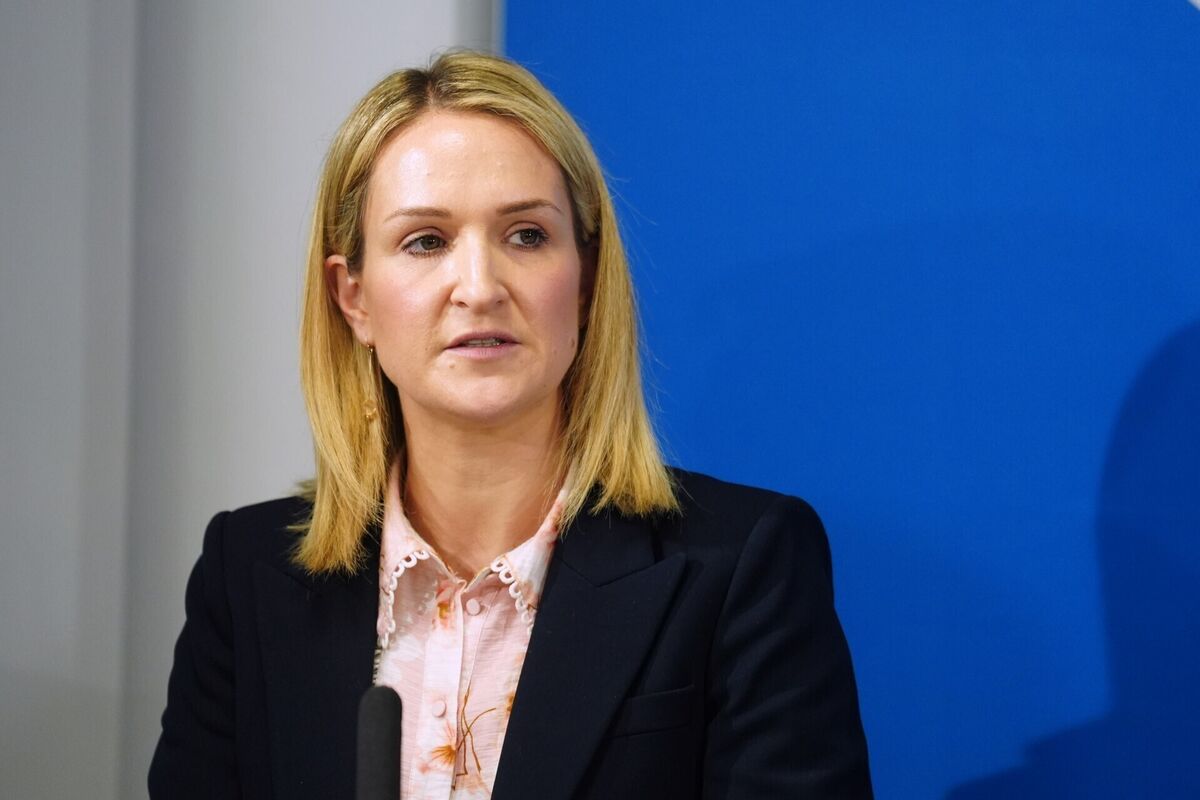
“Ireland remains deeply concerned at these restrictions. The Taliban have tried to silence the women and girls of Afghanistan. This is utterly unacceptable and we must ensure that the voices of Afghan women and girls continue to be heard and remain at the centre of international efforts to address this appalling situation,” she said.
The minister said the prohibition on education was a particularly egregious affront to their basic human rights and, as a newly elected member of the Human Rights Council, Ireland would use its position to call on the Taliban to reverse their exclusionary decrees and policies.
“We cannot look away from this gross mistreatment of women. The international community must address the problem,” she said.
The situation in Afghanistan, she added, was exacerbated by decades of conflict, chronic poverty, food insecurity and extreme weather events, but it was vital to keep supporting the country.
“At a time when other donors are reducing support, Ireland has maintained its commitment to the Afghan people. Already in 2026, Ireland has provided almost €6m in assistance, supporting the response to needs in Afghanistan and amongst refugee-hosting communities in Iran and Pakistan.
“We will provide additional support next year, including specific funding for education for girls,” Ms McEntee said.
If there is support at Government level, there is also a perception that some recent measures will make life for refugees living here harder. To quote one example, migrant groups have said stricter new citizenship requirements will make the country a more hostile place.
Anti-immigration rhetoric is on the rise too, sharpened by an ongoing housing crisis, although there is some recognition of the dangers faced by certain groups.
More than 700 people from Afghanistan have arrived in Ireland since 2021 under the Irish Refugee Protection Programme (IRPP)’s Humanitarian Admissions Programme. A further 50 people will be facilitated in 2026, and the same number in 2027, a Department of Justice spokesperson said.
“The IRPP also carried out a number of selection missions in Türkiye [Turkey] in 2025 and 2026, which focused on the potential selection of Afghan nationals for resettlement in Ireland. Arrivals from the first of those selection missions have commenced, with over 80 Afghan nationals having been resettled in 2026 to date,” the spokesperson said.
Meantime, severe funding shortfalls are presenting impossible challenges to the UNHCR, the UN refugee agency. It has warned some 8.3 million refugees, and other forcibly displaced people, face losing vital assistance because of the cuts.
Yet, the agency remains steadfast in its efforts in Pakistan to protect and assist refugees and those in need of international protection, UNHCR global spokesperson Babar Baloch told the .
He said the agency was deeply concerned about the heightened risks faced by Afghan refugees — there are some 843,000 registered Afghan refugees in Pakistan — and those returned to Afghanistan, especially women and girls.
“The UNHCR continues to advocate that Afghan nationals are not forced to return, regardless of their status,” he said.
Nearly three million Afghans have returned to Afghanistan, of which about 278,000 were deported, since a framework known as the Illegal Foreigners’ Repatriation Plan (IFRP) was implemented in Pakistan in late 2023.
“Arrests, detentions and deportations have led to large-scale returns to Afghanistan, often under pressure. Refugees must not be returned to a country where their life or freedom is threatened,” he said.
Meantime, Roshana Dadgar is looking into every single opportunity she can, emailing embassies all over the world, applying for study programmes, and signing up for online courses to improve her own skills.
She continues to advocate too, this week focusing on the women of Herat who have been detained on various pretexts.
“I want to keep this movement alive like a secret school, despite all the dangers and difficulties. My goal is to advocate for women and girls in Afghanistan, as well as women around the world who fall victim to violence and injustice, and to be their voice,” she said.
When it all gets too much, she closes the windows and dances. But even that fails to provide a moment of succour: “I can’t even dance to Persian music because I’m afraid the neighbours will realise that an Afghan woman lives in this house.
Yet, she still has hope, and calls on those not living in exile to appreciate the many freedoms they have: “Even appreciate a day when you go out to buy bread without fear, because for me in Pakistan, even this simple act has become an unattainable wish.
“After that, I want to ask you to be my voice, stand by me, and try to help move me to a safe place. I want to have the chance to live in a safe environment, to be able to work freely, study, continue my media and advocacy activities, and plan for my future without fear.”

CONNECT WITH US TODAY



Be the first to know the latest news and updates