Women's health isn't only about fertility — we deserve to be well
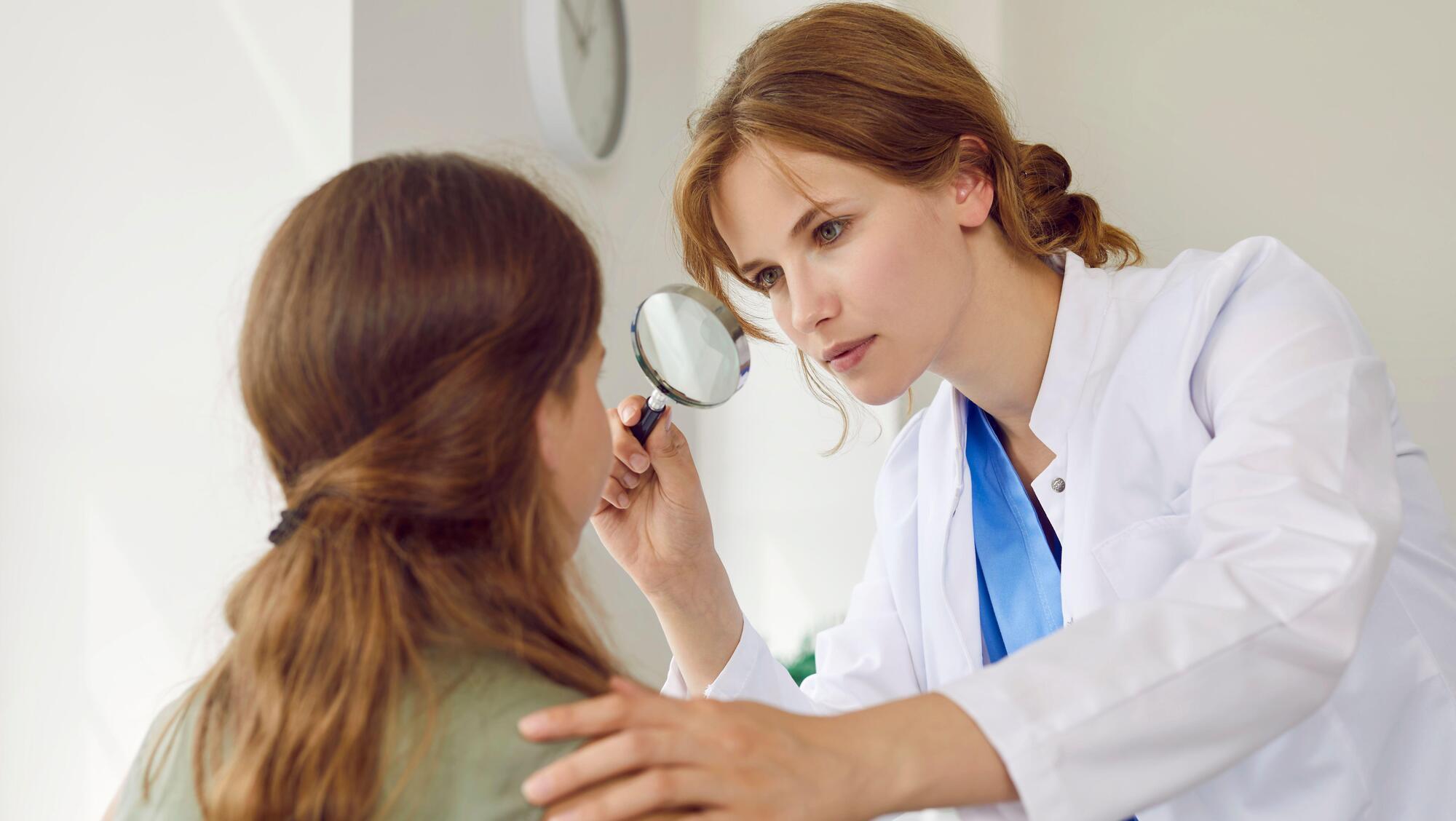
Senator McGreehan was stunned to hear another woman’s experience when seeking a diagnosis for what she suspected was polyendocrine metabolic ovarian syndrome she was told: ‘that will only matter when you want to have a baby’.
“That will only matter when you want to have a baby”.
I sat there stunned, not quite believing what I had just heard.
Those were the words a young woman told me she heard when trying to be diagnosed with polyendocrine metabolic ovarian syndrome (PMOS).
I had been diagnosed with endometriosis in my 20s. Since speaking about living with the chronic condition, many women had reached out to me to share their stories.
The more she spoke, the more I realised her experience was far from unique.
PMOS used to be known as polycystic ovary syndrome (PCOS) but was recently renamed to better reflect the wide-ranging hormonal, metabolic, and reproductive effects of the condition.
PMOS affects around one in 10 women in Ireland. For many, it means years of irregular periods, unexplained weight gain, acne, and excessive hair growth. Yet too many women still struggle to get a diagnosis or access appropriate care.
Speaking to this woman, I could understand why.
She told me that she had long suspected that something was “not quite right”. Like many of us do, she initially turned to Dr Google with her symptoms, who produced the word PMOS. So, she made an appointment with her GP.
Read More
“I explained my symptoms to her and said that I wanted to be tested for PMOS. She told me, ‘that will only matter when you want to have a baby.’”
I wondered what would happen to this woman if she decided not to have children. Would she spend years suffering with a condition that remained undiagnosed? Would her health concerns continue to be brushed aside because they were not seen through the lens of fertility?
The idea that PMOS only matters if a woman wants to have children is not just outdated, it’s dangerous. It reduces a chronic condition to a fertility issue and ignores the very real impact it can have on physical and mental health.
The consequences of PMOS extend far beyond reproductive health. Women with the condition face increased risks of Type 2 diabetes, cardiovascular disease, and fatty liver disease. Mental health challenges are also common.
Yet, despite these risks, too many women are still told, explicitly or implicitly, that the condition only becomes important if they decide to start a family.
The third National Women’s Health Action Plan was published last month. It sets out the next phase of work to improve access, experiences, and outcomes for women across the health system. The first action plan was launched was then health minister Stephen Donnelly back in 2022 and since then, over €180m of additional funding has been invested in women’s health services.
Unfortunately, nowhere in that plan was PMOS mentioned.
As someone living with endometriosis, I recognise and welcome the significant progress being made in expanding access to specialist endometriosis care.
Women fought long and hard for that recognition and it is right that those efforts are now bearing fruit. However, progress for one women’s health condition should never come at the expense of another.
While Ireland has yet to develop a comprehensive clinical framework for PMOS, the UK’s National Institute for Health and Care Excellence (NICE) is moving decisively in that direction.
Its new draft guidelines recognise PMOS as far more than a fertility condition and recommend earlier diagnosis, annual reviews, and ongoing monitoring of the long-term health risks associated with the condition.
Alongside fertility concerns, the draft recommendations address cardiovascular disease, diabetes, and mental health difficulties.
In other words, they treat PMOS as the complex lifelong condition that it is.
That approach stands in stark contrast to the experience of many women who continue to struggle for diagnosis or are told that the condition only matters if they want to have children.
Ireland should now examine the new NICE guidelines with a view to developing a similar clinical pathway for PMOS here.
Women deserve clear diagnostic criteria, consistent standards of care, and regular monitoring of the long-term health risks associated with the condition.
That starts with greater awareness among healthcare professionals, clearer referral pathways, and improved access to specialist services.
No woman should spend years searching for answers only to be told that her symptoms matter only if she wants to have children.
I keep thinking about the young woman who was told that her condition would only matter if she wanted a baby. It matters now. It matters when PMOS affects a woman’s physical health. It matters when it affects her mental health. It matters when symptoms are dismissed, diagnoses are delayed and opportunities for early intervention are missed.
Women’s health is not simply reproductive health. Women deserve to live healthy lives, receive timely treatment and have their concerns taken seriously, whether they decide to have children or not.
- Erin McGreehan is a Fianna Fáil TD for Louth


CONNECT WITH US TODAY



Be the first to know the latest news and updates