Ireland's so-called 'rape shield' to protect victims from intrusive personal questions is not working
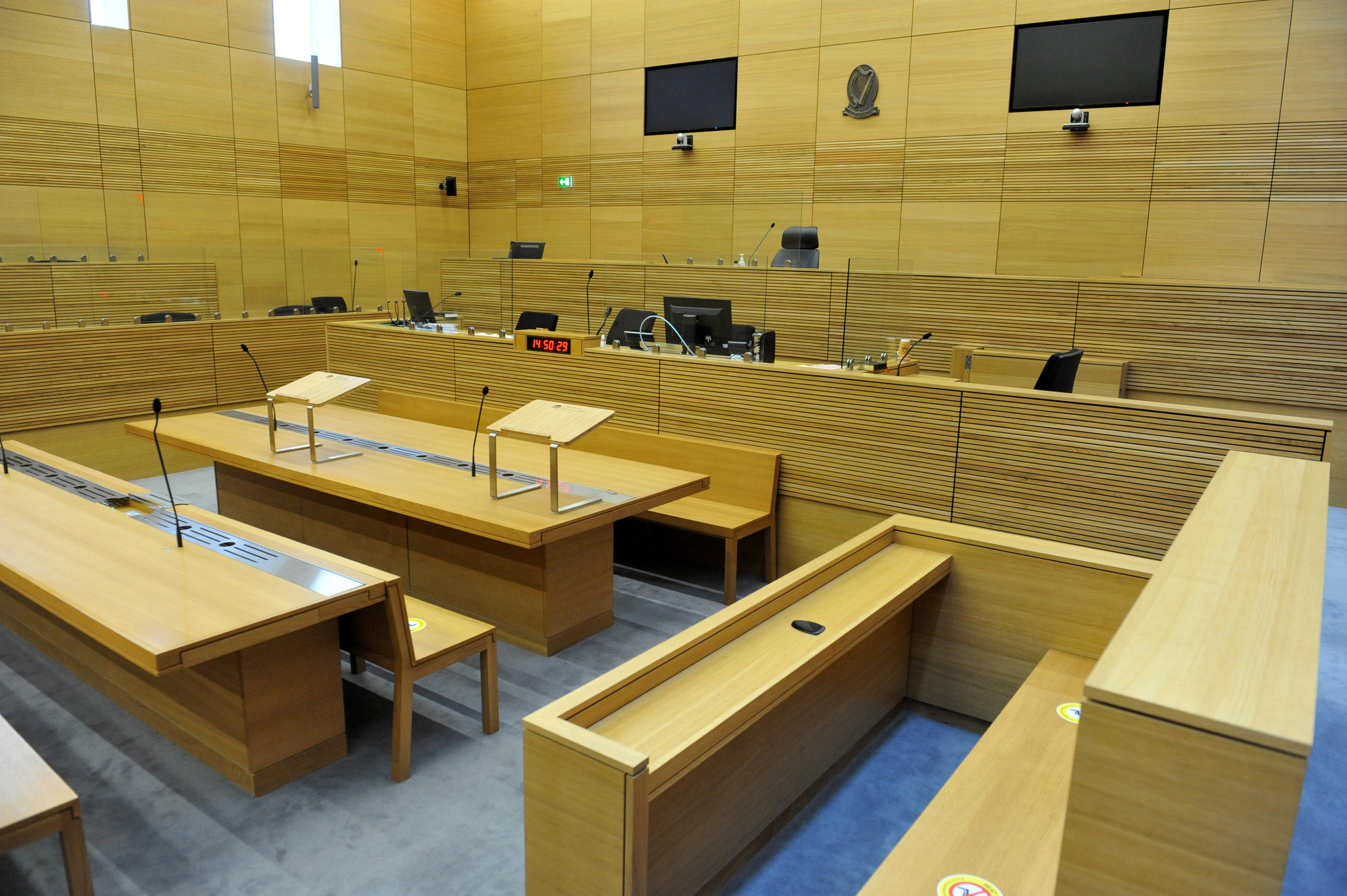
If we as a society really want to take sexual offences seriously, reform of the shield and its operation must be a priority for legislators. Picture: Larry Cummins
However, the overwhelming majority of these crimes never reach the courtroom. Only about 5% of rape survivors and 12% of child sexual abuse survivors ever report to An Garda Síochána. About a fifth of these make it to prosecution.
Given this stark reality, it is imperative that once a prosecution does make it to court, every effort is made to ensure the law and procedure are working to the highest standards.
Unfortunately, victim-survivors continue to identify the trial, particularly the cross-examination, as a cause of harm and a site of injustice.
Often, survivors speak about the fear of being asked about their other sexual experiences besides the alleged sexual assault or rape.
There is a legal rule that restricts the defence’s ability to ask a complainant in a rape trial about their past sexual history. Known as the "rape shield', section 3 of the Criminal Law (Rape) Act 1981 requires the defence to apply to the trial judge for leave to bring in evidence of sexual experience or to ask a question relating to the complainant’s other sexual experiences.

Given the distressing impact of such evidence on complainants, the Legal Aid Board provides a separate lawyer to represent the complainant on the section 3 application and for any cross-examination.
Like all rape shields, section 3 aims to protect the jury’s fact-finding process by filtering out arguments that (1) someone’s consent to sex on another occasion is indicative of consent to the impugned sex and (2) that prior sexual activity connotes weakened credibility.
Read More
It is a fundamental structural protection against distracting and irrelevant evidence that has a high risk of distorting the jury’s fact-finding process.
My research report is the first in-depth qualitative study of the Irish rape shield. Centred on 21 in-depth interviews with experts, including practising lawyers with an average of 18.5 years’ experience, the study makes ground-breaking findings about how section 3 operates and the arguments made to judges by counsel about sexual experience evidence.
It finds the Irish rape shield is an important part of many rape shields; that in 2025 an estimated 39% of rape trials involved an application to admit sexual experience evidence and cross-examination on sexual experience evidence.
This does not mean the application in each of these cases was successful, and the figure does not disaggregate applications from cross-examinations. However, the figure of 39% does show the rape shield features in a significant proportion of Irish rape trials.
This is surprising because the most recent study to deal with the shield, Rape and Justice in Ireland (2009) had estimated the rate of applications to be about 20%.
Unfortunately, however, the report shows the shield is not working as intended.
The report finds sexual experience evidence is being used in certain cases to exploit culturally potent notions of ‘real rape’ and ‘the lying complainant’ and thereby to cast complainants as suspicious, and as outside the category of a ‘legitimate’ rape victim.
A particularly clear example of this is in relation to how lawyers described applications to adduce sexual experience evidence in cases involving teenagers.
Lawyers stated sexual experience evidence was needed to counter the jury’s assumed impression of the young complainant as ‘sexually innocent’. Even where in a hypothetical case the prosecution or complainant had not made any claims about the complainant’s virginity, lawyers stated the jury needed to hear about the complainant’s interest in pornography, or the phone texts or social media messages they sent.
There are myriad other ways of thinking about sexualised digital content; that it is suggestive of a natural curiosity about sex and sexuality; that it is a normalised form of interaction or flirting among young people; or simply living in an unregulated online space in which, particularly for girls, sexting is linked to coercion and harassment. To use text messages to infer consent would be extremely concerning.
The report also makes a number of other findings, including that adult complainants who had been in a relationship with the defendant and adults who use dating apps are at risk of being questioned about other sexual experiences or digital communications.
The report does not call for a total ban on sexual experience evidence; instead, it recognises that in some cases, it can be important evidence that is necessary for the defendant to receive a fair trial.
However, it argues the current rape shield should be reformed to clarify the circumstances in which sexual experience evidence may be admitted. It also makes proposals around enhancing the quality of representation offered to complainants when their sexual experiences are sought to be adduced.
The report recommends a panel of barristers focused on this work should be established with a requirement of at least two years’ experience of sexual cases and a requirement to undertake regular professional development. Further research including trial observation studies and better data collection are also needed.
The rape shield is a critical protection of the jury’s fact-finding process and ultimately of the justice system itself. If we as a society really want to take sexual offences seriously, reform of the shield and its operation must be a priority for legislators.
- Sinéad Ring is associate professor in law at the School of Law and Criminology, Maynooth University. Her research was launched at Rape Crisis Ireland’s symposium. Read the full report at rapecrisisireland.ie.


CONNECT WITH US TODAY



Be the first to know the latest news and updates