Deis schools to provide free period products
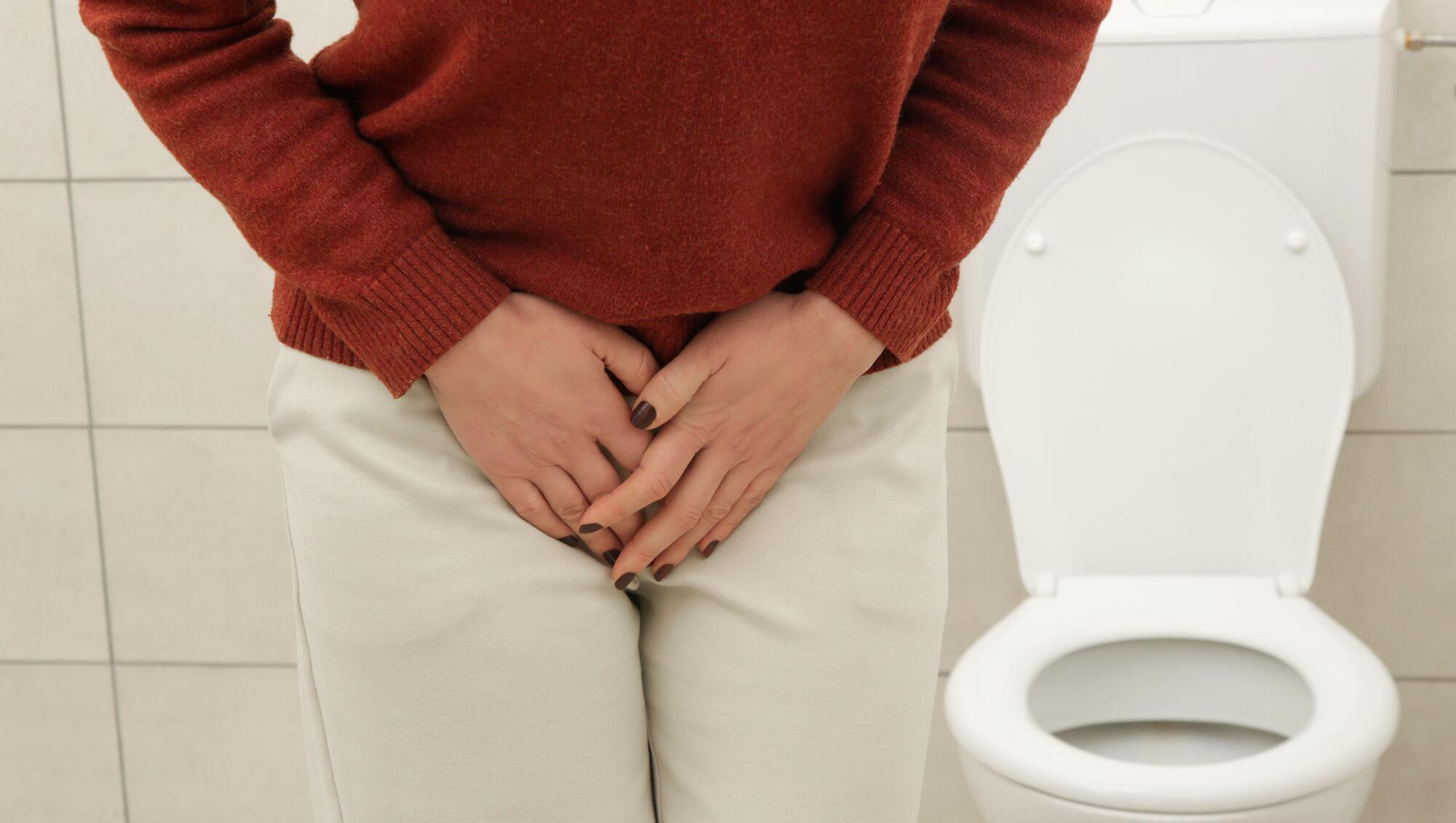
Teachers told a Department of Education consultation of girls having to use socks as sanitary pads because they could not afford to buy period products. Stock picture: Alamy
Schools supporting students most at risk of educational disadvantage are to receive funding to provide period products to help combat the stigma of period poverty.
It comes as teachers told a Department of Education consultation of girls having to use socks as sanitary pads because they could not afford to buy period products.
One said: “We don’t have enough resources. Some students can’t access period products. I sometimes have to give money to parents to pay the gas meter and food hampers. Period products are the last thing looked for, it’s a luxury. There is such embarrassment about it.”
More than 100 schools in the Department of Education’s Deis Plus scheme will be eligible for a grant to provide the products.
Students and school staff who took part in the consulation described situations where families struggling with poverty, homelessness, and financial hardship found it difficult to afford essential menstrual health products.
One teacher told the consultation: “There can be a lot of shame attached to girls not being able to afford period products. It’s linked to poverty and homelessness. It might be a choice between food and period products for some parents.”
Read More
The programme for government includes a commitment to “provide free period products in schools to ensure no student is held back due to period poverty”.
The Department of Education sought funding as part of Budget 2026 to roll out free period products in schools but it was not provided.
However, the Deis Plus scheme announced earlier this year included an allocation of €100,000 to provide free period products during the 2026/2027 school year.
A total of 47 students between the age of 12 and 19, along with teachers and principals from Deis, Deis Plus, and non-Deis schools, took part in the consultations with the department on how best to make the products available in schools.
It found overwhelming support among students for the introduction of the free period products in schools.
Many highlighted the rising cost of products and the challenges posed by unpredictable periods.
“Not everyone has enough money at home to buy period products,” one student said.
One teacher told the consultation: “In one family, the girls were using socks as sanitary pads because they couldn’t afford to buy period products. I know one girl whose parent told them they don’t need period products, which is very difficult.”
The Department of Education described today’s funding announcement as the “first phase of implementation” which will help “lay the foundations for the wider delivery of the initiative”, with the long-term objective of making free period products available in all schools.
“By working closely with these schools, we can provide practical support where it is needed most, while building towards our longer-term goal of universal provision of free period products in all recognised upper primary, post-primary and special schools,” said Minister for Education Hildegarde Naughton.
“Access to period products is a matter of dignity, equality and educational participation. No student should miss school, feel excluded, or struggle to engage fully in learning because they cannot afford these essential items.”
Funding allocations for each school have been calculated by the department based on the number of students in each school who are likely to have started their period, based on their age.
For primary schools, this was calculated using figures for students in fourth class and above.
- Jess Casey, Education Correspondent

CONNECT WITH US TODAY



Be the first to know the latest news and updates