Fuel protests: Meet the three men turning anger over costs into a political movement
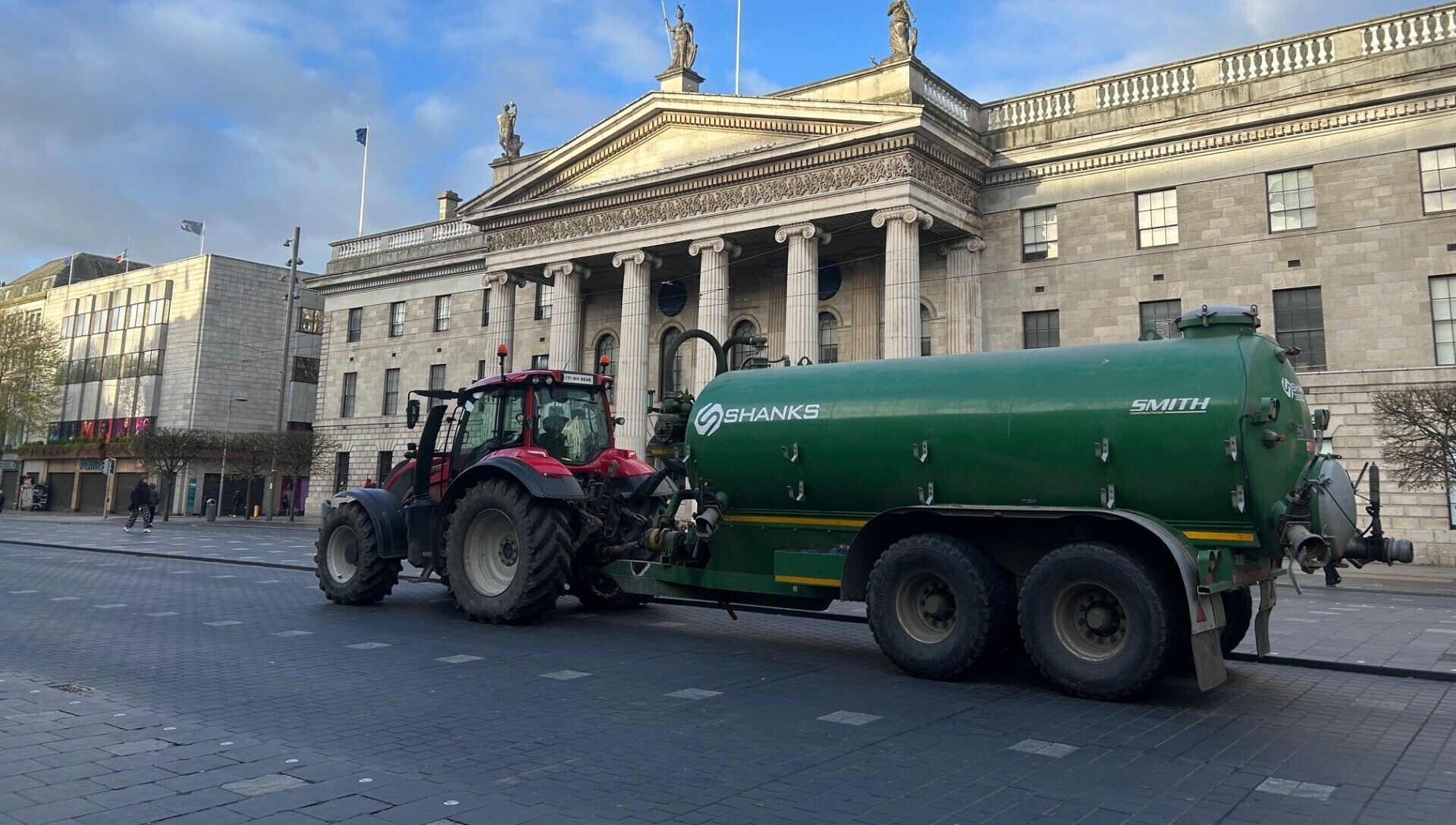
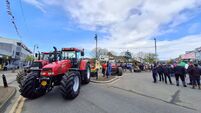
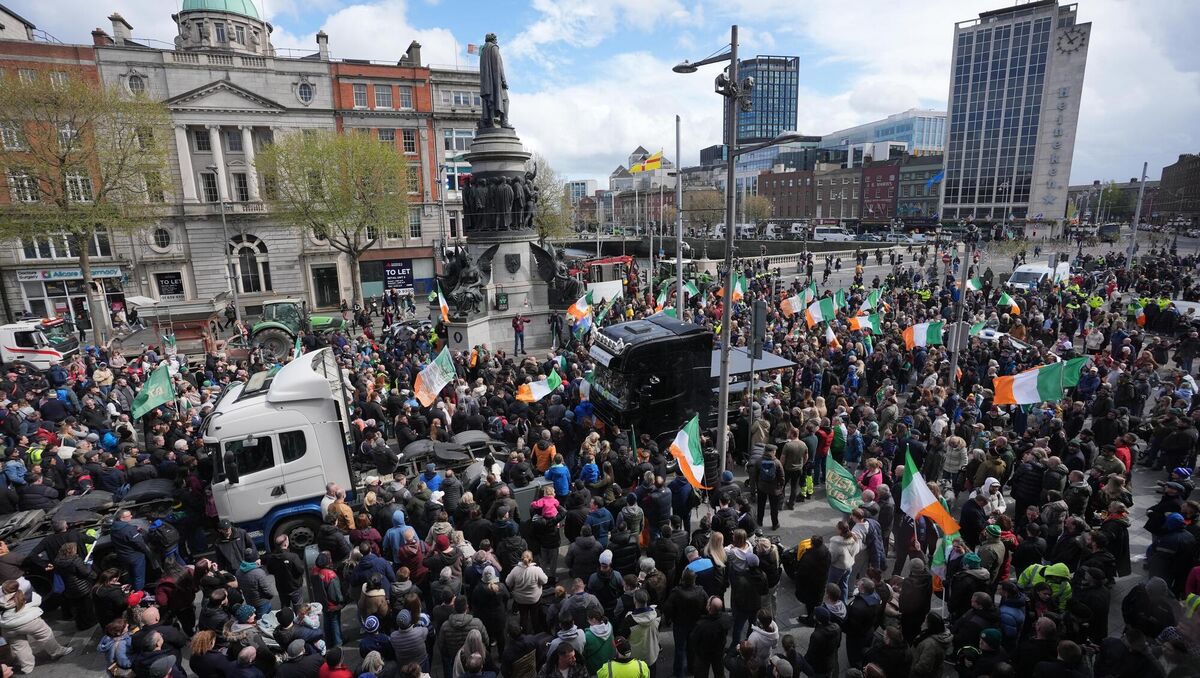
A tractor and bowser on O'Connell Street in Dublin during the fuel protests in April. Cillian Sherlock/PA Wire
From the still smouldering embers of April’s fuel protests, a new political force may be emerging.
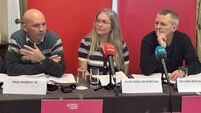
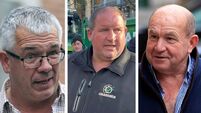
Three men who have risen as leaders of the fuel protest movement — James Geoghegan, John Dallon, and Christopher Duffy — are submitting a document of demands to finance minister Simon Harris this week which they want to see reflected in Tuesday’s budget.
Their key demand is the scrapping of the carbon tax — something the Government has repeatedly said it will not do.
However, there are indications fuel support measures introduced after April’s protests may be extended.
Relief on home heating oil costs have been essentially promised by public expenditure minister Jack Chambers as part of Tuesday's €8.5bn budget package.
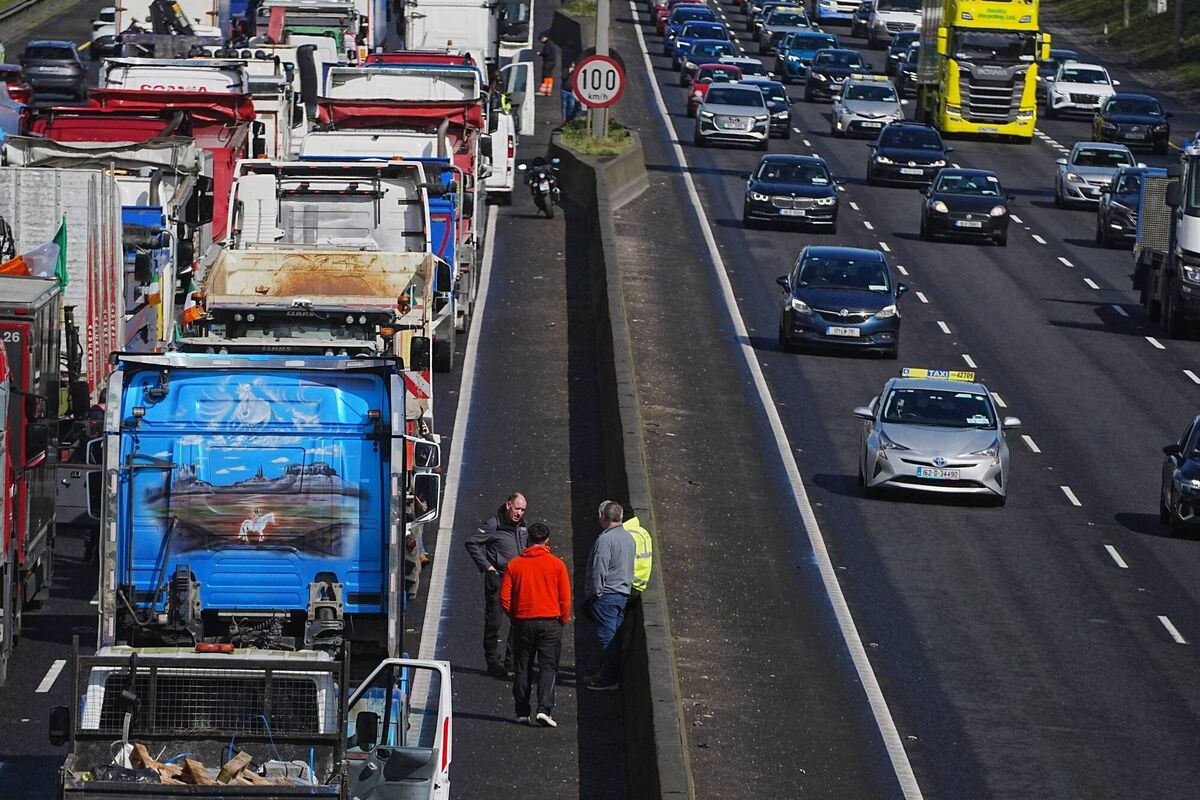
Fuel protests, like those that ground the country to a halt in April, have been threatened unless taxes on petrol and diesel are dramatically reduced.
There is scepticism as to whether enough will be done in the budget to suppress any protests.
A meeting in Moate, Co Westmeath, which organisers claim attracted around 3,000 people last Sunday, is evidence of widespread public anger, according to the three men.
Read More
“You had farmers, truckers, plant hiremen, the big fuel users," says Geoghegan.
“But there were normal people there too, people on lower incomes who are suffering really bad.
“There were a lot of young people there. There were students there who drive to college and sleep in the car every second night to save petrol.”
Elderly people on pensions, too frightened or poor to use the heating in winter, also attended, he says.
“Unless we start looking after these people, there's people going to die of the cold this winter,” says Mr Geoghegan.
What began as a campaign about fuel prices has evolved into something much broader, with the trio seeking to channel frustration over the cost of living and what they regard as wasteful public spending.
They want to see property tax for pensioners scrapped and are calling for the immediate end to the universal social charge.
Mr Geoghegan says he is now being told he must run in future elections, though Mr Dallon and Mr Duffy told the it is less probable, but not impossible for them to make a career in politics.
Others within the movement are also considering standing in the next elections.
Their most suited political bedfellows would be Independent Ireland and Aontú, says Mr Geoghegan.
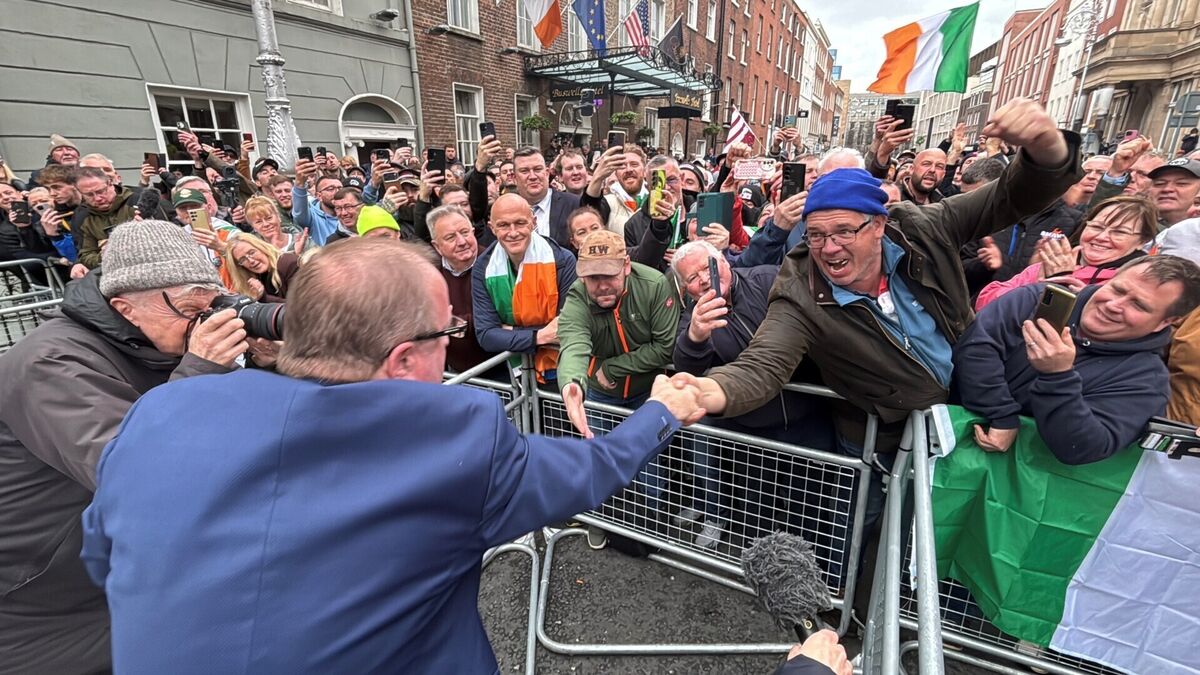
Running through their rhetoric are stories of vulnerable people they want to support: The homeless they met while protesting in Dublin, the single mother with multiple sclerosis who barely eats three days a week so she can afford to drive to hospital appointments from her rural home, the pensioner afraid to turn on the heating.
But so too does anti-migrant sentiment, with frequent references to the cost of accommodating refugees and spending on foreign aid.
A populist instinct often allows a single anecdote to stand as evidence of widespread exploitation and waste. One such story involves a Ukrainian woman who reportedly bought a house after State supports ended; it is presented as evidence the welfare system is being exploited and taxpayers money wasted.
If major changes are not made in the budget, people will take to the streets again, Mr Duffy says, calling it an inevitability.
“There are very angry people out there with very little to lose," he says.
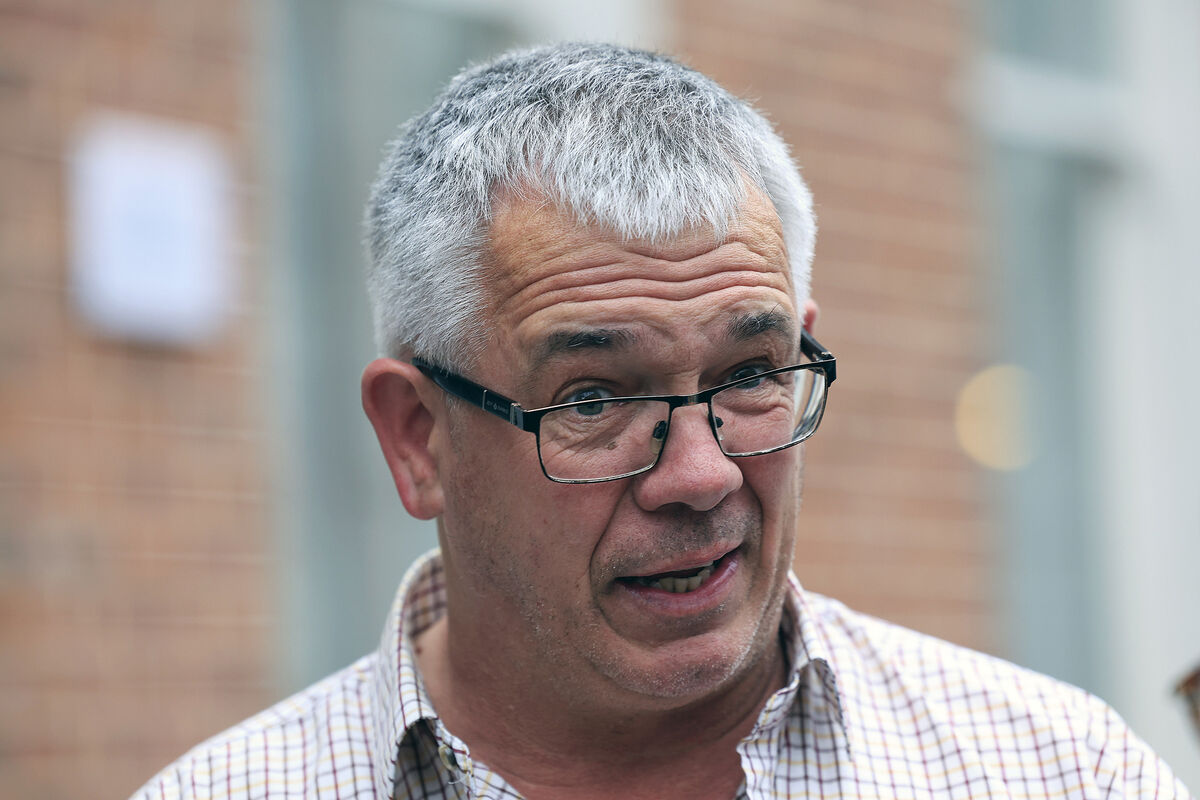
James Geoghegan first burst into the national consciousness during April's fuel protests, appearing across television screens and dominating social media feeds.
The Westmeath farmer and agricultural contractor argues carbon tax amounts to a pay cut for farmers.
When cutting grass with heavy machinery, he says, carbon tax alone can add about €300 a day to his costs.
“The idea of carbon tax is to transition you away from fossil fuels to cleaner energy," he says. “But we don't have the alternative."
While more financially secure than some through his work in farming, agricultural contracting, and machinery sales, Mr Geoghegan's voice hardens when he speaks about the messages he receives from people struggling to make ends meet:
- The elderly woman surviving on one pension since her husband’s recent death, knowing she will not be able to afford both her property tax and to refill her oil tank when both those bills arrive in January.
- The 39-year-old single mother with MS who barely eats three days each week so she can afford the fuel she needs to get to hospital for treatment.
Mr Geoghegan is moved recounting the people he’s met through the campaign and their messages of gratitude to him for giving them hope.
These people are suffering while there are unacceptable levels of Government waste, he says, pointing to the National Children's Hospital and the €336,000 spent on the Dáil bike shed.
“There’d be enough money for everyone if Government stopped wasting it,” he says.
He believes too much is being spent on refugees and migrants, although he agrees he “would not be queuing up” to stay in a cramped Ipas centre with strangers and no choice over what to eat.
He denies being far right and he has been “right so far” about many things.
Mr Geoghegan is no stranger to protest. He was involved in the beef price demonstrations of 2019 and says it was his idea to block the M50 with tractors during a major protest in January 2020.
The reported earlier this year Mr Geoghegan had convictions for animal cruelty and had been the subject of Revenue judgments totalling over €500,000.
He says he had repaid Revenue and the animal welfare convictions related to cattle owned by his father but registered under his herd number.
Following April's protests, he claims: “I'm not just doing this for myself. I'm doing it for everybody. I'm getting so many messages from people across the country who are in serious financial trouble and heading into a winter with not enough money to keep warm.”
Ireland is “on a runaway train at the minute of rising expenses. And it's going to absolutely blow up.”
Mr Geoghegan says it annoys him when politicians say they “can’t keep writing blank cheques to subsidise fuel".
“They say they’re giving you a handout but that’s a lie. Their tax take goes up as the price of fuel goes up, because it’s a percentage of the overall cost. So they’re actually bringing in more taxes with higher fuel costs anyway.”
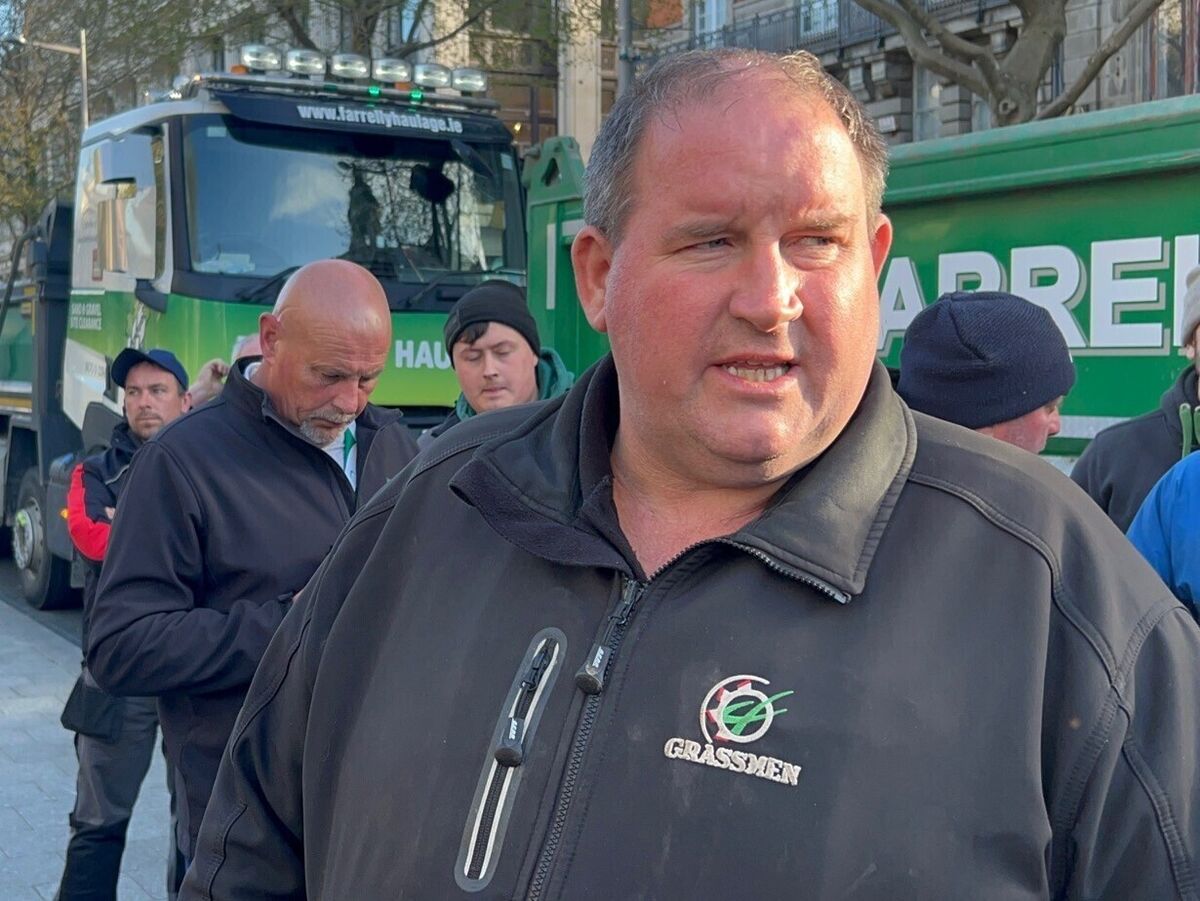
Mr Duffy, an agricultural contractor based outside Navan, Co Meath, has been in the business for almost 30 years. He employs two people and owns a fleet of tractors and machinery, much of it purchased on finance.
While he does not expect the budget to abolish carbon tax entirely, he believes farmers and other sectors need far greater supports around the cost of fuel.
“I don't think any cuts they're going to make will save us," he says.
“I wrote a cheque this morning for €4,800 for 3,000 litres of diesel. In January, that was €2,700.”
The protests in April "just mushroomed", he says, explaining he, Mr Geoghegan, and Mr Dallon initially acted as co-ordinators in their own areas.
WhatsApp groups and the People of Ireland Against Fuel Prices Facebook page allowed activists across the country to communicate and co-ordinate strategy.
“I'd never be afraid to speak up,” says Mr Duffy.
“I'm actually fighting against carbon tax from the day it was launched because we never had an alternative.
“I'd be very friendly with James Geoghegan through the contracting, and I got very friendly with John Dallon through the beef protests back in 2019.”
Anger at a perceived lack of action over escalating energy costs in spring brought them together again ahead of the protests in April.
“We just said, ‘to hell with this, there's too much talking going on’. We picked a date and went for it.
“We chose the dates to tie it in with school holidays because we knew the bus companies would get involved. And there was also a builders’ holiday then so an awful lot of trucks were available.
“These things take planning. People think that you just make an AI poster and pick a date and a protest happens — it doesn't work like that.”
Since emerged as a leader of the fuel protests, Mr Duffy says he has suffered online abuse and false allegations, and claims far-right actors have criticised him for championing high fuel costs as an issue, saying he should be protesting against migrants instead.
His contracting work is fuel intensive, with long hours of cutting sileage and spreading slurry. “We burn a lot of diesel,” he says.
There is talk of HGVs and tractors moving to hydrogenated vegetable oil (HVO), a biofuel which produces 80%-90% less greenhouse gas emissions than diesel and does not depend on global oil supplies.
However, Mr Duffy says much of his sector is stuck with diesel. Electric tractors remain impractical for many farms, he argues, because their batteries make them too heavy for fields and lack the range needed for long working days.
While hydrogen tractors are being developed in the Netherlands, they are still mostly at prototype stage, he says.
“I have a terrible fear of what's to come,” says Mr Duffy ahead of the budget.
“I'm not a greedy person. I'm more than happy if I can sit down for my Christmas dinner and have all my bills paid and have a few bob in my pocket, enough money to kick on again in January. But I don't even think that's going to be an option.”
High fuel prices have compounded a summer of drought as work literally dried up.
“I've never seen it in 30 years that work just completely stopped," says Mr Duffy.
“The grass stopped growing, so we had no silage to go, and then it was so dry nobody wanted to spread any slurry around because it would burn the ground.”
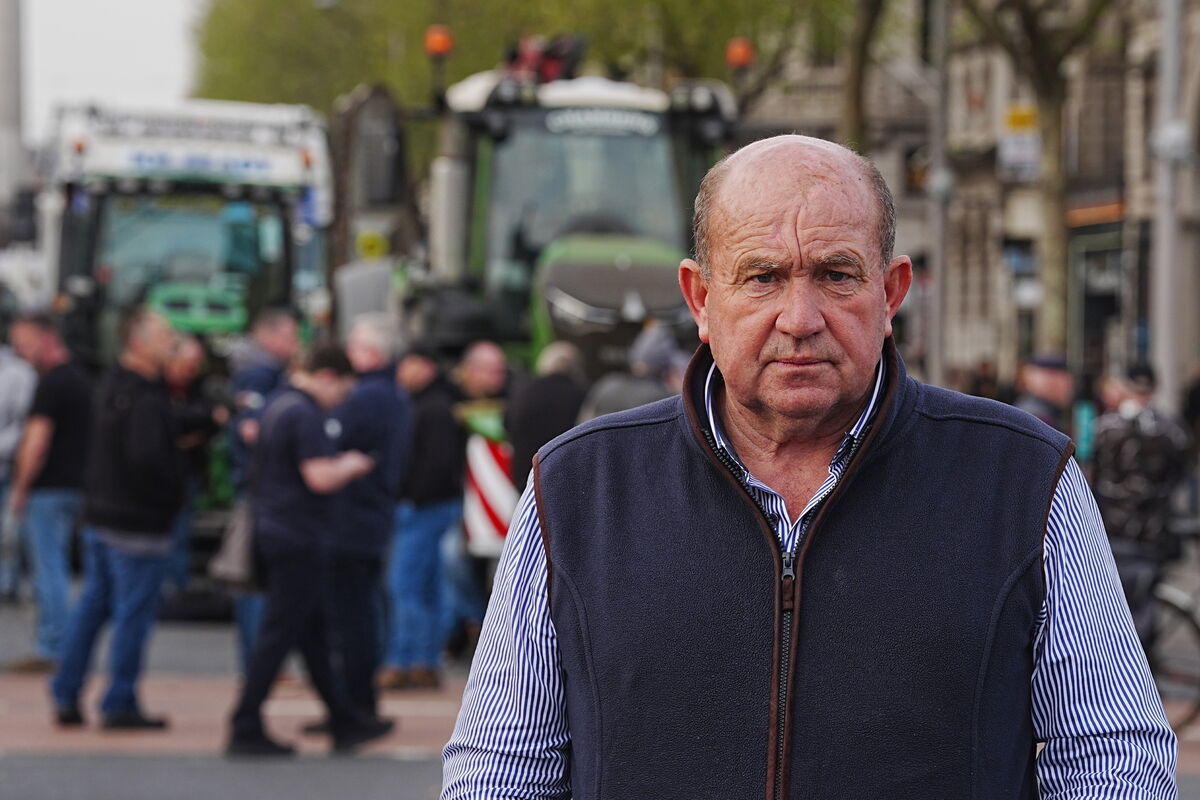
John Dallon, a farmer and agricultural contractor from Castledermot, Co Kildare, was busy this week finalising a document of demands to present to finance minister Simon Harris ahead of the budget.
“If they want to bring down the price of fuel, they can well do it,” he says.
The group’s demands extend beyond scrapping carbon tax to include pausing motor tax during the fuel crisis.
They also want to see the retrofit grant schemes improved and widened, along with tax bands, more fuel supports for construction, and the removal of carbon levies on concrete products.
“These changes are for everyone — not just the farmers, contractors, and hauliers, but for students, nurses, doctors, teachers.”
Mr Dallon says he is “trying to negotiate and do things the diplomatic way".
He was also involved in the beef price protests of 2019 and campaigned for a reversal of height restrictions on lorries, which had limited how much produce could be carried.
His time protesting in Dublin in April also exposed him to the realities of homelessness. He has returned regularly in an effort to help people sleeping on the streets.
“It breaks my heart," says Dallon.
“I call them the forgotten people of Ireland. I met some absolutely lovely, well-spoken, well-mannered people who were down on their luck — girls who had escaped abuse at home and were on the streets; one man who was thrown out of his home when his father died."
Those encounters sit uneasily alongside what Dallon sees as wasteful public spending.
“Taxpayer money is being thrown around like confetti,” he says.
“It has become rip-off Ireland.”


CONNECT WITH US TODAY



Be the first to know the latest news and updates