Heatwaves are exposing Ireland's weakest links
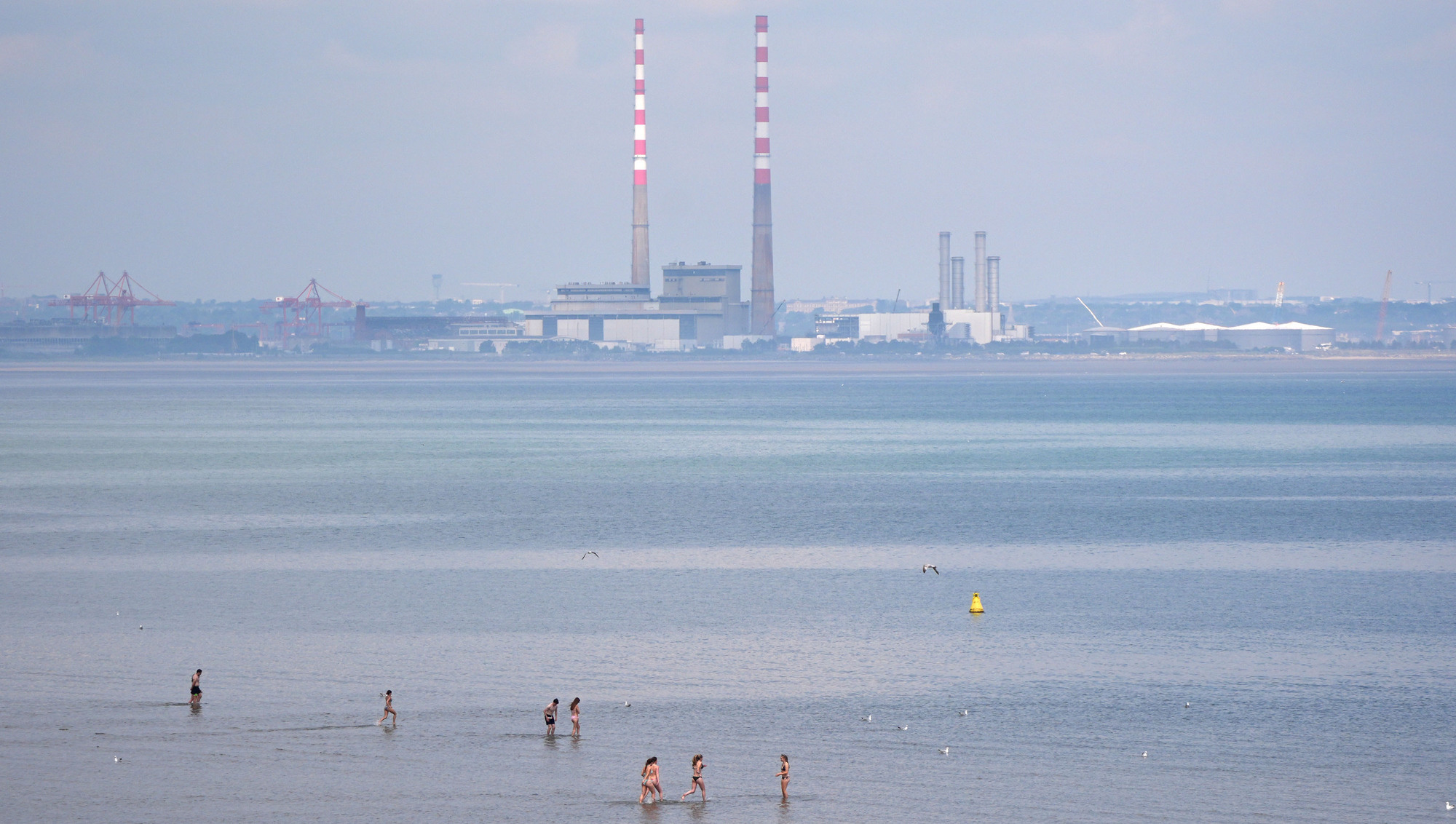
Sunbathers at Seapoint in Dun Laoghaire last month. Climate resilience is no longer simply an environmental issue; it is becoming a question of whether Ireland's critical infrastructure can continue to function safely and reliably under conditions it was never built to withstand.
July 15 marks the EU Day for Victims of the Global Climate Crisis.
Falling on the anniversary of the 2021 floods that killed more than 200 people across Belgium, Germany, Luxembourg and the Netherlands, the day remembers those who have lost their lives to the changing climate and the extreme weather events becoming increasingly common across Europe.
Following this summer's heatwave, which has been linked to an estimated 10,000 deaths across the continent, the day of remembrance feels more pertinent than ever.
Ireland was by no means spared from the extreme heat of the past month. In the final days of June, Met Éireann declared an official heatwave after weather stations in Carlow, Cork and Tipperary recorded five consecutive days above 25°C.
Athenry, Co. Galway, reached 32.1°C, barely a degree below Ireland's all-time record of 33.3°C, set at Kilkenny Castle in 1887. Now, as July 15 approaches, the heat has returned once again, exposing a reality that extends far beyond uncomfortable temperatures: much of Ireland's infrastructure was never designed for the climate it now faces.
Historically, Ireland has benefitted from a mild, predictable Atlantic climate. Homes were built to retain heat, and roads, railways, and electricity networks were engineered around weather patterns that remained broadly stable.
Read More
While flooding, storms, and heatwaves occurred, they rarely matched the intensity or frequency now being experienced across Europe. Now, however, that climate is changing faster than these systems can adapt.
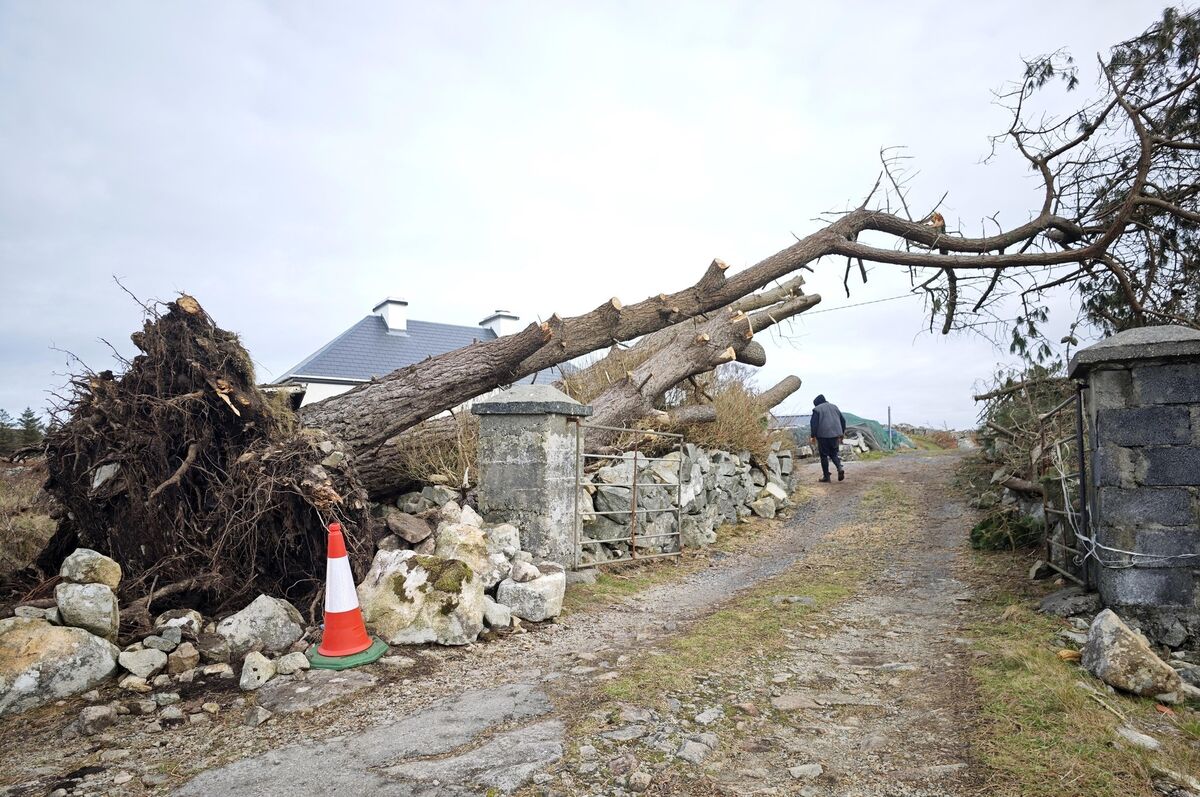
Warmer summers, wetter springs and autumns, and more frequent extreme weather events are becoming the norm rather than the exception. Storm Éowyn, which caused more than €500m in damage earlier this year, was less an isolated event than a warning of what lies ahead.
The storm damaged homes, disrupted transport, interrupted electricity supplies and left communities facing significant recovery costs. Yet our response remains largely reactive. We rebuild after each crisis instead of preparing for the next, allowing long-term climate risks to become tomorrow's emergency.
The consequences are already visible. During this heatwave, Met Éireann has recorded tropical nights where temperatures never fell below 20°C, creating dangerous conditions for older people, young children and those with underlying health conditions.
Research has consistently shown that prolonged overnight heat greatly increases the risk of heat-related illness, as the body has little opportunity to sufficiently cool down.
Unlike many countries in southern Europe, Ireland has relatively little experience managing sustained periods of high temperatures, leaving households, healthcare services and employers adapting in real time.
Ireland’s housing stock illustrates the challenge particularly well.
Most Irish homes were designed to keep warmth in rather than let excess heat escape, and cooling has historically received little attention in building design.
Over the past decades, insulation standards have improved to reduce emissions and lower heating costs, but without adequate ventilation, shading, and passive cooling measures, airtight homes could become vulnerable to overheating during the summer months.
The Sustainable Energy Authority of Ireland's recent national heating and cooling assessment acknowledged that demand for cooling is expected to grow as temperatures rise.
Retrofitting for energy efficiency therefore cannot be viewed solely through the lens of winter heating. Homes must also remain safe and comfortable during summer extremes.
The challenge, however, extends well beyond housing. Extreme heat places additional strain on electricity networks as cooling demand increases, evidenced when New York’s mayor Mamdani recently called on people to keep their air conditioning units to a certain temperature to reduce grid strain.
Roads can also soften and deteriorate under sustained high temperatures, as was the case in Germany during the latest heatwave.
While Ireland may have not yet reached the temperatures recorded in New York or Germany, it is clear that climate resilience is no longer simply an environmental issue; it is becoming a question of whether Ireland's critical infrastructure can continue to function safely and reliably under conditions it was never built to withstand.
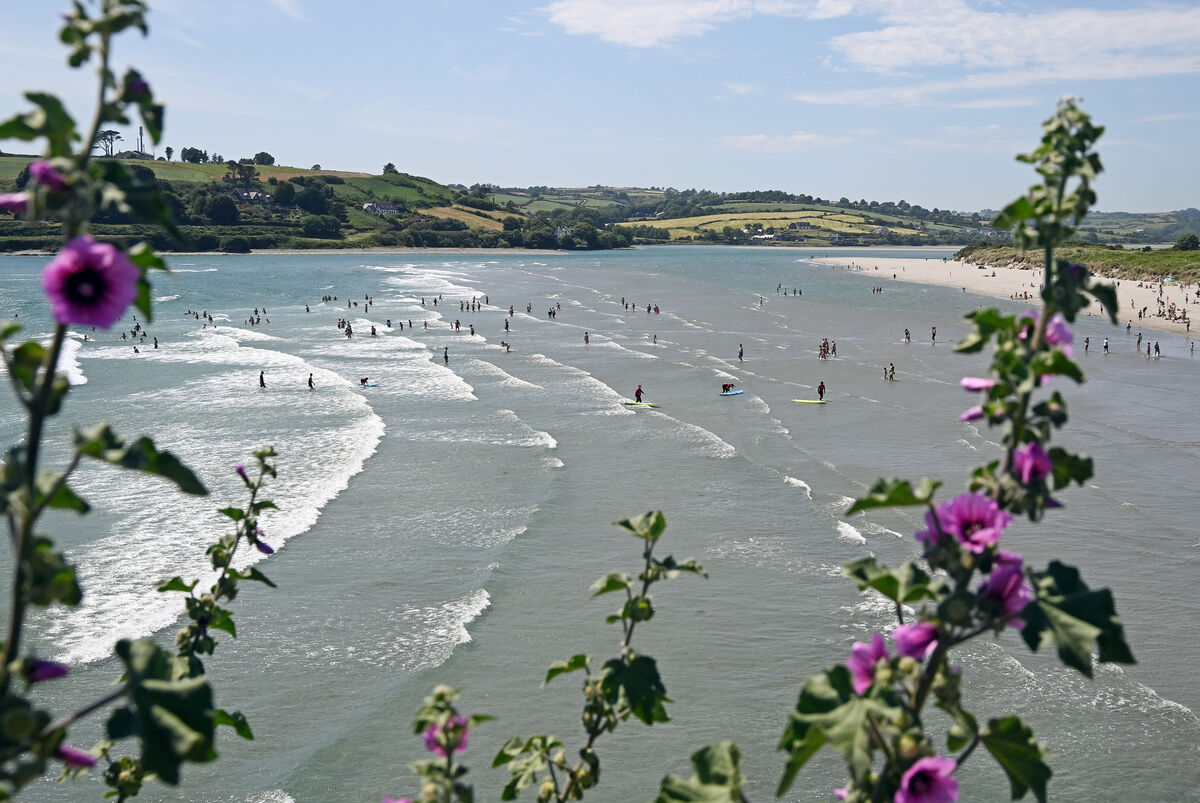
Encouragingly, Ireland is not starting from scratch. Public awareness of climate change has never been higher, particularly among younger generations who will live with its consequences for decades to come.
The country has also begun putting the foundations for adaptation in place. The National Adaptation Framework, published in 2024, recognises these vulnerabilities and requires adaptation plans across 13 priority sectors, including transport, health, agriculture, energy and the built environment.
Met Éireann has developed standardised climate projections for 2050 that allow infrastructure to be designed and assessed against future, rather than historic, weather patterns.
Funding mechanisms such as the Climate Action Fund and the Infrastructure, Climate and Nature Fund are also already in place.
The challenge is implementation. Strategies and funding alone will not protect vulnerable communities if projects are delayed and the focus remains on short-term solutions.
The Economic and Social Research Institute recently reported that Ireland is more than 30% behind its target of upgrading 500,000 homes to a B2 energy rating by 2030. But the issue reaches far beyond retrofitting homes.
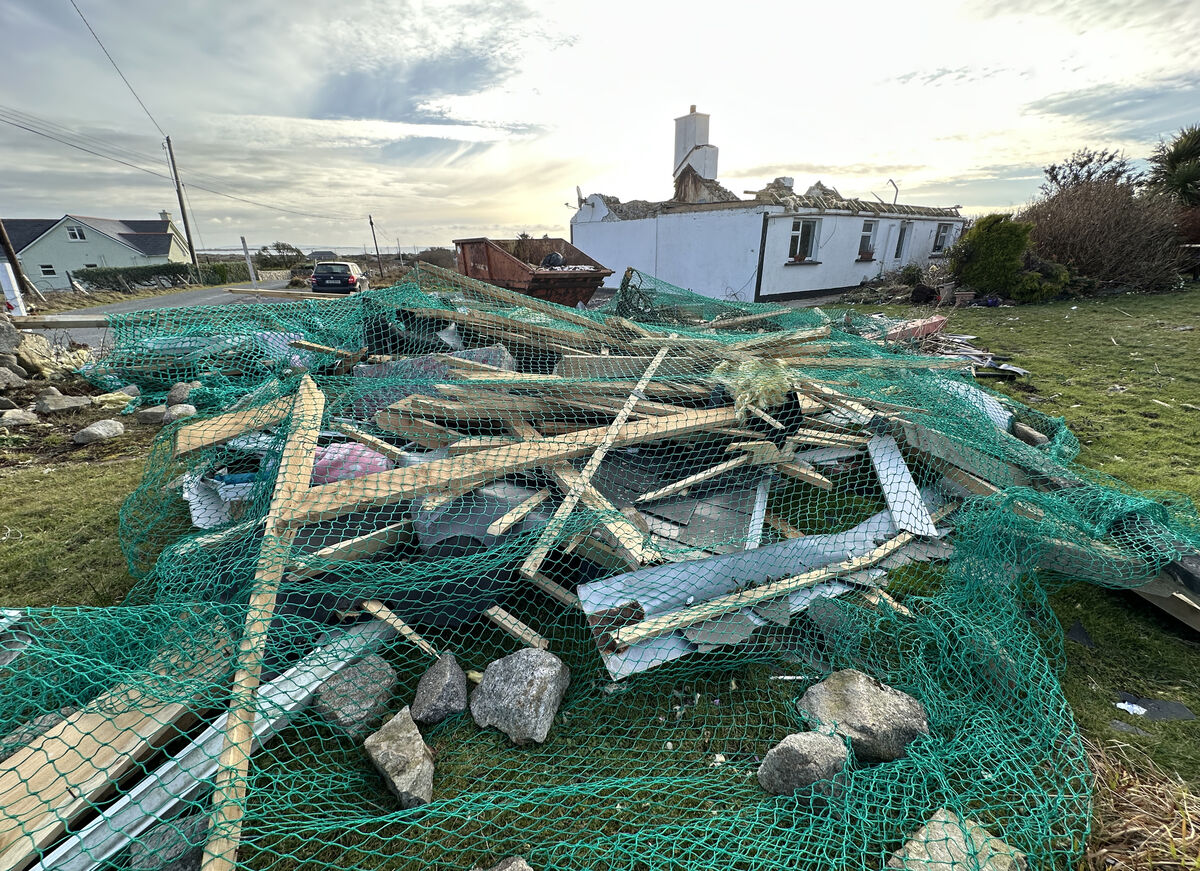
Climate resilience must become a guiding principle across all infrastructure investment, from strengthening electricity and water networks to designing roads, public transport and public spaces that can withstand prolonged heat, flooding and more frequent storms.
Every new piece of infrastructure built today should be capable of performing under tomorrow's climate, not yesterday's. Preparing Ireland for a warmer, more volatile future therefore means embedding climate resilience into every stage of infrastructure planning rather than treating adaptation as an afterthought.
Heat resilience, ventilation, shading and passive cooling should become standard features of new developments, while critical infrastructure should be assessed against Met Éireann's 2050 climate projections before planning permission is granted.
It also means investing in local adaptation, ensuring rural and coastal communities have the resources they need to prepare for increasingly frequent climate impacts rather than simply recover from them.
Initiatives such as the European Climate Pact demonstrate that adaptation is not solely the responsibility of governments. Launched by the European Commission as part of the European Green Deal, the pact brings together citizens, businesses, local authorities and policymakers to make climate action part of everyday decision-making.
As Europe pauses this week to remember those whose lives have already been lost to the climate crisis, it should also prompt us to consider what resilience truly means.
Building a climate-resilient Ireland ultimately requires infrastructure that is designed for the future we know is coming, rather than the climate we have already left behind.
- Liam J. Coyle is a European climate pact ambassador, appointed by the European Commission in 2025, where he promotes community-led climate action. He has spoken on sustainability on RTÉ and Newstalk and written on it for national and local newspapers, and guest lectures on sustainability in business at UCD Smurfit School. He was recognised for his climate activism by President Michael D. Higgins.

CLIMATE & SUSTAINABILITY HUB
CONNECT WITH US TODAY



Be the first to know the latest news and updates