Climate action: The smartest move is to trust, and invest in, women
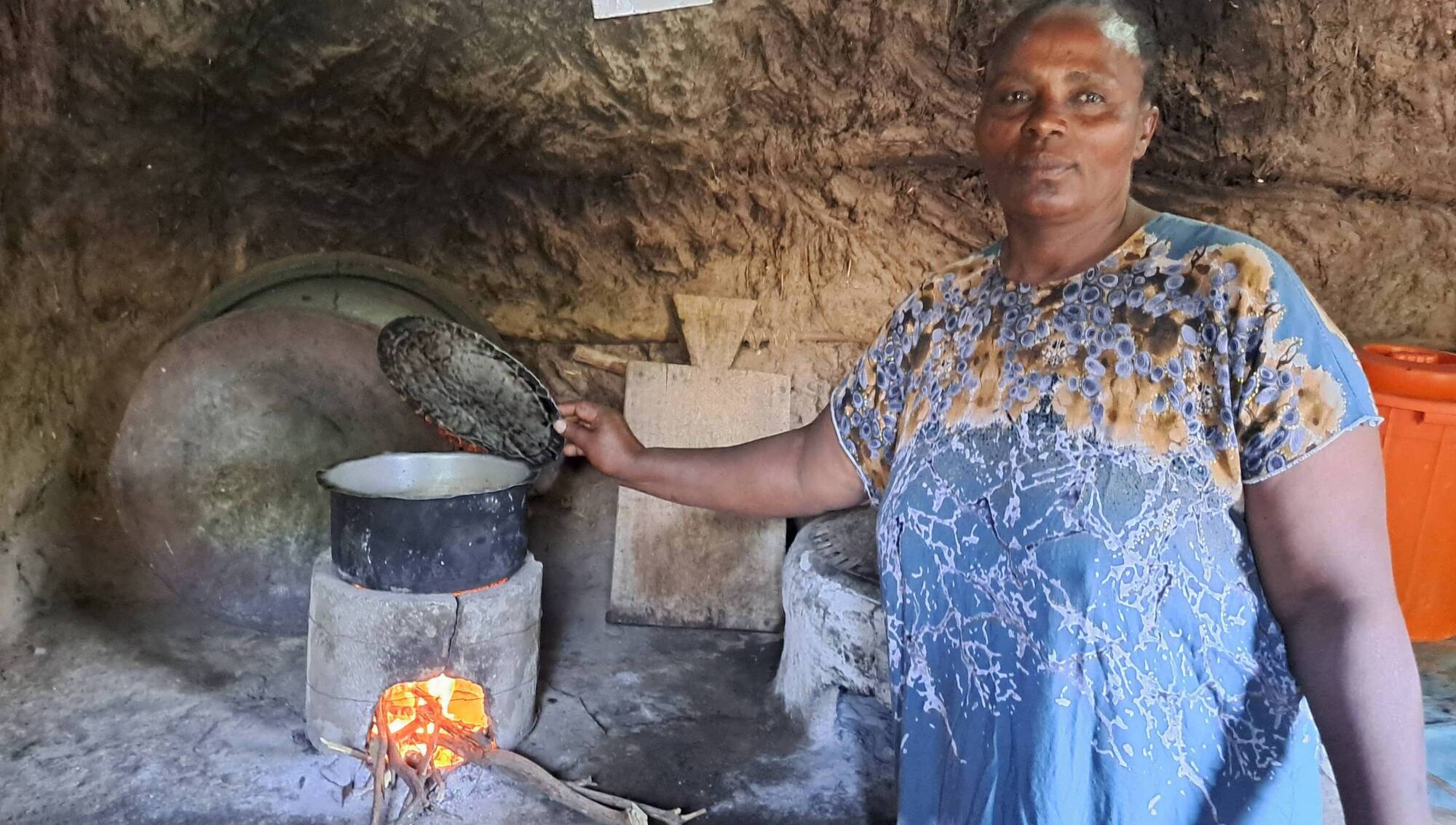
In Lante, Ethiopia, Aberech use to spend up to four hours a day collecting firewood. But with her new cookstove, she now has more time to earn an income and care for her family. Picture: Vita Impact
THE climate crisis is becoming more visible across Ireland and Europe, bringing reports and commentary about emissions targets, renewable energy, and infrastructure to the fore.
These conversations matter. But Vita Impact’s work with communities in Ethiopia and Eritrea has highlighted an effective climate solution which often remains invisible: Investing in women.
That may sound like a social argument rather than a climate one. It is both. The climate crisis is not only an environmental crisis, it is also a daily economic crisis, a health crisis, and a time crisis for families living closest to the land.
In Ireland, we still have the privilege to talk about this in global terms. However, for women in rural East Africa, climate is experienced in immediate and practical ways. It is the extra distance travelled to collect water during a drought. It is the longer journey needed to find firewood when nearby forests have been depleted. It is uncertainty that comes with erratic rainfall and reduced harvests. It is local and urgent.
Research from the UN highlights that women and girls are disproportionately affected by the climate crisis, particularly in communities where livelihoods depend heavily on local natural resources. In East Africa, women are responsible for providing food, firewood, and water for their families. We often hear their stories in terms of hardships and vulnerability, but far less about leadership.
In Ethiopia and Eritrea, Vita Impact has been supporting a practical model that combines three simple interventions — access to safe water, fuel-efficient cookstoves, and community forestry.
Delivered through local institutions and women-led enterprise, the impact is immediate and life-transforming.
Over the last 30 months, through a blended finance model of grants and investment, the Vita Green impact fund has empowered women to save more than 9.5m hours that were previously spent collecting firewood and water. Women-led cookstove co-operatives have created more than 300 jobs. More than €600,000 has been generated and reinvested in local communities. One million people now have access to safe water and cleaner cookstoves, and 247 hectares of useful trees have been planted. Some 430,000 tonnes of carbon emissions have been avoided. Those figures matter, but they only tell part of the story.
The true impact can be measured in something even more valuable: Time. The women we meet do not want to be passive participants in somebody else’s climate agenda. They do not want to be the subject of another story about poverty. They want to write their own story. They want to drive their own development.
I’m reminded of my friend Aberech, a mother of three in Ethiopia. Before getting her new cookstove, she could spend up to four hours each day collecting firewood — time she now spends earning an income, caring for her family, and just being around more. Aberech loves her new cookstove because her kitchen is cleaner now and her friends can visit, have coffee, and a chance to chat and complain about their husbands!
When women like Aberech gain those hours back, opportunities expand and the future opens up. Children, in particular girls, spend more time in school. Families spend less money on fuel. Women have greater capacity to earn an income and participate locally — which makes communities stronger.
The most successful initiatives are not imposed from outside. They are designed, managed, and championed by local women who understand exactly what their communities need.
Put resources in the hands of women and the benefits move through households and communities:
- Health improves because toxic smoke and water-borne disease is reduced. Incomes improve because women have more time and new enterprise opportunities;
- Forests recover because demand for firewood falls and community management becomes stronger;
- Resilience improves because families and society is stronger when the next drought or flood comes.
This has implications for how Ireland thinks about climate finance, overseas development, and the growing world of carbon markets.
There is a danger that climate finance becomes too abstract — a spreadsheet of emissions reductions, a certificate, a transaction. Carbon accounting is important. Standards and verification are important. But if we count tonnes of carbon and disregard the hours of women’s lives, our accounting is incomplete, not as human or tangible as it could be. The experience of women in Ethiopia is entirely tangible to us here in Ireland.
When they speak about their ambitions, we hear something profoundly familiar:
- They want security for their families;
- They want opportunities for their children;
- They want meaningful work;
- They have a voice and an opinion in shaping their future.
These are aspirations no different from those that motivated generations of Irish women. There is a thread connecting the women who transformed Ireland with the women transforming communities in Ethiopia and Eritrea today: Neither waited for permission to lead.
Across the world, there is growing recognition that women are among the most effective agents of environmental stewardship and climate resilience. Women play central roles in food production and natural resource management — yet often have less access to financial resources and decision-making power than men.
When women are trusted as leaders, communities are stronger, economies more resilient, and climate action more effective.
A fuel-efficient cookstove protects forests, improves health and saves money. Community forestry strengthens ecosystems while supporting livelihoods. Access to safe water liberates a woman from drudgery. Women-led businesses generate income while increasing resilience to climate shocks.
The gains are environmental, economic, and social all at once. Investing in women is not ‘an option’, it’s the smartest option.
As Ireland reflects on its role in tackling global challenges, we should broaden our understanding of what climate action looks like. Climate solutions do not always involve large-scale infrastructure projects or cutting-edge technology.
Sometimes they begin with something much simpler. Listening to women. Trusting women. Backing women. In the communities where we work, women are not waiting to be rescued. They are taking action. They are already holding together households, farms, and communities under enormous pressure. In the words of the immortal Tina Turner: They don’t need another hero. They can do it themselves, thanks. The question is whether climate finance and development investment are prepared to back them.
- Ciara Feehely is the head of communications and fundraising at Vita Impact, an Irish development organisation working on climate justice, social impact, and gender equality in Ethiopia and Eritrea

CLIMATE & SUSTAINABILITY HUB
CONNECT WITH US TODAY



Be the first to know the latest news and updates