Heatwaves and violence: Adding pressure to already dangerous situations

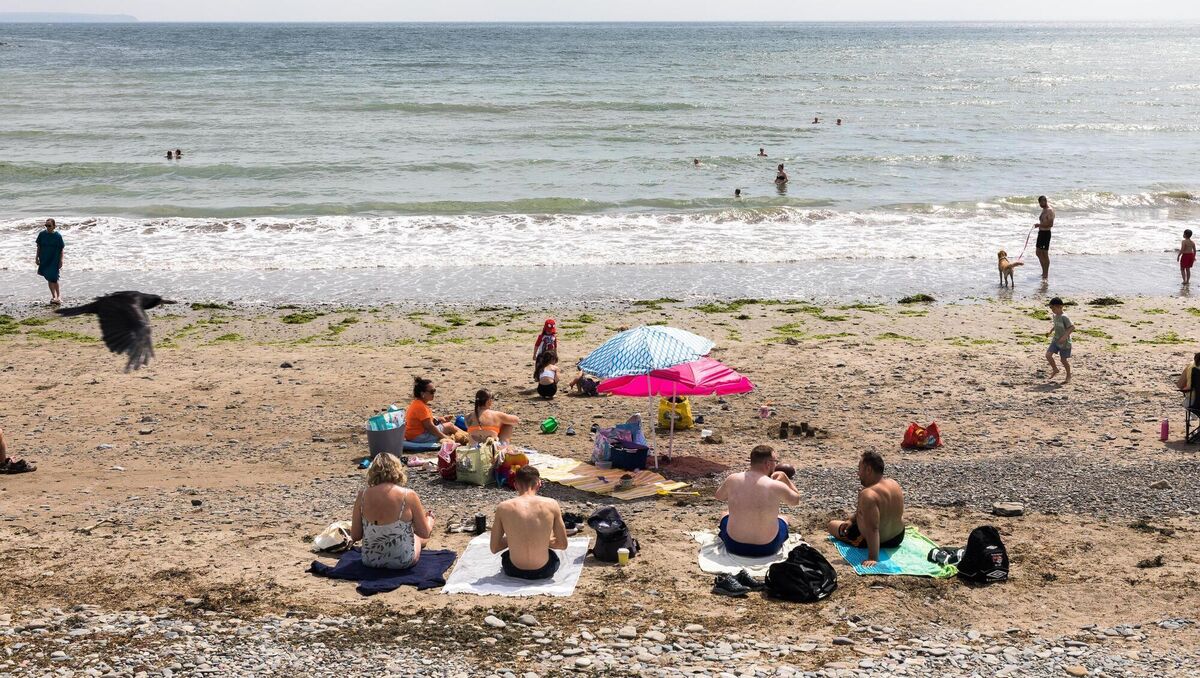
Most people respond to hot weather with ice cream, sea swims, shade, and mild complaining. File picture: Owen Humphreys/PA
This week’s news is dominated by two main themes: disturbing reports of serious violence and stories about the high temperatures in Ireland and across Europe.
First, violence. Without commenting on specific events, domestic violence is commonly driven by many factors, including coercion, control, misogyny, alcohol, drugs, and other circumstances.
None of these factors diminish personal responsibility or excuse violence in any way. No matter what the circumstances, responsibility for violence remains with the person who commits it. There are no excuses.
But when violent events take place during a spell of very warm weather, a broader public health question arises: does heat increase the risk of violence across society?
The answer, at population level, is yes. Heat does not make ordinary people violent. It does not turn kindness into cruelty. It does not explain away domestic abuse, murder, or assault.
Read More
But across large populations, higher temperatures are associated with increases in aggression, violent crime, intimate partner violence, and substance-related problems.
A recent systematic review of 83 research studies of temperature, crime, and violence found that higher temperatures are significantly associated with violence, especially violent crime.
A 10°C increase in short-term average temperature is associated with a 9% increase in violent crime.
Another major study examined intimate partner violence among almost 195,000 women in India, Nepal and Pakistan. It found that every 1°C increase in annual average temperature is associated with a 4.5% increase in intimate partner violence.
Similar results are reported from other countries. Again, this is not destiny. It is risk. Heat is not a cause. It is an accelerant. Domestic violence is primarily about coercion and control. Heat adds pressure to already dangerous situations.
The biology is convincing. Extreme heat puts the body into a stress state. The stress-response system becomes more active. Cortisol and adrenaline rise. Inflammation increases. Dehydration affects thinking.
Heat worsens anxiety, agitation, and irritability. It reduces concentration.
Sleep is particularly affected. When temperatures remain high overnight, sleep is shorter and lighter. Poor sleep is linked with worse mood, anxiety, frustration, impulsivity, and poorer emotional regulation.
It lowers the threshold for the discharge of violence. Heat also changes other behaviours. People drink more alcohol when they are warm.
Research shows that each 1°C rise in temperature is associated with a 5% increase in substance-related disorders. This does not mean heat causes addiction.
It means that high temperatures worsen alcohol and drug-related harm. Alcohol dehydrates the body, disrupts sleep, lowers inhibition, and increases risk-taking.
Again, none of this excuses violent behaviour in any way. Just as a person is fully responsible for any violence they commit while drunk, they remain fully responsible for any violent acts during a heatwave. There are no excuses.
But from a public health perspective, can we do anything to reduce the added risk of violence in a heatwave?
Two weeks ago, French authorities banned public alcohol consumption and sales in Paris during a certain period, in a bid to ease pressure on its hospitals while temperatures soared.
This was a smart, if dramatic move, that should reduce both hospital presentations and alcohol-fuelled violence. At the individual level, health advice should include a warning against alcohol while temperatures are high.
Dehydration is another key factor, so it is important to drink plenty of water and avoid direct sun, especially between 11am and 3pm.
We should take sleep more seriously: cooling bedrooms at night, closing curtains by day, and ventilating the house when the air is cooler.
From a psychological perspective, we should de-escalate tense situations with extra care when temperatures are high. No argument will be resolved in a heatwave.
Step away. Drink water. Cool down. Revisit the conversation when the room — and the people — are cooler.
There is an important balance here. We should not sensationalise heat or suggest that people are helpless before the thermometer.
Most people respond to hot weather with ice cream, sea swims, shade, and mild complaining. But public health is about small shifts in risk across whole populations.
The practical message is clear: heat affects the mind as well as the body. It can disturb sleep, worsen mood, increase alcohol problems, and lower the threshold for the discharge of violence in people already prone to it.
None of this excuses violence in the slightest. But greater awareness and taking these steps might just help us prevent some of it.
- Brendan Kelly is Professor of Psychiatry at Trinity College Dublin.

Check out the Irish Examiner's WEATHER CENTRE for regularly updated short and long range forecasts wherever you are.
CONNECT WITH US TODAY



Be the first to know the latest news and updates