I worked in Bessborough in 1996 as a student. So many questions came to me too late
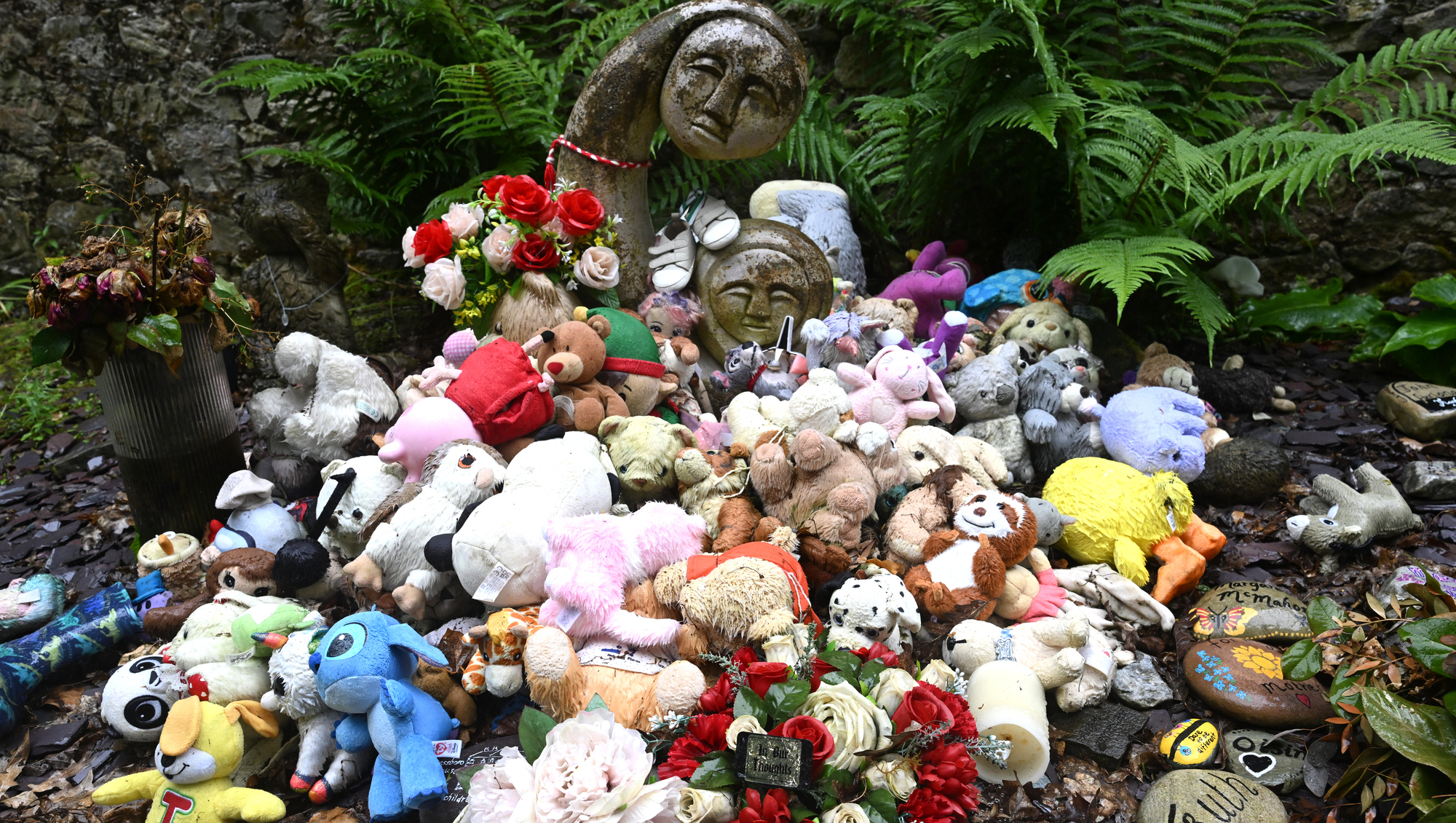
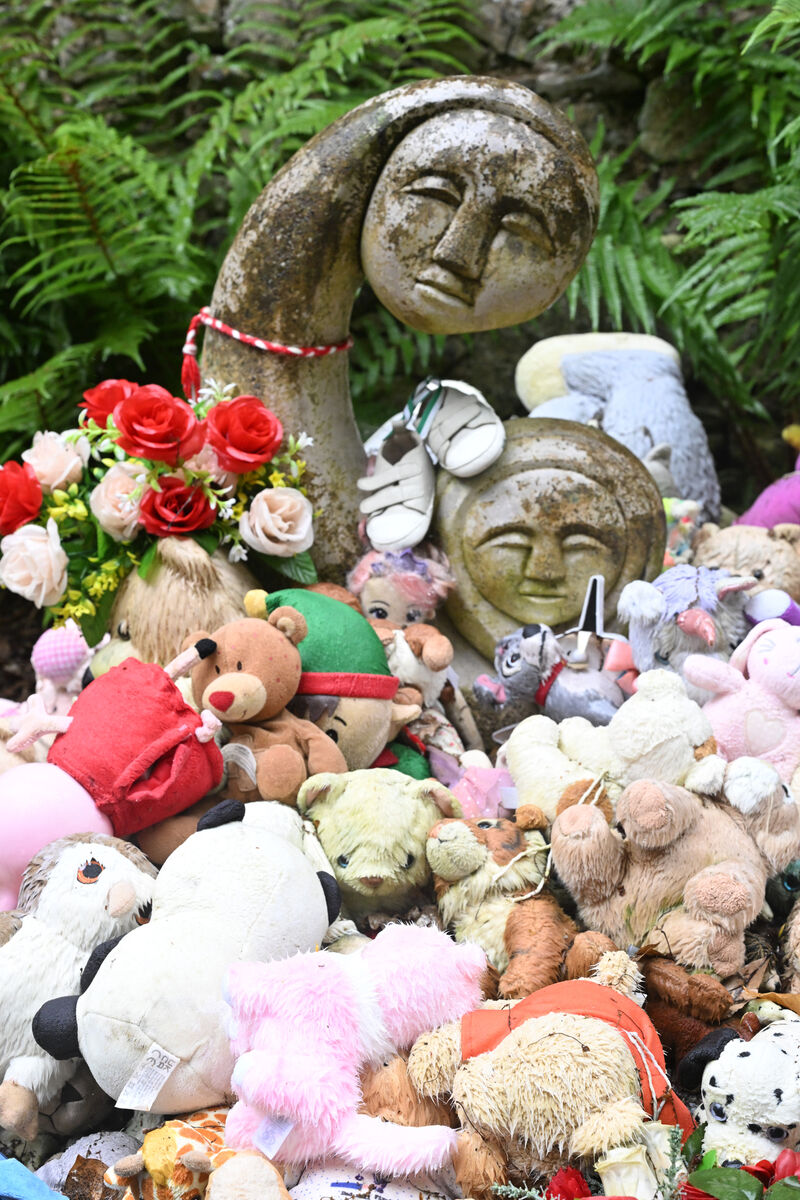
Child toys and painted stones placed in memory of those affected by the former mother and baby home at Bessborough in Cork. File picture: Larry Cummins
Every time I read about Bessborough on the news, I think of a little boy I once met there.
In 1996, I spent five weeks working in the children’s creche in the Bessborough mother and baby home as part of the Government of Ireland’s student summer scheme. In those days, students couldn’t claim unemployment benefit over the summer, instead, you worked for 200 hours for IR£3 (punts) an hour at one of the various companies or organisations that signed up.
It was the first time I had ever heard the word Bessborough and my first introduction to a mother and baby home in any meaningful way.
The creche was housed across three rooms that divided the children by age — babies, toddlers and older children — while outside was a grassy playground. It was run by an earnest lay woman who wore a crucifix around her neck and brightly coloured lipstick.
There were a number of other women whose names I’ve long forgotten but I remember her quite vividly. I especially remember her telling us to try to wear some colour rather than our traditional black for the sake of the children who were a mix of resident children and those who went home with the private clients.
Read More
We were deployed primarily to entertain the older children on the basis, I hope, that we weren’t childcare experts and that we hadn’t had any training or background checks for that matter. One of our colleagues was there discharging a community service order for a violent offence. Another, stationed in the baby room, was clearly struggling having miscarried twins a few weeks prior to our arrival.
We saw the private clients at drop-off and pick-up and we saw the resident mothers at their break times when they would come and stand at the side of the playground and snatch a quick cuddle. The resident mothers worked in craft workshops that were near the farmyard that the children would delight in visiting once a day. There was no access to the workshops, and I remember trying to steal a glimpse over a fence.
One particular child in that creche broke my heart. I’ll call him Conor — that wasn’t his name — and he was around four. A boisterous little boy with a fringe and freckled cheeks, Conor was stockier than the other boys and I remember his little brown corduroy trousers.
I remember those were the ones he was wearing when he had an accident one day because I washed both him and those little brown trousers. He stood in the sink chatting away as I washed him like it was a familiar routine, maybe.
I felt compelled to spend time with him and within a very short time he became affectionate and sweet, and I enjoyed seeing him smile and welcomed my first hug. He was a talkative little boy who was the spitting image of his mother who would come to say hello with the other mums at lunch time.
What broke my heart about him wasn’t that he had lived his short life under the control of the nuns nor was it because I feared for his future. I was truly ignorant of what his situation meant. What broke my heart about him was the stories he would tell people about his father.
One day his daddy was a fireman, another a bus driver. I overheard him recounting these different CVs a few times before I realised that this baby was trying very hard to conjure up a persona for his absent father.
When the report into the mother and baby homes came out in 2021, my friend and I exchanged messages about our time there and wondered how we didn’t realise. Both of us left it before our allotted time was done. We ran down that long driveway and panicked when the manager drove past us, sure she would try to stop us.
We might not have known what exactly was going on there, but we knew enough to want to run away from the place. Even then though, our conversation didn’t centre on the fate of children we encountered or that of their mothers.
Back in 1996, we knew that people serving out community service for violent offences probably shouldn’t be looking after children, or talking loudly around them about visiting a boyfriend “down in Spike”, ie in prison. We also knew it was a very bad idea to have a woman who was so obviously struggling after the loss of her own twins by miscarriage, looking after babies.
How she could bear to be around living reminders of her own loss was beyond our comprehension. I shudder when I think of her telling us about losing her babies in the tiny kitchen while we ate our packed lunches. She was broken. Openly crying.
The kitchen was down the high-ceilinged corridor from the crèche. That part of the building was older. The walls were thicker, ceiling higher and the kitchen itself was narrow and windowless.
She said she had lost her babies two weeks previously. It’s only recently that I began to wonder how she came to be back at work so soon after such a loss, and whether anyone was looking after her. Those questions never crossed my mind at the time.
To those who didn’t grow up in Ireland, it must be a very hard sell to believe that we didn’t know what was going on behind those doors but it’s true of the majority of the population who had no direct exposure to this horrific practice. The code of silence was symptomatic of the collective coercion.
The power the Church had was all pervasive and its teachings around guilt and shame were literally crippling. There were no safe spaces to speak the truth, and people wouldn’t have known what to say even if there had been.
Instead of human rights abuses they might have described the nuns as cold or unfair. Instead of physical and emotional torture, they might have said it had been brutal, a word that we might also use colloquially to describe something as trivial as a bad singer.
Back then, the actions of the Church hadn’t even been correctly labelled. Is it abduction if your mam and dad drop you at the door? Is it a conspiracy if the priest recommended it as best for the family? Is it medical mistreatment if it wasn’t in a hospital? Was it slavery if it was earning your keep?
I have taken some time to examine my own culpability, or at least my part within the collective culpability of Irish society in 1996 when I came so close to it. With stronger determination or more information, could I have done anything to change things for little Conor?
The honest answer is that maybe I could have tried to visit him after my time came to an end but maybe I turned a blind eye because it was easier. Maybe I told myself that it was just a summer job and to enjoy the rest of my summer.
The proposal to build homes at Bessborough represents a continued dehumanisation of the site’s history, and that it has survived this long in the planning process reflects poorly on those who have advanced it. The outpouring of hurt and anger is a fraction of the total amount due when so many of the victims go unrepresented.
I hope that justice and decency prevail on July 9. That one little boy has left a huge mark on me, but he was just one of so many innocent babies whose lives were impacted, damaged or that ended at Bessborough.
To the decision-makers at An Coimisiún Pleanála, I say this: You have an opportunity to do the right thing here. You can send a message to the victims and their survivors that their suffering has been acknowledged and is respected.
I urge those at An Coimisiún to ask themselves: will this decision be remembered as one more indignity visited on this site, or as the moment when an institution of the State insisted on recognising the value and dignity of the nearly 1,000 innocent victims in question?
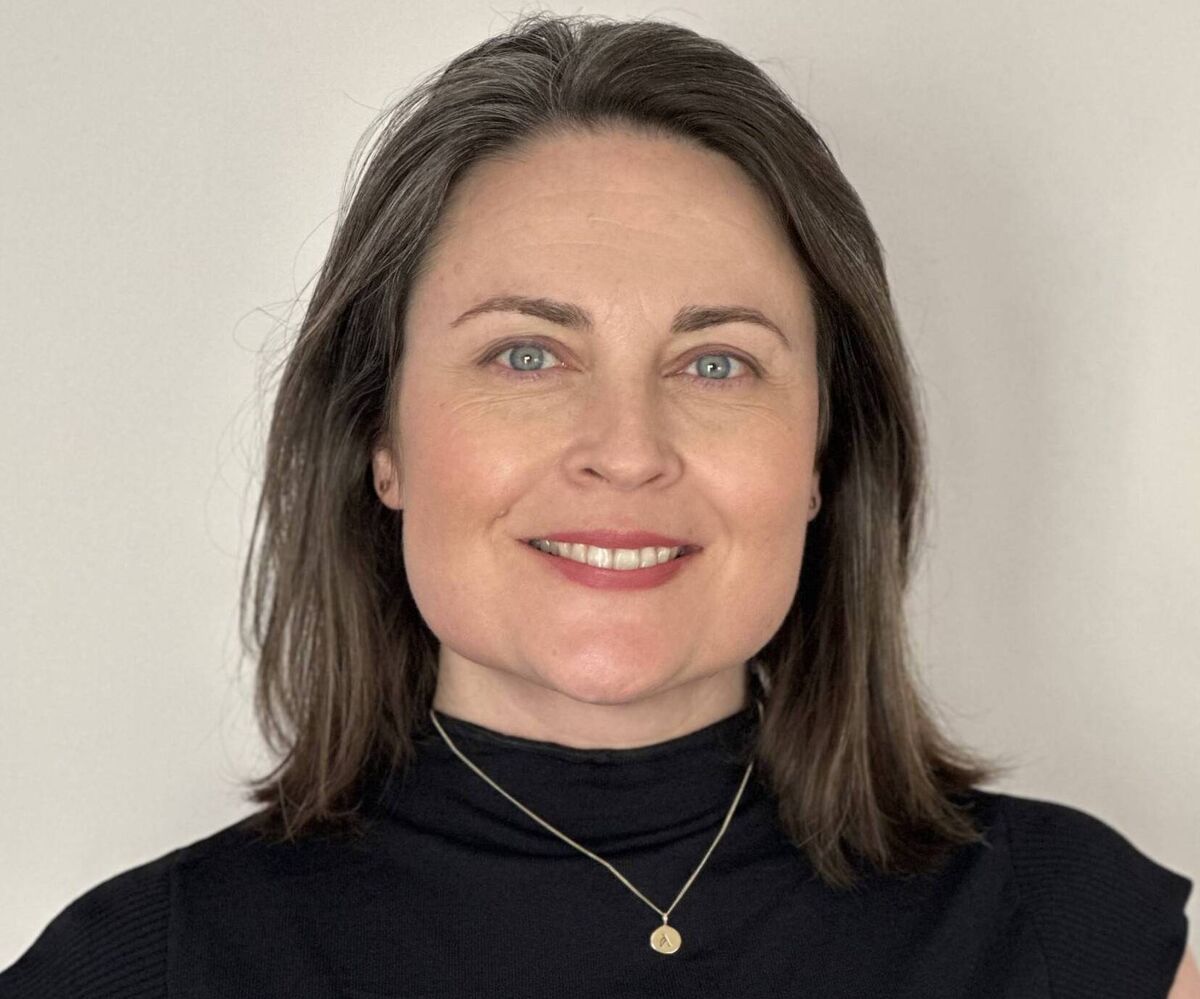
- Audrey Hackett grew up in Cork, graduated from UCC in 1998, and now runs a UK-based ESG advisory serving renewable energy and green technology companies.
CONNECT WITH US TODAY



Be the first to know the latest news and updates