Privacy is the ultimate luxury for Taylor Swift and Travis Kelce
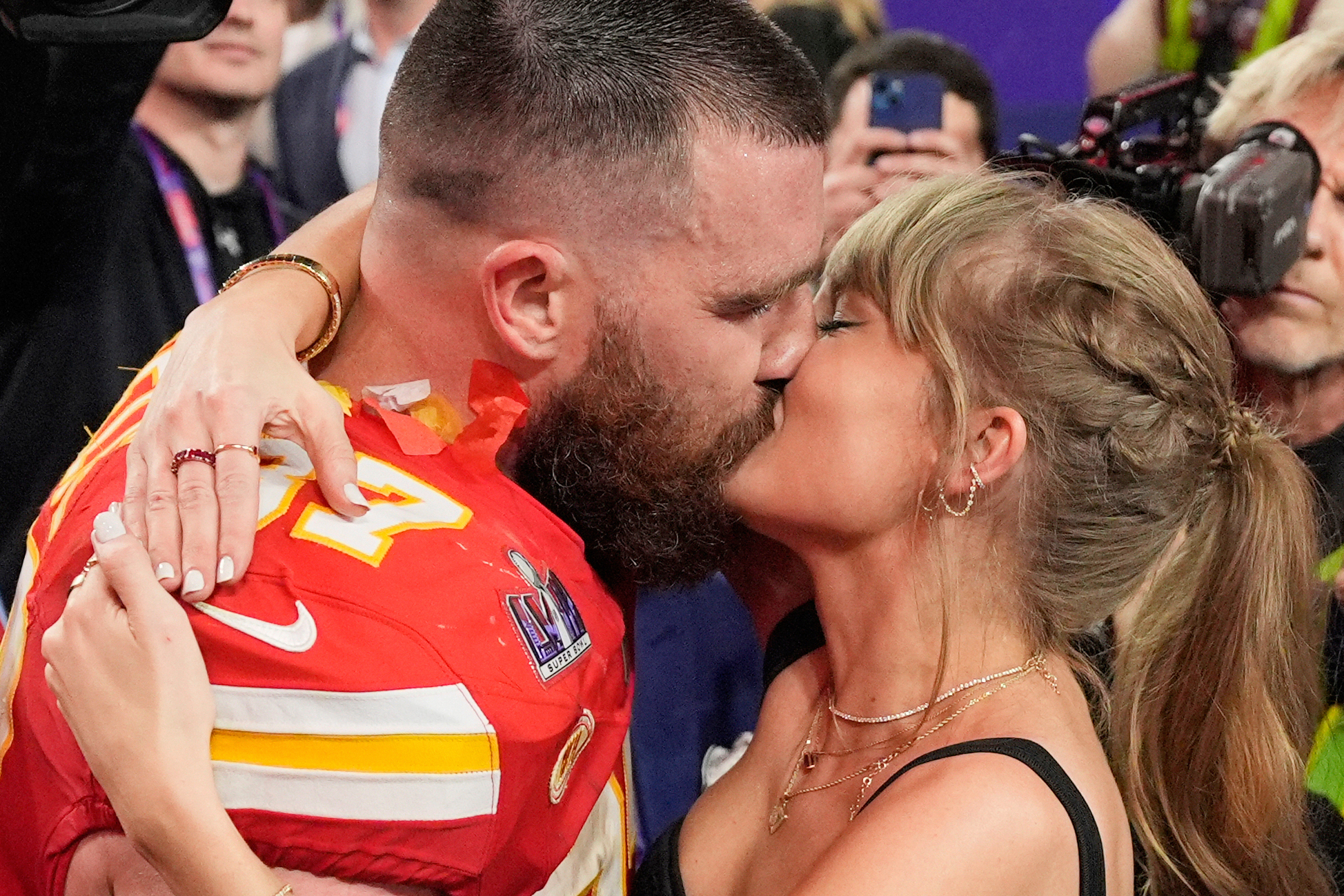
Maybe Travis Kelce and Taylor Swift will sell out, but if Taylor knows her intellectual property legal history, which she does, she will know that path is treacherous. File photo: AP/John Locher
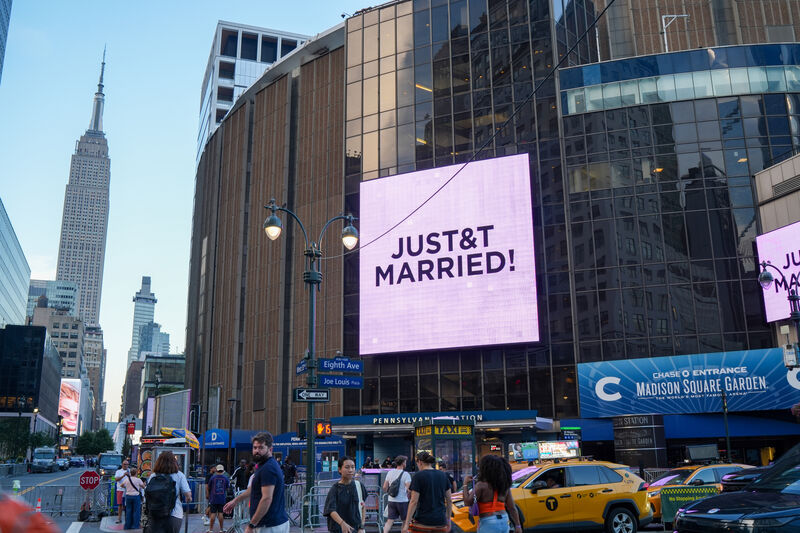
It has been the best part of a week since the wedding of Taylor Swift and Travis Kelce and, at the time of writing, we know next to nothing about it.
We don’t know what they ate, what the mothers wore, what the dress looked like. We don’t even know what neckline it had. This is astonishing when you consider that thousands of people attended and worked at the event, that the newlyweds will have been offered enormous sums for “exclusive” content, and that we live in the era of the overshare and monetised attention.
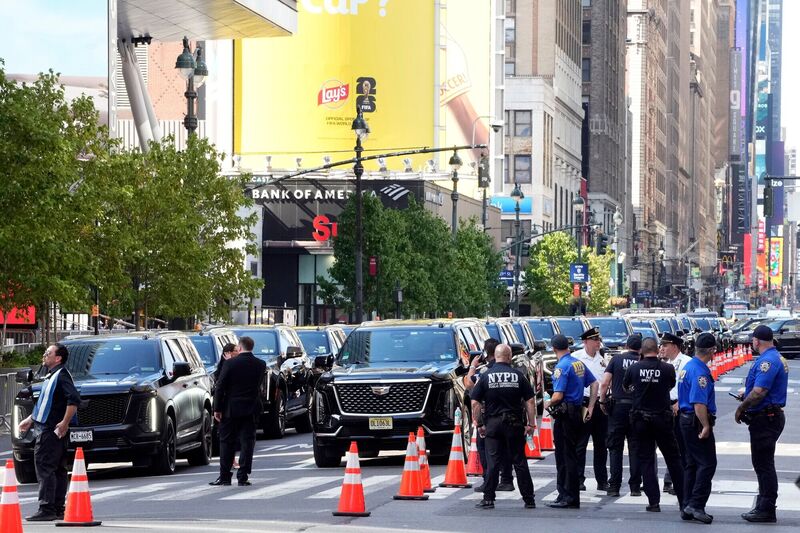
But what a power move, what a flex, to be right there in Madison Square Gardens and able to revel in the ultimate luxury; privacy. Forget finding out who made the cake, I want to know who the happy couple’s law firm is.
I know what we don’t know about this wedding, because the algorithms know that I really, really want to know. My Instagram feed has been serving me the demure, no-names-mentioned outfit photos by wedding guests like Lena Dunham and Selena Gomez, the grainy paparazzi photos of celebrities in black SVUs and yes, the faked AI-generated images that the BBC has felt compelled to debunk.
The lack of leaked information is astounding. The wedding was private, but it was not secret. There were over a thousand guests, many of whom are the kinds of people who document their lives online as if it is their job, because for most celebrities, regardless of their field, it is. Yet most of them have been exceedingly coy about their participation.
Think also of the thousands of workers who were needed to make the day possible and who could sell their story; food servers, cooks, kitchen porters, dish washers, carpenters and stage builders, florists, sound and lighting technicians, plus legions of security workers, bag checkers, drivers, seamstresses and cleaning staff.
Loyalty may be part of what is happening here. Taylor’s multi-billion dollar empire of music, merch and concerts is run as a family business with both her parents and her brother working behind the scenes. She has had the same band members and back-up singers since she was a teenager, the same publicist for 12 years.
Financial generosity helps breed this loyalty; she distributed nearly $200 million in unexpected bonuses to those who worked with her on her record breaking Era’s tour, including the riggers, caterers and truck drivers.
But we cannot overlook the likely involvement of legal firepower. Graham Norton had to backtrack from his “joke” that he had been asked to sign multiple NDAs in order to get an invite. But we know that Taylor knows the law, and knows how to use it.
Ten years ago, when asked by for advice for anyone wanting to become a singer, she replied without hesitation, “get a good lawyer”.
A year earlier she had been sued by a man who had lost his job when Swift alleged to his employer that he had assaulted her by putting his hand up her skirt during a photo meet-and-greet. Taylor then countersued for the assault, demanding a public jury trial, and seeking a $1 nominal settlement. She won both cases.
She also fought, and won, a lengthy legal battle to own the master copies of her music. That fight may have brought her into contact with the story of the Wu-Tang Clan’s myth-making album .
The 33-track album, finished in 2013, was an act of protest at how the internet was cheapening the value of music. After spending six years secretly making this new music, the band only pressed one copy of the album on CD and locked it in a Moroccan vault without letting anyone hear it in full.
The Guinness Book of Records certified in 2015 that, despite or perhaps because of its inaccessibility, it was the most valuable music album ever created. Perhaps, in an era of overexposure, Taylor and Travis want to Wu-Tang Clan their wedding day.
Secrecy around celebrity weddings is not anything new, but it tends to be connected to contractual exclusivity, not actual privacy. Millennials like myself and Taylor grew up in the era of famous people protecting their weddings in order to secure lucrative content partnership deals.
Posh and Becks were pioneers, selling exclusive photos of their Big Day to OK magazine for £1million. Kim Kardashian later cashed in on her first wedding with a $1.5 million photo deal with People Magazine, adding a separate TV special, Kim’s Fairytale Wedding: A Kardashian Event. She even reportedly got a $50k sponsorship deal for her bachelorette party.
It is not always about the money; sometimes it is just the reputation boost and attendant social value that events like weddings can bring. Even Jeff Bezos, one of the world’s richest men, couldn’t resist the urge to sign an exclusive photo deal with magazine for his opulent Venice wedding, with the internet saturated with images of the weekend-long event for weeks.
A friend of mine who has written a few books talks about how her goal is to reach the level of success where she never has to post about anything online ever again. Where she no longer has to build a personal brand, or get income from deals with other brands.
Looking at her career trajectory, perhaps Taylor Swift has made the same calculation. Once a hyperactive user of Twitter, Instagram and Tumbler, she now mostly doesn’t bother, except to occasionally sell something she directly benefits from.
In an age of the creator economy and brand partnerships, hyper surveillance and monetised attention, invisibility and privacy are the ultimate luxury. The blank space where a wedding photo would be is the ultimate symbol of both status and enforcement power. And to pull it all off right there in downtown Manhattan, that is how you make a statement.
Taylor and Travis may still announce a photo, TV or other deal for their photos. Taylor Swift does have, after all, multiple pieces of content that she has released via a partnership with Disney+. But they would do well to learn from the last part of the story.

After a couple of years, the Wu-Tang Clan sold that single two-CD album via auction, adding a proviso that it couldn’t be copied and performed publicly for 88 years. They netted a reported $2 million in the deal.
But the purchaser turned out to be infamous pharma bro Martin Shkreli, who told he was considering just destroying it, and would go on to both livestream it on Twitter, and have the album seized following a conviction for securities fraud. It has since been re-sold, and is now connected to a complicated Non Fungible Token (NFT) scheme.
So maybe they will sell out, but if Taylor knows her intellectual property legal history, which she does, she will know that path is treacherous. The question is more likely whether they choose to share photos their own way, or to lock them in a vault, and flex all of that financial, cultural and legal power.
She may have warned us of this on her recent album, reciting her married life wish list: “We tell the world to leave us the f*ck alone, and they do”.


CONNECT WITH US TODAY



Be the first to know the latest news and updates