Medicine is changing as patients get older and sicker
The uncertainty makes the decision to send a patient to the emergency department a lot more complicated.
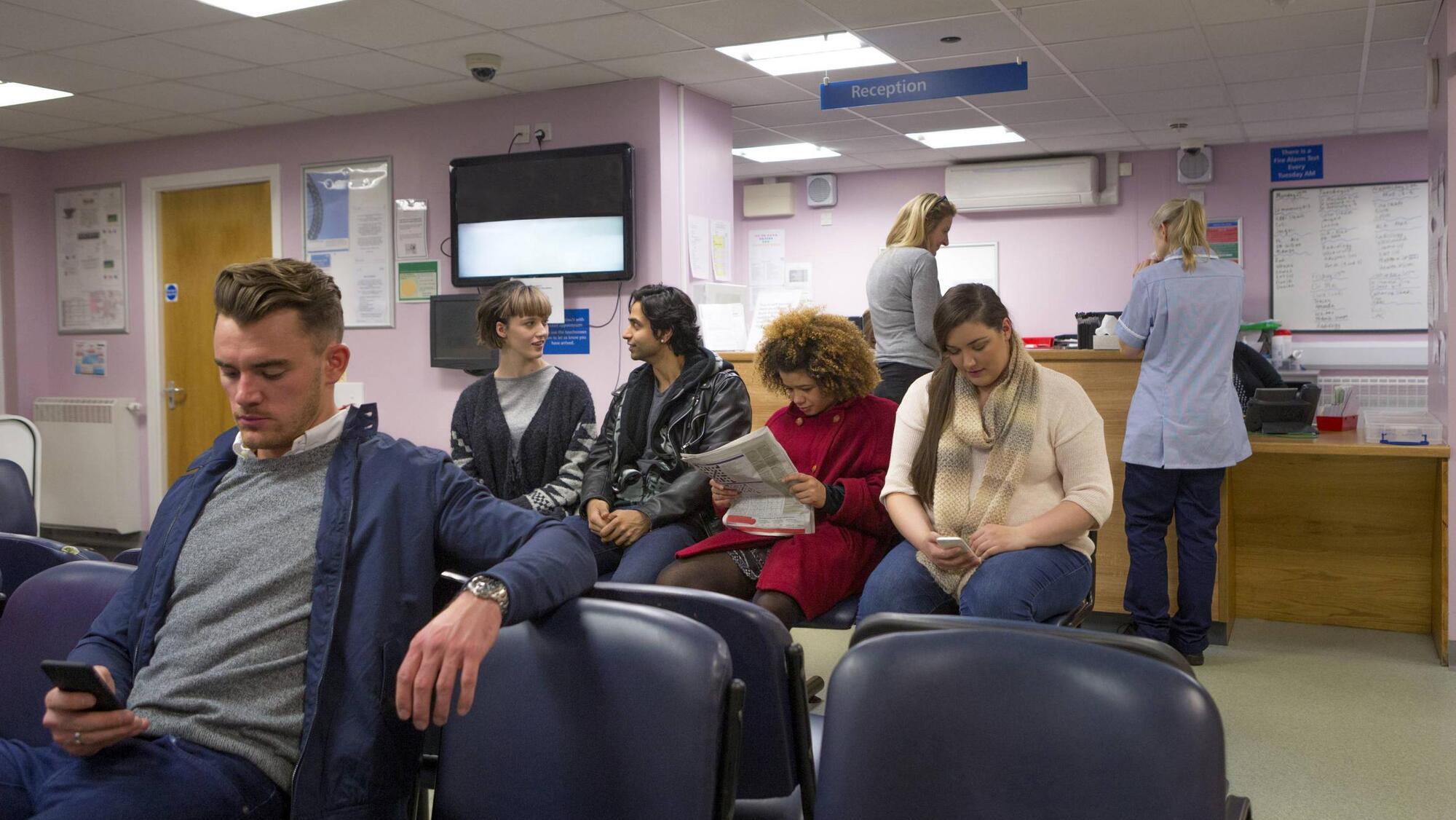
The waiting room is not what it used to be. Much has changed in general practice. It used to be a place where doctors could mostly filter out the less serious cases and buffer their patients from the more complex problems.
But now, it's right in the middle of all the chaos. Patients are coming in earlier (or later), sicker, or with stranger symptoms, and sometimes many of these things happen at the same time. The familiar patterns of the past, like the usual coughs and colds, urinary tract infections, and childhood fevers, are still there, but they've been pushed aside by more complicated and uncertain cases.
It's like the old rhythms of general practice have been disrupted by a new, more complex beat. Doctors have to be ready for anything, and to handle cases that are more layered and more challenging than ever before.
The uncertainty is a big deal. It makes the decision to send a patient to the emergency department a lot more complicated. It's not just a simple yes or no choice. Instead, it's a tough call that doctors have to make under a lot of pressure.
They have to think about the risks, their own experience, and the limits of the system. And then there's something else that's hard to put into words, a kind of instinct that comes from years of doing this work.
Start with multimorbidity. It’s everywhere. The neat, single-diagnosis patient has become the exception rather than the rule. A patient with breathlessness isn’t just breathless. They have COPD, heart failure, diabetes, mild cognitive impairment, and a medication list that reads like a small pharmacy.
Each condition interacts. Each drug muddies the water. Each symptom becomes harder to interpret.
When you add frailty to the mix, things get even more complicated. It's not just about how old someone is, but also how vulnerable their body is. A small infection can quickly turn into a big problem, like delirium.
And if they fall, it's not always just a simple “mechanical” issue — it may well be a manifestation of an underlying metabolic, neurological, endocrine, or cardiovascular problem. Balanced clinical judgement is critical, because the room for error gets smaller and smaller.
Time is a big issue here. Increasingly, doctors have very little of it. We usually only have 10 minutes, or sometimes even less, for each patient. In that short time, we have to do a lot of things.
We need to ask questions to understand the patient's history, perform an examination, try to converge on what's likely wrong, decide how serious it is, talk to the patient about it, write it all down, and make a decision about what to do next.
All of this has to happen while there are other patients waiting and the phone is ringing. It's a lot of pressure and is inherently stressful. The whole system is moving fast and there's a lot of background noise, making it even harder for doctors to focus.
The real issue now is, who can be managed in the community and who needs onwards acute/emergency referral? It sounds simple. It isn’t.
Emergency departments (EDs) across the country are under pressure. That’s an understatement. Overcrowding, access block, staffing constraints — these aren’t abstract issues, they’re daily realities for most of us working in emergency medicine.
GPs hear it from patients who’ve waited hours to be seen, and sometimes days on a hospital trolley waiting for an in-patient bed. And yet, when faced with uncertainty, risk wins.
No doctor wants to send a patient to the ED unless it's really necessary. This can disrupt the patient's care and make it harder for them to get the help they need. Their care gets broken into pieces and it's not good for the patient.
Also, EDs are invariably very busy and overwhelmed, which can be scary for some patients. But if a doctor doesn't send a patient to the ED and the patient gets worse, that's a big problem.
So, the number of ED referrals is inevitably rising. The truth is, things have changed. The patients are different now, and they're often sicker.
A referral that turns out to be benign isn’t necessarily wrong. It reflects a threshold at which safety was prioritised over certainty. Retrospective clarity is a luxury. Prospective decision-making is not.
We have to make a lot of small decisions every day, and each one can have serious consequences. There is also the emotional toll of dealing with unexpected outcomes, like when a patient's condition suddenly gets worse despite our best efforts. Near misses can leave a lasting emotional impact on doctors, making our job even more challenging.
Better integration. Real-time access to diagnostics in the community would shift thresholds. Rapid access clinics, properly resourced and genuinely accessible such as the Mater’s emergency department, could absorb a portion of the grey-zone referrals — patients who don’t clearly need admission but can’t safely wait.
Communication matters. Direct lines between GPs and EDs — not just for referrals, but for discussion, can refine decision-making. A quick call can prevent an unnecessary attendance or expedite a necessary one.
Feedback is crucial in healthcare. It's not about finding fault or oversimplifying things, but about giving useful information. What was the outcome for the patient sent to a specialist? What was the final diagnosis? Were there any early warning signs that could have been understood in a different way?
This process isn't about assigning blame, it's about fine-tuning our approach and making adjustments as needed. By examining what happened, we can learn and improve, which is essential for providing the best possible care.
And then there’s capacity. The uncomfortable truth. As long as EDs remain under-resourced relative to demand, the tension will persist.
There's no easy answer.
It all comes down to one thing: the patient. You're in a consultation room, face to face with someone who might be really sick, and you have to make a decision about what to do next. It's not about numbers or systems, it's about helping that person in front of you.
That moment has always been tough but now it feels even more overwhelming.
When a patient is referred to the ED, it's not just a medical question that comes with them. It's the weight of a decision made quickly, without all the facts and no guarantee of what will happen next.
The doctor who sent them has already thought about how serious the situation is and what might happen if they're wrong. This decision is made in a short amount of time, with only the information they have at that moment, and without being able to completely prepare for every possibility. It should be approached with that consideration in mind.
Not every referral will be perfect. That’s an unrealistic standard in an imperfect system. But most are made with care, with thought, and with the patient’s best interests at heart.
We’re all working in the same current. The flow has changed. The water is faster, deeper, less predictable. Now we need to work through this as a team.
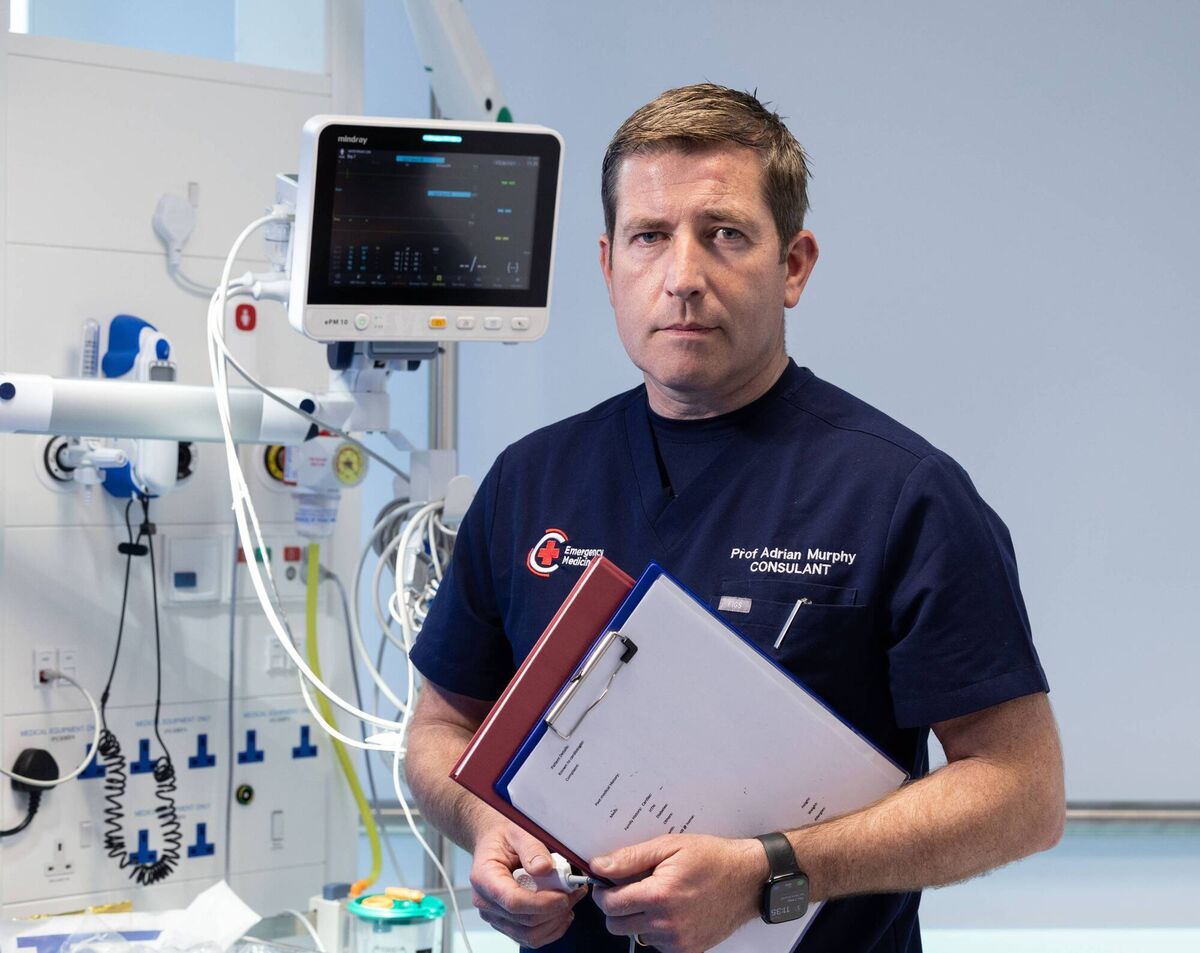
- Professor Adrian Murphy is a consultant physician in emergency medicine at Mater Private Network Cork’s Emergency Department and CUH.
CONNECT WITH US TODAY



Be the first to know the latest news and updates