'Every effort must be made' to provide prostate cancer drug to public patients
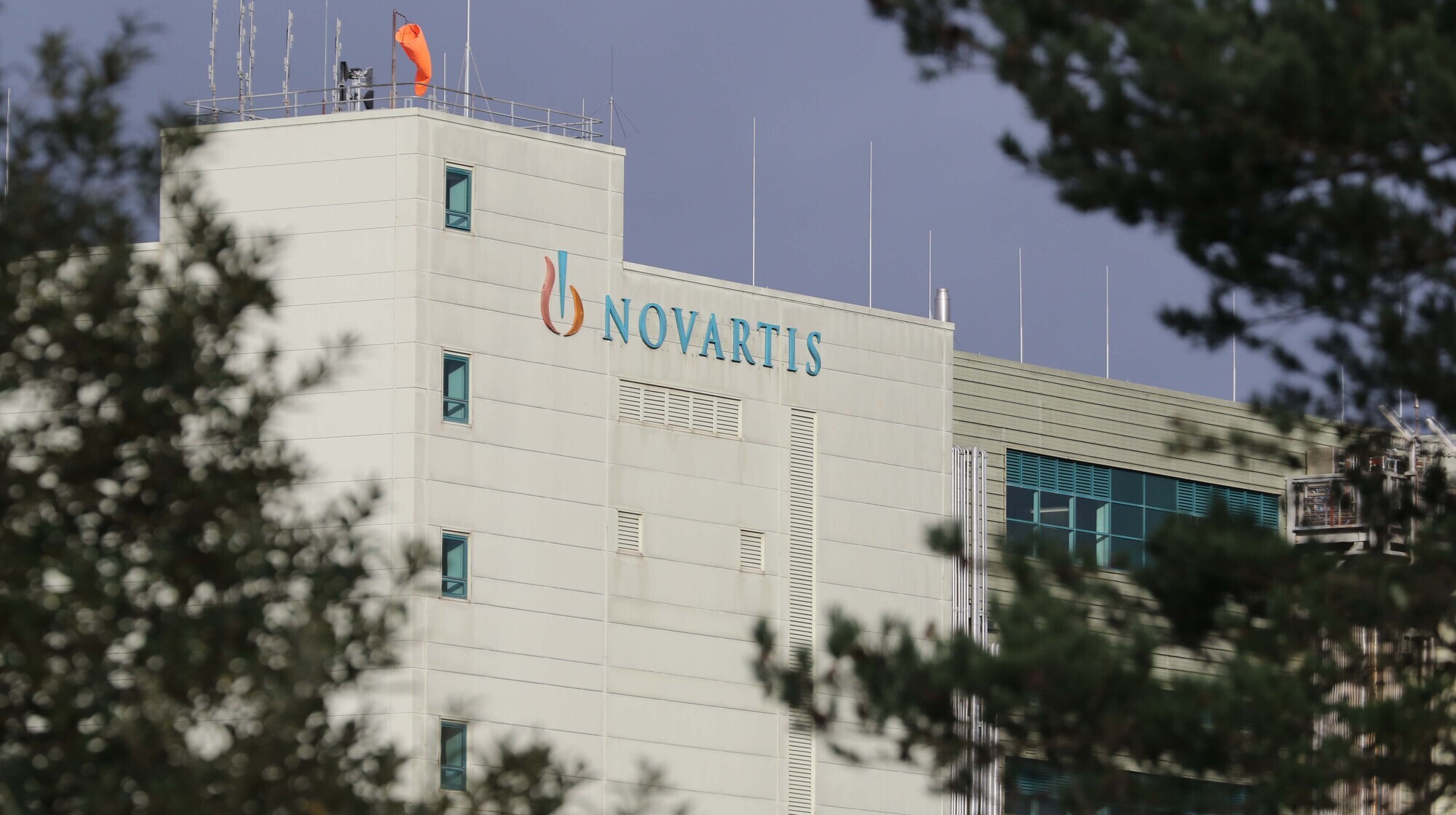
On May 5 this year, the HSE wrote to Novartis, the manufacturers of Pluvicto to inform them of the HSE senior management team’s proposed decision not to reimburse Pluvicto for adults with progressive metastatic prostate cancer. File picture: Jim Coughlan
Calls have been made for the HSE and pharmaceutical company Novartis to work together so a new prostate cancer treatment can be approved for public patients.
Pluvicto benefits men with advanced prostate cancer. It is a radioligand therapy and has been authorised in Europe since 2022.
Any new drug or treatment approved by the European Medicines Agency must then be individually approved for member countries. This can only be done after a pharmaceutical company approaches each national health body.
On May 5 this year, the HSE wrote to Novartis, the manufacturers of Pluvicto. It informed them of the HSE senior management team’s proposed decision not to reimburse Pluvicto for adults with progressive PSMA-positive mCRPC, referring to metastatic prostate cancer.
However, information released in response to a parliamentary question now shows the process continues. On Monday, Suzanne Doyle at the HSE Primary Care Reimbursement Service said there is now an update.
Read More
“The applicant has submitted representations on the proposed decision to the HSE, which remain under consideration,” she said. “The HSE cannot comment on potential outcomes pending the notice of proposal and representation process.”
In the update released to Fine Gael TD Colm Burke, she said the HSE assesses all new medicines on various grounds "to make sure that it can stretch available resources as far as possible and to deliver the best value in relation to each medicine and ultimately more medicines to Irish citizens and patients".
About 4,000 men are diagnosed with prostate cancer in Ireland every year.
Mr Burke said: "This medication is already being used for private patients in Mater Hospital. “It has also received approval and is being used for treatment of patients in a number of EU countries.”
He called for talks, saying: “Every effort must now be made by both the Novartis and the HSE to come to a compromise so that this drug is made available for patients who would greatly benefit.
“It has been established that the use of Pluvicto for a particular group of patients with prostate cancer does have a positive outcome for them”.
Last year, almost 40 cancer doctors in Ireland wrote to the HSE asking for the initial talks to continue around pricing. “Clinicians worldwide involved in caring for these patients regard (Pluvicto) as a significant breakthrough therapy for patients with advanced disease,” the letter stated.
“It offers the potential to prolong life, delay disease progression, and improve or maintain quality of life even in patients with very advanced disease. In many countries, it is already considered standard of care treatment in these patients.”
They raised concerns about “inequitable access” and "a two-tiered system" as patients with the funds can pay for it here through the private healthcare system. They said this “goes against many of the key principles set out in the Sláintecare programme”.
The oncologists said radioligand therapy is likely to change the face of prostate cancer treatment. Novartis was approached for comment.


CONNECT WITH US TODAY



Be the first to know the latest news and updates