Paul Hosford: Eviction ban back on agenda as homelessness crisis becomes impossible to ignore
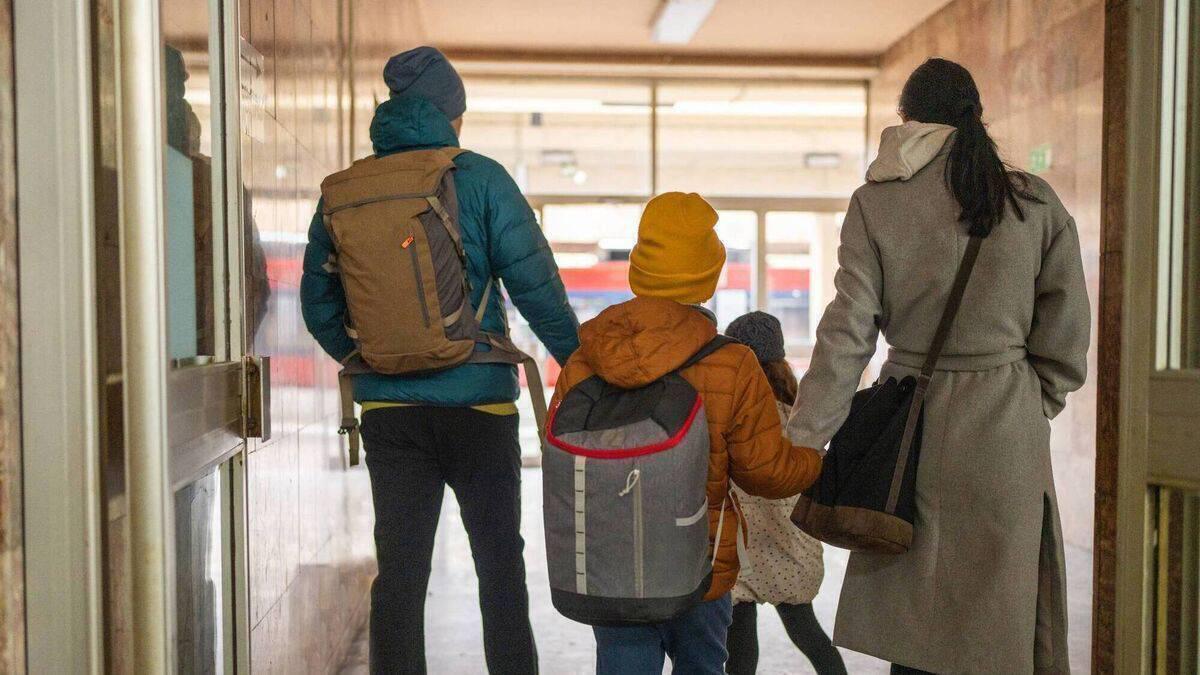
The most recently published homelessness report confirmed 17,458 people were living in emergency accommodation.
The latest iteration of the Government's housing plan contains a strand on ending homelessness.
This is to be done in a number of ways. The Government says there will be a “focus on ending homelessness and providing the housing supports needed for older people, disabled people, and Travellers to achieve long-term secure housing that meets their needs”.
One way this will be done, it says, is by delivering 300,000 homes as the plan recommits to ending homelessness by 2030. A fund of €100m will be created in 2026 to acquire second-hand properties to house families who have been living in emergency accommodation for a prolonged period.
However, in the months since the plan was published, the number of people in emergency homeless accommodation has risen by 600, and the housing minister, James Browne, has accepted the issue will continue to be a challenge for years to come.
The most recently published homelessness report confirmed 17,458 people were living in emergency accommodation. The figure does not include people sleeping rough or couch-surfing.
That reality is addressed in a new report by the Oireachtas Joint Committee on Housing.
The committee, which has been meeting with witnesses for months, has produced a report containing 14 recommendations. These include a “greater focus on prevention”, and keeping all options under review, up to and including an eviction ban.
Read More
However, the latter point was one on which Government and opposition members of the committee differed.
While Sinn Féin’s Eoin Ó Broin sought to avoid framing the report’s launch as a difference of opinions, the fact a committee with a Government majority included a recommendation for a ban at all was a surprise.
Committee chair Micheál Carrigy (Fine Gael) and vice-chair Séamus McGrath (Fianna Fáil) both expressed confidence in the Government’s actions on homelessness, saying they believe it could be ended by 2030 on the current trajectory.
That raises the question of why the report was needed at all — if the problem is on course to be resolved, surely it follows that little else needs to be done?
Mr Carrigy and Mr McGrath, while diplomatically backing their Government colleagues, were not attempting to airbrush reality.
Homelessness has become acute and intractable in Ireland and neither tried to downplay its seriousness.
Many of the committee’s 14 recommendations are sensible and grounded in evidence from those working in the sector, including increased funding to prevent homelessness in the first place through schemes such as the tenant-in-situ programme, which sees local authorities purchase homes from landlords.
But the mention of an eviction ban, last in place during the covid lockdown years and the months following, puts back on the agenda an idea to which the Government has been deeply resistant — even if the Government party representatives on the committee say they do not believe a ban would work.
That a committee headed by two TDs from Government parties would release a report tacitly critical of the Government's inaction on homelessness is not a bombshell.
But it is an indication the crisis has grown to a point where it is completely undeniable to anyone, which is the way it should be.