Church and State tried to silence us, but Gen-X women had new tools
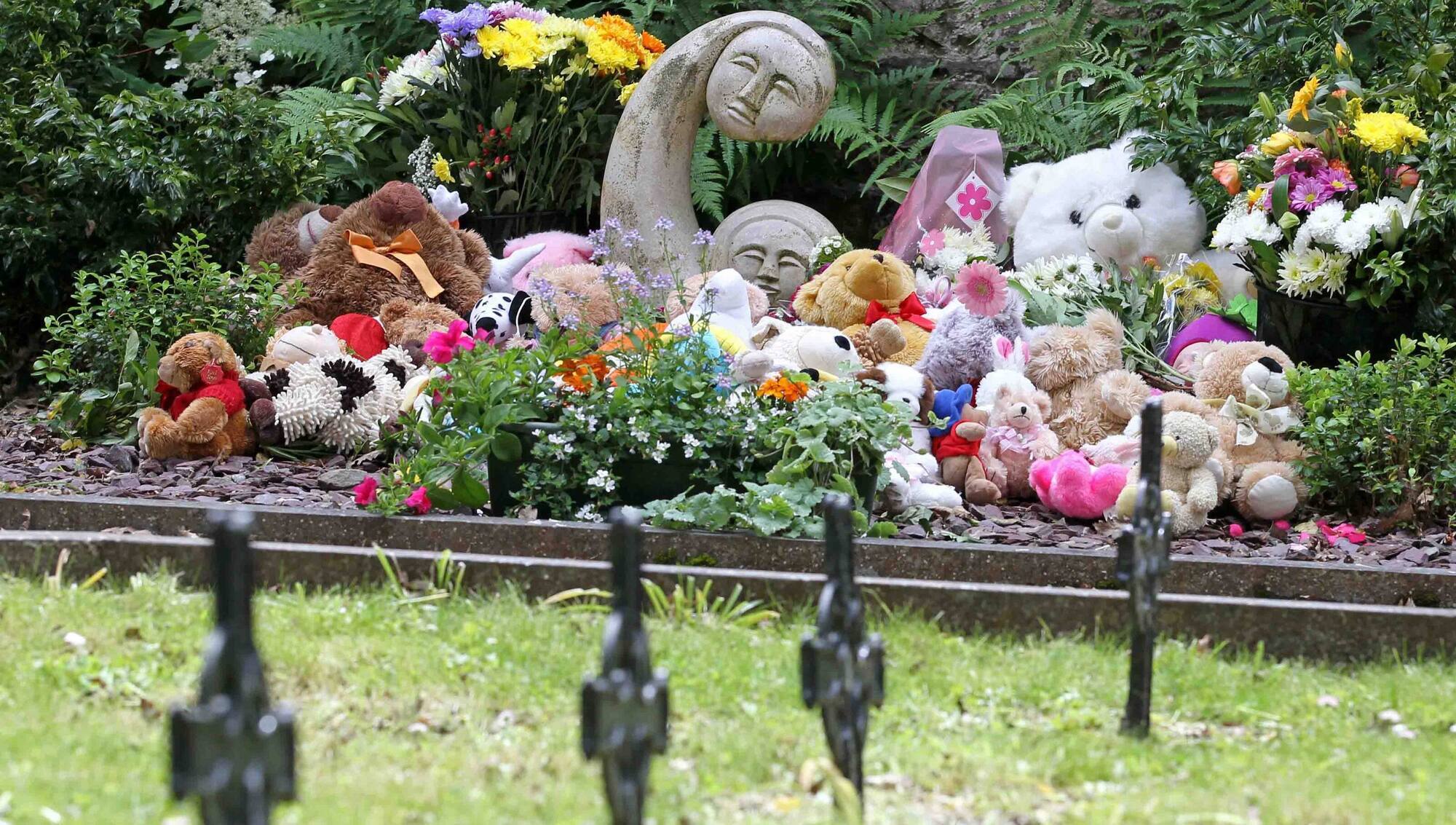
Bessborough mother and baby home was part of a system engineered to control female bodies, preserve male reputations and export infants like contraband. Picture: Jim Coughlan
They tried to make us Gen-X women the silent generation.
They misjudged their target. We had Walkmans pumping riot-grrrl rage into our ears, a No Disco vocabulary for resistance and most fatefully for Ireland an instinctive distrust of moral lecturing from any pulpit. We were the wrong generation to try to hush, and nowhere is that clearer than in the unfinished story of Bessborough.
Last week, the carried Cindi Bonny’s brave testimony about that Cork mother and baby home. Her words cut straight through the pretence that mother and baby homes and Magdalen laundries belong to a distant past.
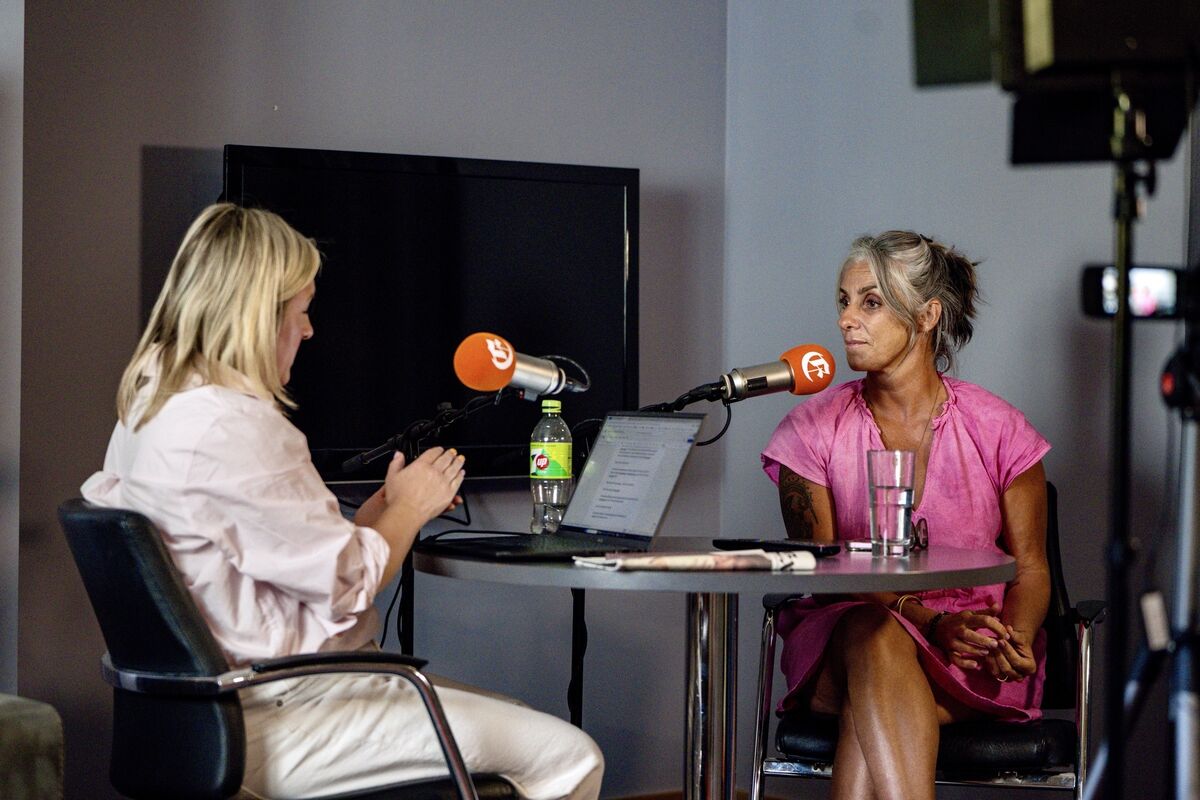
For survivors, the article was both mirror and megaphone, confirmation that what we lived through was real and an invitation to keep speaking.
I thank the for shining that light. It matters more than they may realise, because 30 years on, many still do not grasp how completely Bessborough and institutions like it shaped modern women’s lives, bodies and futures. We hear statistics: 9,768 women passed through those doors; an estimated 923 infants died.
Read More
But statistics are anaemic. The pulse of the story is individual, intimate. So, let me place one beating heart beside those numbers - mine.
At 18 I discovered I was pregnant, the result confirmed by the college medical centre. She pressed a CURA leaflet into my palm and little else. My father, all fire and brimstone, panicked at the shame and allowed 'Cura cares' to arrange my swift removal to Bessborough Mother and Baby Home.
I cried every day, it was a miserable place. My only bright spots were weekly parcels from my sister Mary, who worked in O’Connor’s on Galway's Shop Street. Her letters, stuffed with gossip and a fresh , kept me tethered to a world where people still laughed.
Mary had just had her first baby; she wrote with the giddy joy of new motherhood while gently insisting I was far too young for the job and was “doing the right thing”. My daughter was born in May 1993.
Staff treated me as just another 'Bessborough' girl, separate from the proper mothers with rings on their fingers. No breastfeeding even though I ached to. They didn’t know I had fallen helplessly in love with the tiny ally who had been quietly growing inside me.
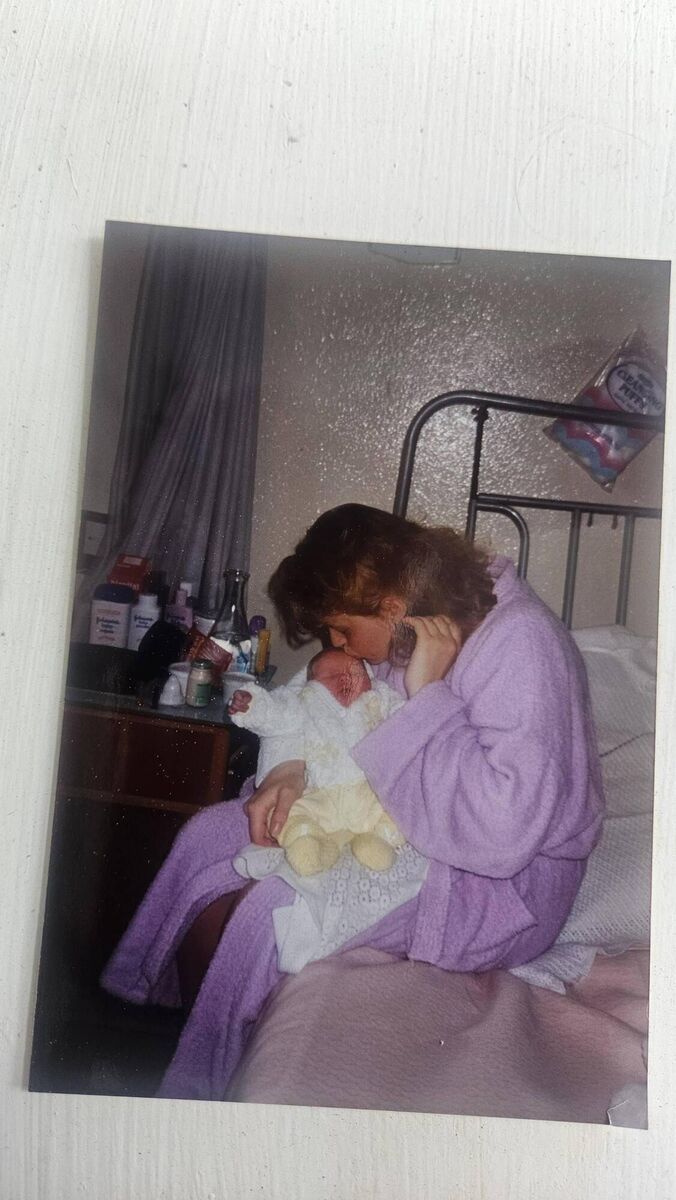
Labour raged the same day Niamh Kavanagh sang at Eurovision in Millstreet. As Kavanagh hit the high note, my girl arrived. I was alone, petrified; yet when those blue eyes met mine, time slowed, love crystallised, and everything changed.
I was sent back to Galway; my baby went to temporary foster care in Scarrif while the final documents were prepared.
At home, terror choked me — I could not sign. I eventually blurted my refusal to Sister Claude of the Galway adoption agency. She studied my face, tested my certainty, then simply stood by my side when the míle murder erupted. Calm as a lake, she told me to pack my bags when they threatened to throw me out. We left that evening.
The next day she reunited me with my baby in 24 Connolly Terrace, Bohermore. A tiny terraced house donated to the sisters by the bishop of Galway, Eamon Casey, the man who had confirmed me seven years earlier. Two other student new mothers soon joined us. All three of us returned to university that September; all three finished our degrees.
My daughter Aoife is now married and expecting her first child. I will soon be a grandmother because one nun stood by me and told me it was okay to say no.
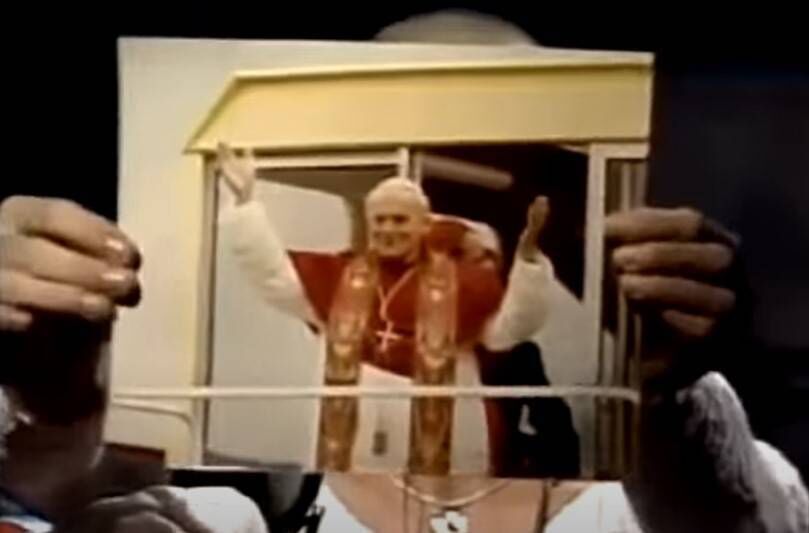
Those lived truths fuel my feature screenplay, , set in that volatile hinge year of 1992. The film opens not with soft-focus nostalgia but with Sinéad O’Connor tearing up the Pope’s photo on and the ripple effect on Irish society and media.
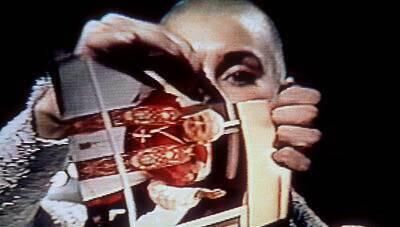
O’Connor was pilloried for confronting clerical abuse, a disruptor before the word trended. I never saw her protest live; I was locked away in Bessborough. But I felt the aftershocks as Irish society mocked, vilified, and tried to bury her warning. Seven months later, when I shredded the adoption papers, I became a disruptor too.
Our generation’s refusal to stay quiet was no spontaneous uprising; it was forged in classrooms, bedrooms, and parish halls where hypocrisy reigned. We learned early that “respectability” required our compliance and our erasure.
Yet the 1990s handed us new tools, American talk shows, grunge, the X-Files, condom machines installed illegally by activist groups like Condom Sense and students' unions in the early 1990. Small apertures of possibility were opening, and some of us sprinted through.
The screenplay explores that sprint. It follows a Bessborough girl who decides her child will not be another statistic, and an unlikely heroine, modelled on Sister Claude, her compassion and determination to do right by young mothers.
It is both tribute and testimony, because tributes alone change nothing and testimonies alone can exhaust. Together they insist on accountability and offer a route to redemption.
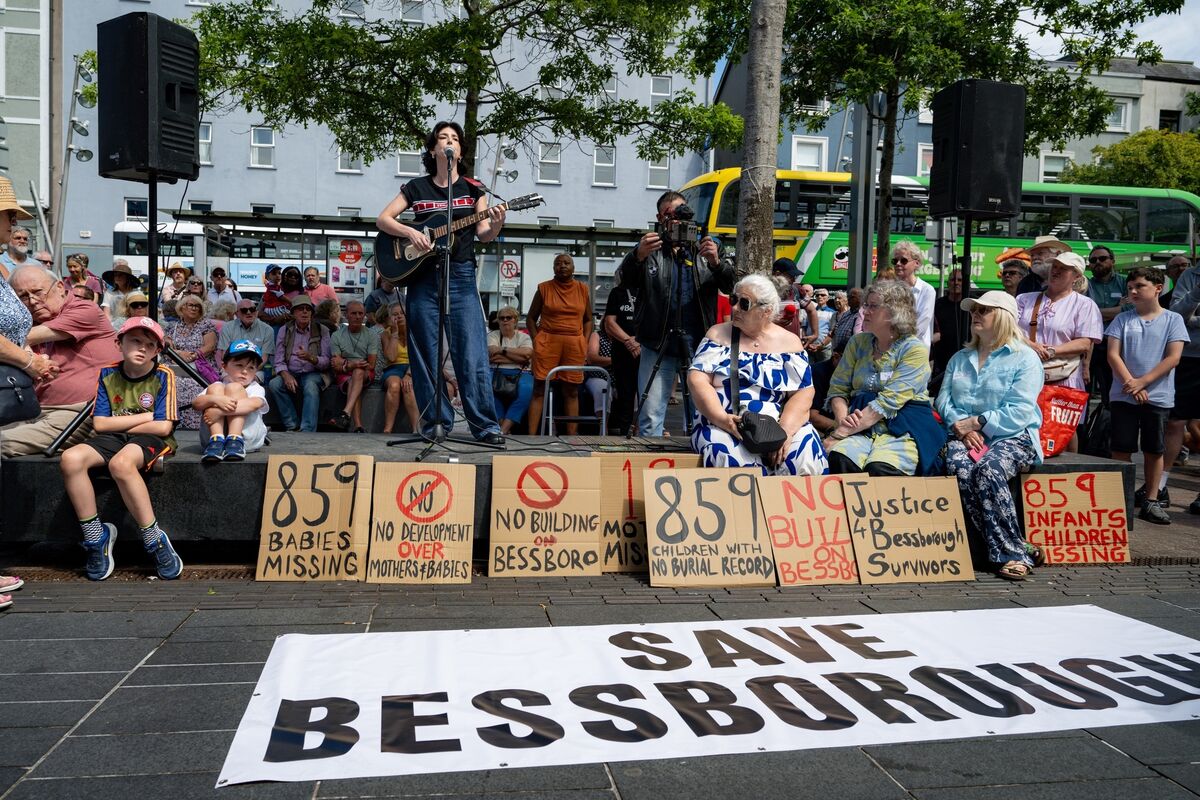
Redemption is a word Ireland often misuses. It is not forgetfulness, nor a tidy real-estate deal on sacred ground. True redemption requires truth-telling, reckoning and, finally, creative re-imagination of the future.
That is why the debate over plans to build on the Bessborough site is so charged. Developers may say: “We can’t live in the past.” Survivors reply: “We are still living in it.” Concrete poured over unmarked graves will not lay anyone to rest.
Generation X sits at a crossroads of memory. Too young to have marched for civil rights in the 1960s, too old to claim millennial innocence, we carry analogue recollections into a digital Ireland.
When the State or Church tells us to “move on”, we answer, we taped it all on VHS, filled notebooks with diaries, saved every letter our sisters sent — and schooled ourselves in our own worth. Silence is impossible; we have the receipts.
And so the stories keep surfacing, Cindi Bonny’s, mine, countless others. Each account chips away at the myth that Bessborough was an unfortunate but benign relic of a harsher era.
It was a system engineered to control female bodies, preserve male reputations and export infants like contraband. Calling that by its proper name is not a witch hunt; it is the ground floor of honest nation-building.
Some readers may ask: Why another film, another article, another survivor memoir? Haven’t we heard enough? I once worried about that, too, but a line from writer Anne Lamott steadies me:
Amen.
Besides, art has reach where testimonies sometimes stall. A screenplay can slip past defences, inviting an audience to feel first and intellectualise later.
My deepest hope is that will do what Sinéad’s torn photograph did, jolt viewers out of complacency and into conversation, maybe even into action. The next generation deserves more than memorial plaques; they deserve a republic unafraid of its mirror.
We Gen-Xers were supposed to keep our heads down, graduate, emigrate, and post home postcards of obedience. Instead, we staged referendums, demanded divorce, legalised contraception, fought for reproductive rights and medically informed maternal care, and marched for marriage equality.
We forced inquiries into institutional and financial abuse. We were the wrong generation to try to silence, and we are not finished yet.
Which brings me back to gratitude. Journalism at its best is a partner in disruption, giving platform to voices the powerful prefer muted. The has continued reporting on Bessborough, most recently through Cindi Bonny’s searing account.
By illuminating the past, you loosen its grip on the present and create space for a healthier future. Thank you for keeping the beam steady.
My granddaughter will be born into an Ireland radically different from the one that ostracised her grandmother. Yet the soil still holds our unburied stories.
Let us keep turning it, airing it, naming what we find. Only then can the next generation walk on land that no longer shames them for the audacity of being alive.
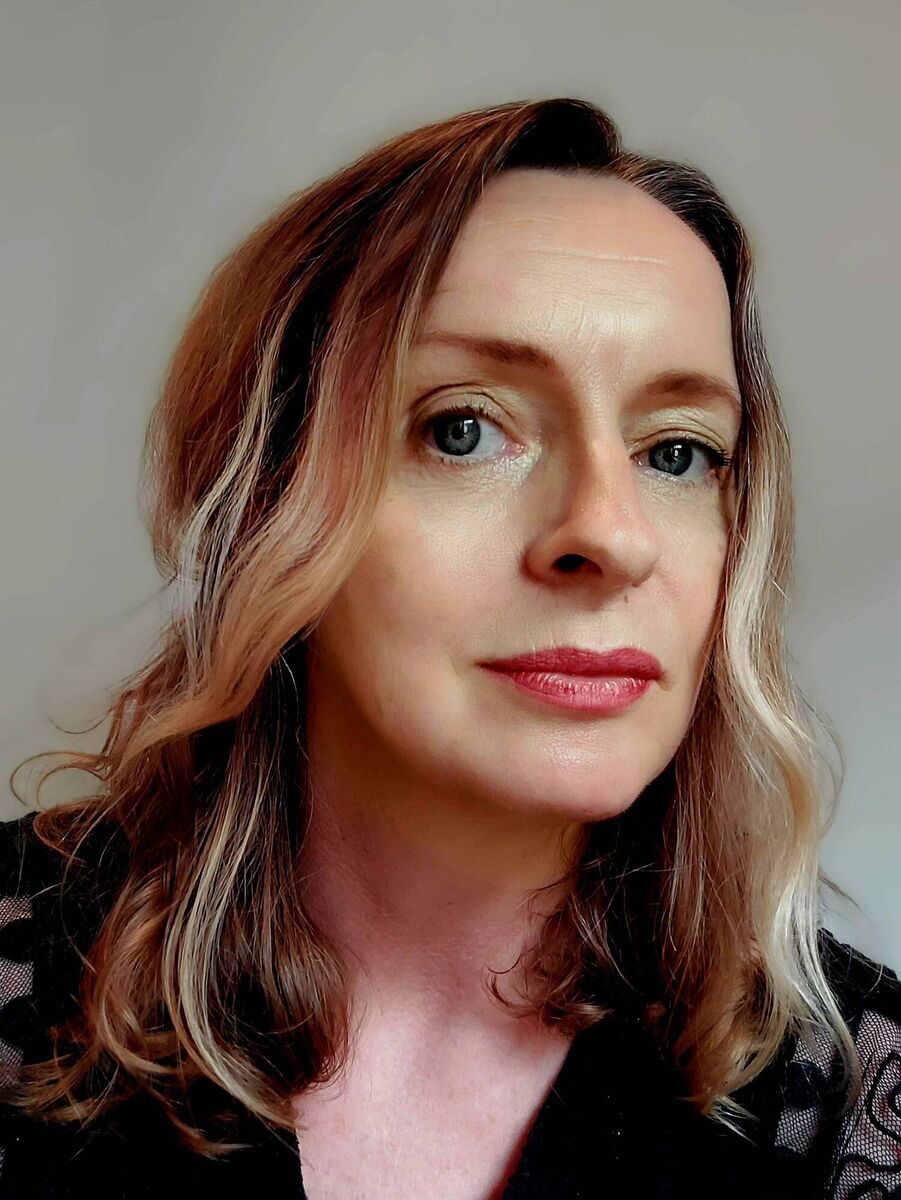
- Nóra Flaherty is a screenwriter and member of the Writers’ Guild of Ireland. Her feature script, , is currently seeking production partners. You can read more about her journey in screenwriting in Women in Film & TV (WFT) Ireland’s “Member in Focus” profile from July 2026.

CONNECT WITH US TODAY



Be the first to know the latest news and updates