Homeless figures hit new record as 17,548 people live in emergency accommodation
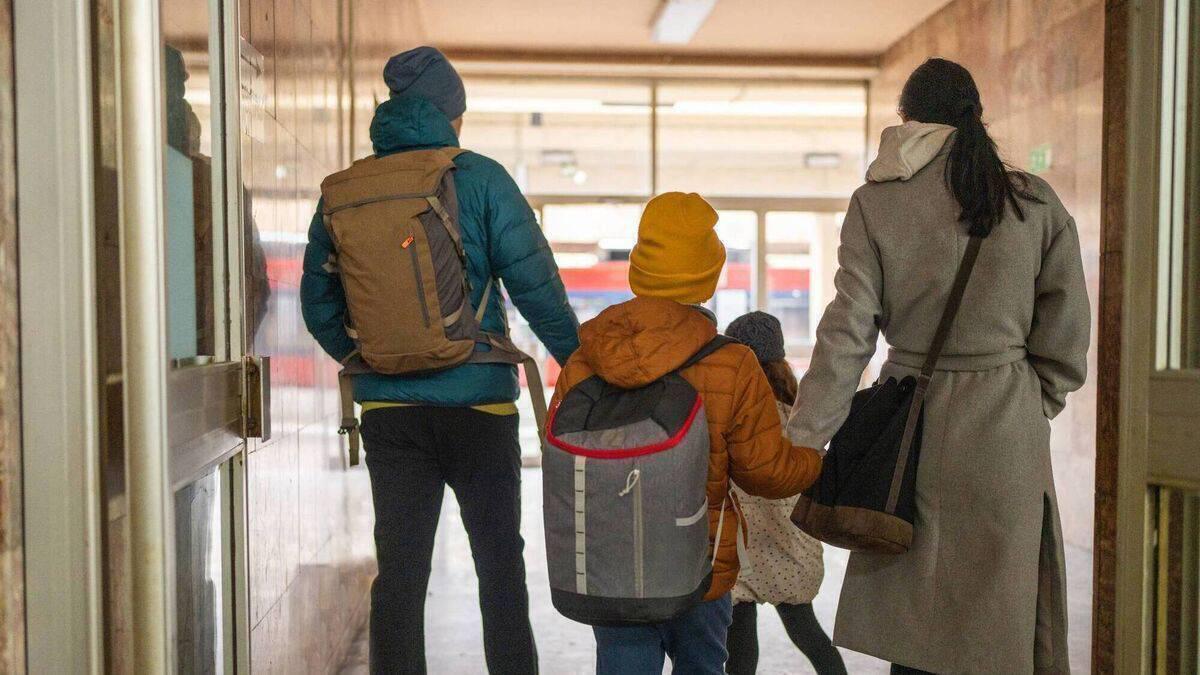
The total included 11,944 adults and 5,604 children across 2,707 families.
The number of people living in emergency accommodation across the State reached a new record high last month.
A total of 17,548 people were living in emergency accommodation during the last week of April, according to figures published by the Department of Housing.
The total included 11,944 adults and 5,604 children across 2,707 families.
The figure represents an increase of 31 people compared with the previous month and marks the highest number ever recorded in emergency accommodation.
Nationally, the figures show a 13% year-on-year increase, with homelessness figures for the same period in 2025 standing at 15,580 people.
Child homelessness is up 17% across the country since April 2025.
The monthly figures published by the Department of Housing do not account for people sleeping rough or those staying in hospitals, asylum centres, or domestic violence shelters.
The April figures come after the Government’s rental reforms on six-year tenancies came into effect in March.
In the Southwest region, which covers Cork and Kerry, 1,162 men, women, and children were living in emergency accommodation during the last week of April.
This marks a 4% increase in the Southwest compared with the previous month.
Year-on-year, the figure is up 31% since April 2025 and 10% since January 2026.
In Cork, 821 people were living in emergency accommodation during the final week of April, marking a year-on-year increase of 26% since April 2025.
April’s figure for Cork is up 10% since January and 4% since March.
Chief executive of Focus Ireland Pat Dennigan said: “While the Government says they anticipated the increase in eviction notices following changes to rental rules, the problem is that they have done absolutely nothing to help the thousands of people now facing eviction.
“The scale of evictions and the misery it will create is truly shocking, with more than 7,000 notices issued in the first three months of the year.
“This points to the intense and growing pressure facing renters and underlines the strain on the housing system created by over a decade of failed housing policies.”
He added: “Government argues that this is a once-off adjustment as a specific group of landlords sell up in response to the new tenant protections.
“However, if that is the case, it strengthens the case for a once-off but substantial boost in tenant in situ funding.
“As many of the notice to quits will have weeks to run, it is not too late to introduce such a protective measure to prevent families and individuals from being pushed into homelessness during this period.”
Ber Grogan, executive director of the Simon Communities of Ireland, said landlords who have raised rents since the rental reforms were announced should be among those putting forward solutions to end homelessness.
She welcomed the decrease in homelessness among single households and people aged over 65.
“Since the changes to rent regulations were announced last summer, the Simon Communities of Ireland has been warning that the extortionate prices of rent, and not addressing the affordability of rents, would lead to higher numbers of people being forced to experience the trauma of homelessness.
“Headlines stating that ‘rents rise’ make it sound as though rents are increasing automatically, in a vacuum.
“The reality is that there are people behind the decisions to keep raising rents.
“More accurate headlines and debates in the Dail would be ‘landlords raise rents to highest ever levels’.
“Why are large landlords exempt from putting forward solutions to end the homeless crisis when they are a direct cause of rising numbers?
“We will only end homelessness by having all stakeholders at the table. Unless the Government, local authorities, landlords and homeless services come together to address the issue, we will continue to see more people entering homelessness each month.”
The Salvation Army said teenagers, in particular, find living in emergency hubs during the extended summer break highly challenging and warned that mental health issues are “inevitable”.
“Summer is a difficult time for many families as tensions over the lack of space within rooms tend to be magnified,” said Anthony Byrne, service manager at Houben House family hub in Harold’s Cross, Dublin.
“Younger children and teenagers are off school for a prolonged period so there could be four or five family members sharing one room.
“The normal dynamics of summer – inviting friends over, enjoying a barbeque or having a family get together – simply do not exist and as an inevitable consequence, people’s mental health is definitely affected.”
CONNECT WITH US TODAY



Be the first to know the latest news and updates