Homelessness reaches new record in Cork as national total rises to 17,482
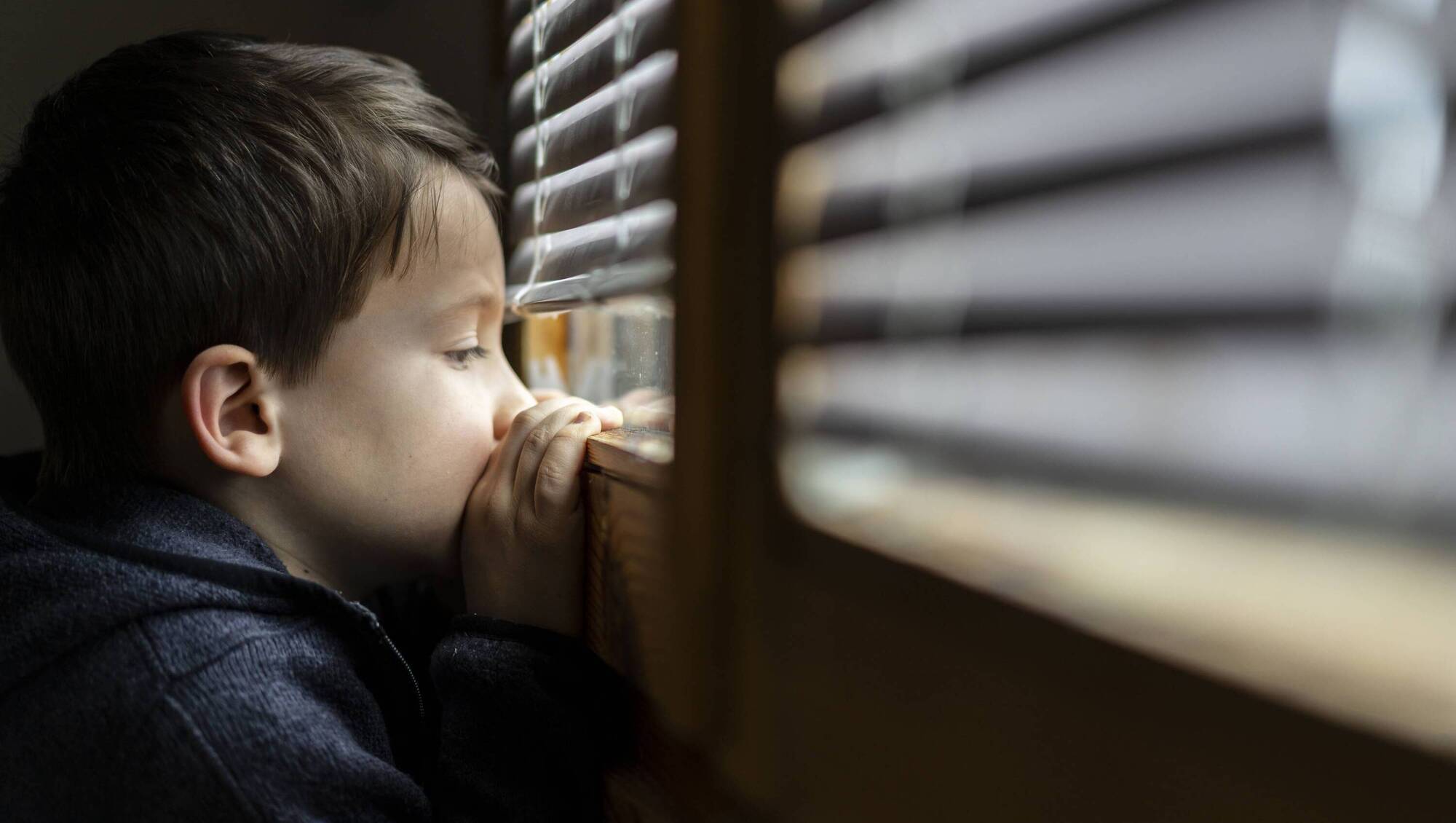
More than 17,400 people homeless in Ireland as child homelessness remains high
The number of people living in emergency accommodation in Ireland increased again in June, reaching 17,482, according to new figures from the Department of Housing.
The figures, released on Friday, show 5,620 children were homeless during the month.
The total is up slightly from 17,447 in May, which had represented a small decrease on April's figure.
Cork has recorded its highest level of homelessness to date, with Cork Simon warning the numbers will continue to rise unless the Government addresses the needs of single adults, now the largest group in emergency accommodation.
There were 828 adults in emergency accommodation in Cork in June, according to the latest Government figures.
That is up from 819 in May and represents a 25% increase from 606 adults in June 2025.
The figures also show 902 adults were homeless across the South West region, which includes Cork and Kerry, the first time the total has exceeded 900.
In the South West, 145 families, including 255 children, were homeless in June, while 689 single adults were living in emergency accommodation.
Read More
A recent Cork Simon report found the number of single adults experiencing homelessness in the South West has risen by almost two-thirds in the past three years, while homelessness among all adults increased by just over half.
The report also found fewer single adults are being prevented from entering homelessness and fewer are moving into permanent tenancies.
As a result, long-term homelessness is increasing, with more than half of single adults in emergency accommodation in the South West now homeless for six months or longer.
Sophie Johnston, who authored the report, told the Irish Examiner: “The number of single adults in emergency accommodation has increased consistently. It’s unfortunately been a steady upwards trajectory, and it has increased quite steeply, especially in the last 18 months.
“Single adults at the moment account for more than three in four adults in emergency accommodation, and in terms of households it’s even higher at four in five, so they’re the largest group however you divide it up.
“The numbers are just going one way – up - and what we’re seeing in this report is the consequences of the invisibility of this group in government policy.
“The number of single adults is increasing, the routes out of homelessness are decreasing, and that all means more people long term homeless, lives put on hold.”
David, whose name has been changed, said: “I am on the scared level of will I always be stuck in this shelter?
“I’d be scared of that factor. You know, how long, where am I going to end up? It always brings up the anxiety for me. It’s just that, not knowing, when or where.
“Like, you know, obviously there’s a housing crisis going on. I’m saying, like, what chance does a homeless guy have?”
The report found that in the final quarter of 2025, for every single adult who left emergency accommodation for a tenancy, 20 remained.
Most of those who secured accommodation moved into homes provided by Approved Housing Bodies, while very few entered the private rented sector.
During 2025, for every one single adult prevented from entering emergency accommodation, five newly entered homelessness on average.
There were less than half as many homelessness preventions in 2025 compared with 2024, while one-third of preventions involved the private rented sector.
Ms Johnston said: “The private rental sector still plays an important, if small, role in preventions, but otherwise it has become a one way door.
“About one in four newly homeless single adults are coming from the private rented sector, and while three years ago it accounted for half of all exits from emergency accommodation to tenancies, that’s fallen off a cliff.
“There just isn’t the supply, and between that and very high prices, it’s not a feasible exit route for people in emergency accommodation anymore.”
Wayne, whose name has been changed, said he had been “homeless on and off, I suppose, for three years.
“Just on the street and in sleeping bags… and in the shelter. The things I’ve seen in the last few years are probably going to traumatise me for the rest of my life.
“I’ve lived in rented accommodation before. I mean, I had my own apartment. I have done all this renting route before.”
He said he was on the social housing waiting list “so it’s just a matter of waiting - I just know that it’s going to take a long time.
“Single males are at the bottom of the list. To be honest, I think ladies and children should be brought up first of all, I’m very aware of the situation.
“It’s just very difficult to maintain any kind of normality or security when I’m literally on the streets.”
Ms Johnston said the Government's housing strategy, Delivering Homes, Building Communities, contains only "scant reference" to single adults, despite including targeted actions for other groups.
She added: “It’s right that there are strategies dedicated to families, older people, people with disabilities – there should be, but there also needs to be one to address the situation for single adults.
“We need a dedicated national action plan, we need targets for the delivery of one bed homes, and to strengthen homeless prevention methods for single adults.”
While there had been some increase in the construction of one-bedroom homes, she said it falls well short of demand. Single adults are the largest group on the social housing waiting list.
“Even in general society, one in four households consists of a single adult, and fewer than one in 10 homes have one bedroom, so there’s a real mismatch between the need and the supply.
“The Government strategy reaffirms their commitment to ending homelessness by 2030, but if single adults are not addressed, that will remain out of reach.”
Dara, whose name has been changed, said: “When I came here first, there was, like, loads of young fellas that I knew that were in here barely before me, like, and they’re still waiting.
“And that was nearly five years ago. So I can imagine now in another five years, I’ll still be waiting, which is the worst part about it.
“Five years homeless. It was addiction that brought me into homelessness. On the streets for a year and a half.
“I got clean and everything, do you know what I mean? I’m working now… working away, just trying to get a gaff, trying to get somewhere on my own - it’s practically impossible.”
He added: “I’ve been on the social housing waiting list for seven years. I’d take a single flat anywhere, but they’re all three-bedroom houses, and they’ll be allocated to, like, you know, families and stuff.
“Private rentals are going to cost about €1,200 a month for a room. That would just be a room in a house share, and there are not many of them available.
“But there’s houses there, like, you go up to the north side and there’s whole estates, just house after house after house are boarded up.”

CONNECT WITH US TODAY



Be the first to know the latest news and updates