Ali Sheridan: It's a key moment for climate transition — we must show people the benefits
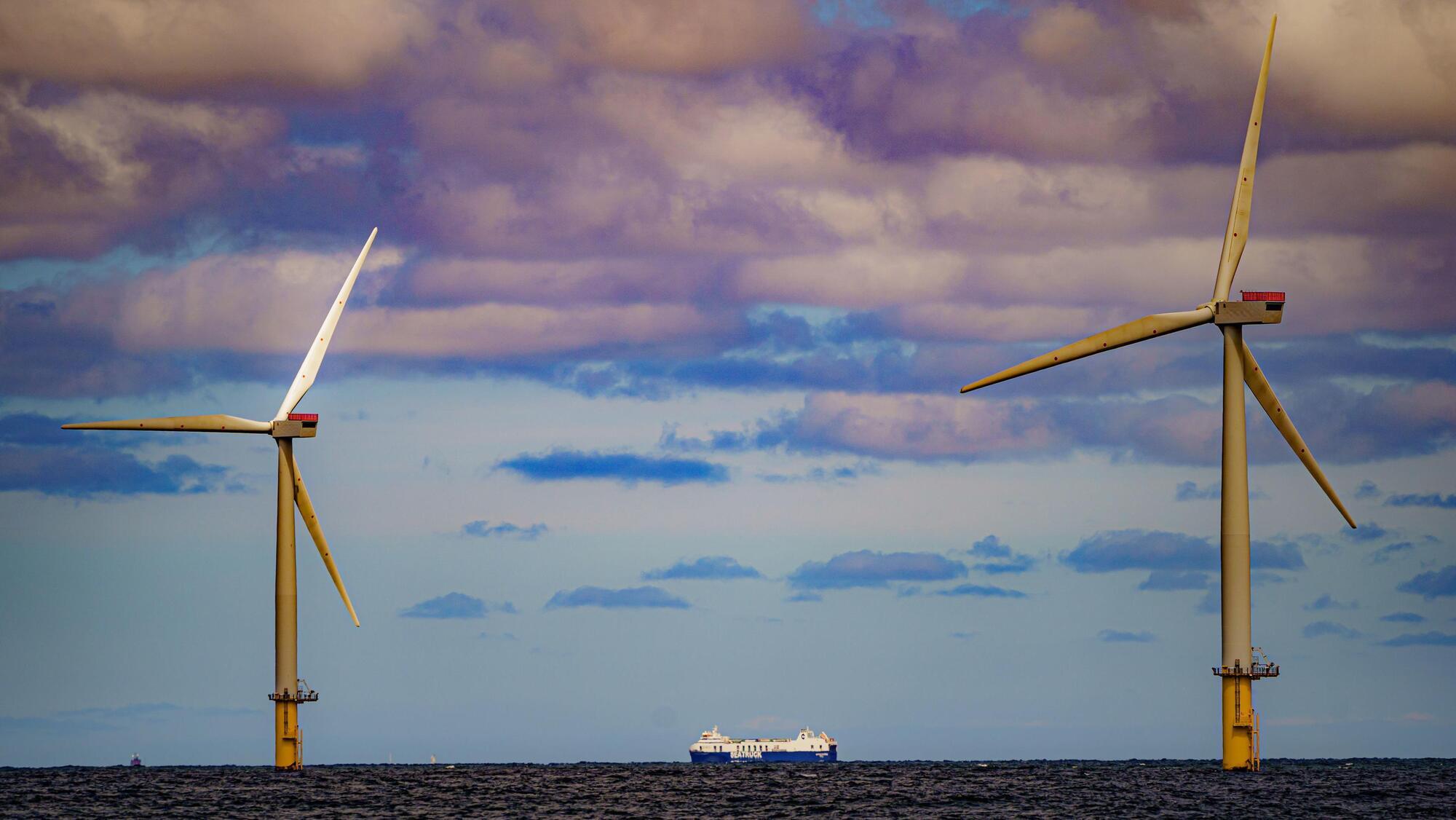
Climate action can mean warmer homes, lower and more stable energy costs, better public transport, strengthened rural livelihoods, and new skills and employment pathways. File photo: Ben Birchall/PA
Ireland stands at an important moment in its climate transition. Decisions taken now will shape not only how the country meets its climate obligations, but how the transition is experienced in people’s daily lives.
This moment comes at a time when many households are already under sustained pressure. Energy poverty persists, housing affordability continues to strain families and communities, and wider cost-of-living challenges are shaping everyday choices.
For many households, concerns about affordability and energy security increasingly shape how climate measures are experienced in practice.
At the same time, the impacts of climate and biodiversity breakdown are becoming more visible, as are the impacts of our ongoing dependence on fossil fuels. More frequent and intense storms, flooding, and growing strain on infrastructure and local services are no longer distant risks but lived realities.
Storm Éowyn, the most expensive weather event in Irish insurance history, is one recent example of how these impacts are already being felt.
These intersecting challenges cannot be treated separately from climate action. How Ireland approaches the transition will influence whether existing inequalities are reinforced, or whether the transition contributes to greater fairness and resilience.
When we talk about climate limits, we are really talking about people’s lives, their homes, their jobs, and their communities. We are talking about their ability to take climate action and to respond to the impacts of climate breakdown.
A transition that does not take account of people’s circumstances risks placing additional strain on those least able to absorb it.
At the same time, a transition grounded in fairness offers tangible opportunities. Climate action can mean warmer homes, lower and more stable energy costs, better public transport, strengthened rural livelihoods, and new skills and employment pathways.
There are already important lessons emerging from Ireland’s own experience of just transition in the Midlands.
Investments through initiatives such as the EU Just Transition Fund demonstrate how climate action can also support regional regeneration, new skills, and local employment opportunities.
At the same time, the Just Transition Commission has highlighted the risks of reactive approaches, where support mechanisms are introduced only after major economic change has already occurred, limiting their ability to reduce disruption for workers, families and communities.
The Just Transition Commission, an independent advisory body to Government, was established to bring that perspective.
Our role is to look at climate action through a fairness lens and to reflect the lived experiences of people, communities and sectors across Ireland.
Through our engagements, the Just Transition Commission has heard a clear message.
There is a willingness to act on climate, but also growing frustrations with unclear plans, a lack of clarity on how climate action will deliver real benefits and protect those most vulnerable, and fatigue with consultation processes where people do not always see how their input is reflected.
Our latest progress update shows that fairness is not yet built into the system in a consistent way.
Ireland has a clear set of Just Transition Principles, agreed in 2021. These say climate policy should be evidence-based, support jobs and skills, share costs fairly, and be shaped by social dialogue.
But in practice, this doesn’t always happen. As the Commission has consistently emphasised, just transition cannot be treated as an afterthought or a standalone programme.
Fairness considerations need to be integrated across climate, transport, housing, energy and land-use policy from the outset, with particular attention paid to those most vulnerable to rising costs, economic disruption or climate impacts.
Otherwise, we lack a full picture of who is most affected, who benefits, and where the risks lie. Without that, fairness risks becoming an afterthought rather than a starting point.
When considered alongside Ireland’s continued failure to meet climate targets, the current approach to the climate transition can be seen as neither fully fair nor a transition at the pace required.
There are clear opportunities to address these gaps.
The upcoming National Just Transition Strategy, committed to by Government, can embed fairness across policy by providing a framework to assess impacts and guide decision-making.
Just transition principles must also be integrated into the Climate Action Plan, the Government’s roadmap for cutting emissions, so policies are designed with people in mind from the outset.
The Government now has an opportunity to place fairness more centrally within climate policymaking and to demonstrate how climate ambition and social inclusion can reinforce one another.
That includes ensuring future investment and budget decisions support those most exposed to rising costs, climate impacts and economic disruption, while also accelerating the long-term structural changes needed to meet Ireland’s climate targets fairly.
The Social Climate Plan, supported by the EU Social Climate Fund, can play an important role in directing support towards households and communities most affected by rising energy and transport costs, including through measures that improve energy affordability and access to low-carbon alternatives.
Ireland’s upcoming presidency of the Council of the European Union also offers an opportunity to help advance a more people-centred approach to climate action across Europe.
We need a more open and honest conversation about what lies ahead, one that is clear about both the benefits and the trade-offs, and about how people will be supported through change.
The Commission has therefore proposed a National Climate Dialogue, a structured forum bringing together Government, social partners, civil society and experts at key moments in climate decision-making.
It would create space to examine sectoral challenges and trade-offs, while ensuring engagement is directly linked to policy, particularly the Climate Action Plan.
Centering climate action on fairness is not only necessary, it is also Ireland’s greatest opportunity. It offers a way to meet our targets while protecting those most vulnerable and building a stronger, more resilient society.
Ireland can lead by showing that climate ambition, open dialogue, and fairness go hand in hand.
- Ali Sheridan is chair of the Just Transition Commission of Ireland


CLIMATE & SUSTAINABILITY HUB
CONNECT WITH US TODAY



Be the first to know the latest news and updates