Round the houses: Building more and wasting less should not be competing ambitions
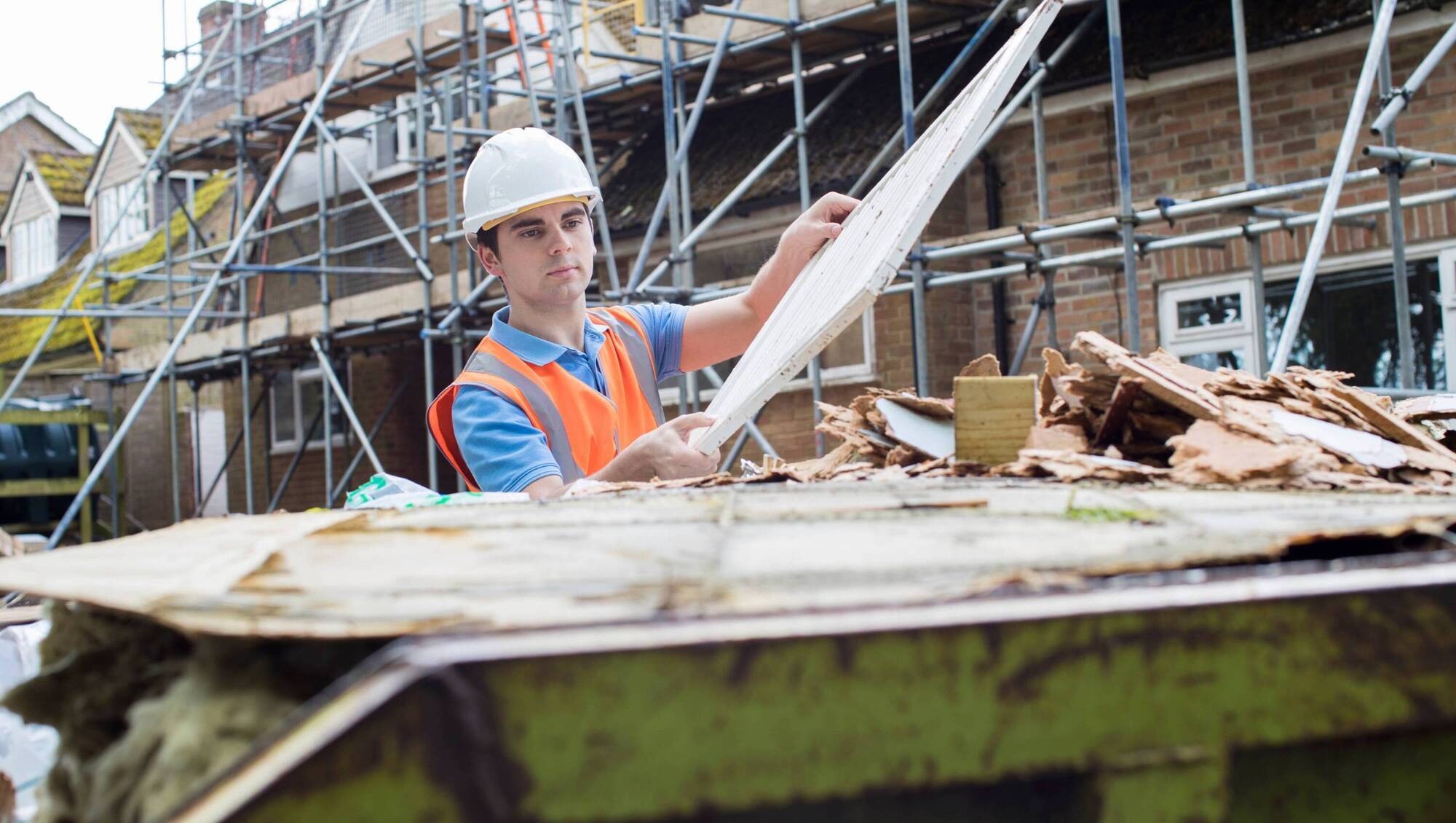
Construction and demolition (C&D) waste is Ireland’s largest waste stream. In 2023, approximately 9 million tonnes were generated nationally, according to Environmental Protection Agency (EPA) statistics. In recent years, construction waste has accounted for around half of all waste generated in Ireland.
I’m writing this article to the soundtrack of construction. The grinding whine of angle grinders, the rumble of heavy machinery, the relentless beep… beep… beep of reversing vehicles that anyone living near a building site knows all too well. It has become background noise. Two years ago, I moved into a new-build home. Since then, I’ve watched our housing estate slowly take shape. Roads laid, roofs tiled, gardens seeded, walls painted. And just as one development neared completion, another began across the road. More machinery arrived. More deliveries. More skips. More dust. More noise. And somewhere between admiring the speed at which homes appeared and muttering under my breath at another 7 am wake-up call from reversing diggers, I started wondering: how much waste does all of this generate? Because every house built represents not only new materials arriving, but materials leaving too. Excavated soil. Broken concrete. Timber offcuts. Packaging. So much plastic packaging. Plasterboard. Damaged materials. Excess orders. Entire skips filled and removed before lunchtime.
Ireland urgently needs homes. As someone who spent years trying to get a foot on the property ladder, I would never dispute that. Few would. Housing shortages have dominated political debate for years, and increasing supply remains a national priority. Yet amid discussions around planning permissions, affordability and delivery targets, another question receives far less attention: what is the environmental cost of building at this pace? Construction and demolition (C&D) waste is Ireland’s largest waste stream. In 2023, approximately 9 million tonnes were generated nationally, according to Environmental Protection Agency (EPA) statistics. In recent years, construction waste has accounted for around half of all waste generated in Ireland.
That statistic sounds alarming, but context matters. Not all construction waste ends up in landfill. The majority consists of soil and stone, much of which is reused in engineering projects, land restoration or backfilling. Ireland has also exceeded the European Union target of recovering 70% of non-hazardous construction and demolition waste. On paper, that sounds encouraging. But recovery is not the same as prevention. Nor is recovery always the same as recycling into new building materials. A significant proportion of recovered construction material is reused in lower-value applications such as backfilling, rather than becoming new construction products. This raises an uncomfortable but important question: are we becoming more circular, or simply becoming better at managing waste?
The distinction matters. Reusing excavated material is undoubtedly preferable to disposal, yet it does not necessarily mean we are building more efficiently or reducing our dependence on extracting new raw materials. Ireland’s broader relationship with waste remains problematic. The EPA has repeatedly warned that recycling progress has stalled while overall waste generation continues to rise.
Watching building sites near my home, one thing becomes obvious: enormous volumes of material move constantly. Trucks arrive full and leave full. The scale is difficult to comprehend until you see it daily. Sometimes I find myself wondering about the hidden journeys of these materials. Where does the skip of mixed waste end up? How much packaging surrounding modern construction products is recycled? How many offcuts, damaged materials or surplus supplies quietly become part of Ireland’s growing waste burden? These are not questions many homeowners ask when admiring freshly painted walls or newly laid driveways, but perhaps we should.
Of course, construction workers and developers operate within economic pressures too. Delays cost money. Labour costs money. Housing demand creates urgency. Sustainability measures can sometimes be perceived as obstacles rather than opportunities. Yet framing this as a choice between building homes and reducing waste misses the point entirely. We need both. The challenge is not whether Ireland should build. It must. The challenge is whether future construction can become genuinely circular: designing buildings so materials can be reused, prioritising retrofit where possible, reducing waste before it occurs, and treating buildings as repositories of future resources rather than disposable products.
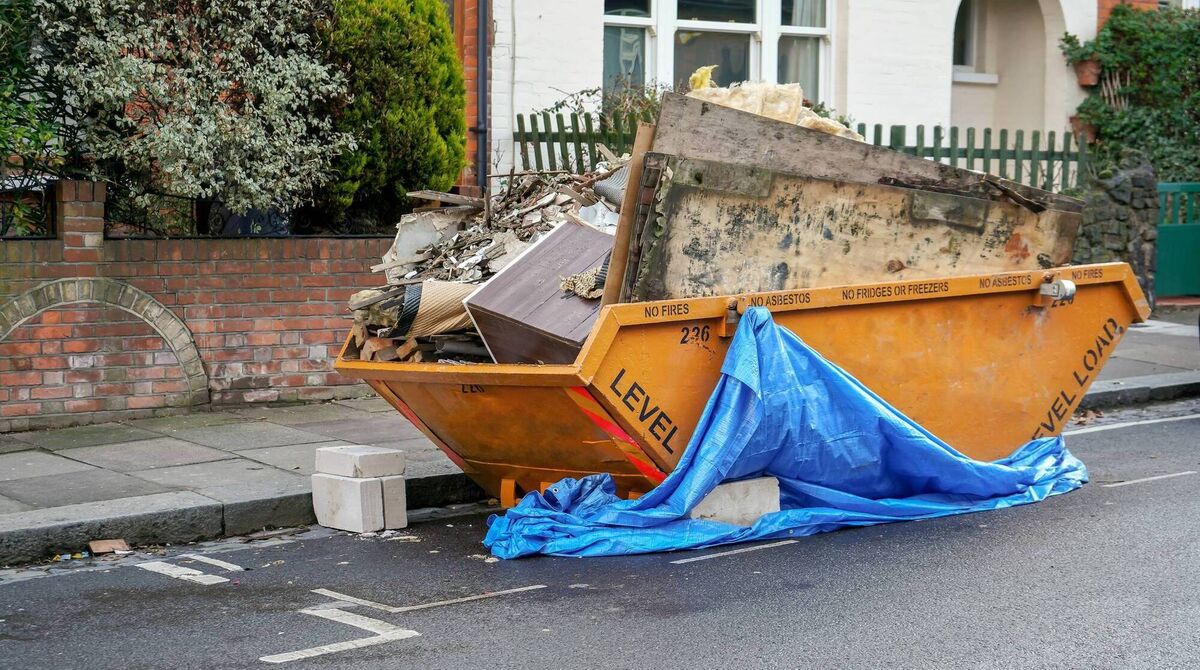
This challenge extends beyond construction alone. Ireland’s Circular Material Use Rate, which is a measure of how much of our economy relies on recycled rather than new materials, remains among the lowest in Europe at around 2%, compared with an EU average approaching 12%. This means that Ireland remains heavily dependent on extracting and consuming new materials rather than reusing existing ones. There are economic benefits too. Waste represents lost value. Every skip leaving a site contains materials someone paid for.
For many people, new housing developments represent hope. The possibility of finally getting a foot on the property ladder, escaping rising rents or finding somewhere permanent to call home. And Ireland needs more homes. But urgency should not mean lowering our ambition for how we build. The question is no longer simply how quickly we can deliver housing, but how intelligently. Can we provide the homes people urgently need while reducing waste, reusing materials more effectively and designing for future circularity? Because building more and wasting less should not be competing ambitions.
CONNECT WITH US TODAY



Be the first to know the latest news and updates