Tom Clonan: Wording of amendment was inherently Thatcherite in its ideological position
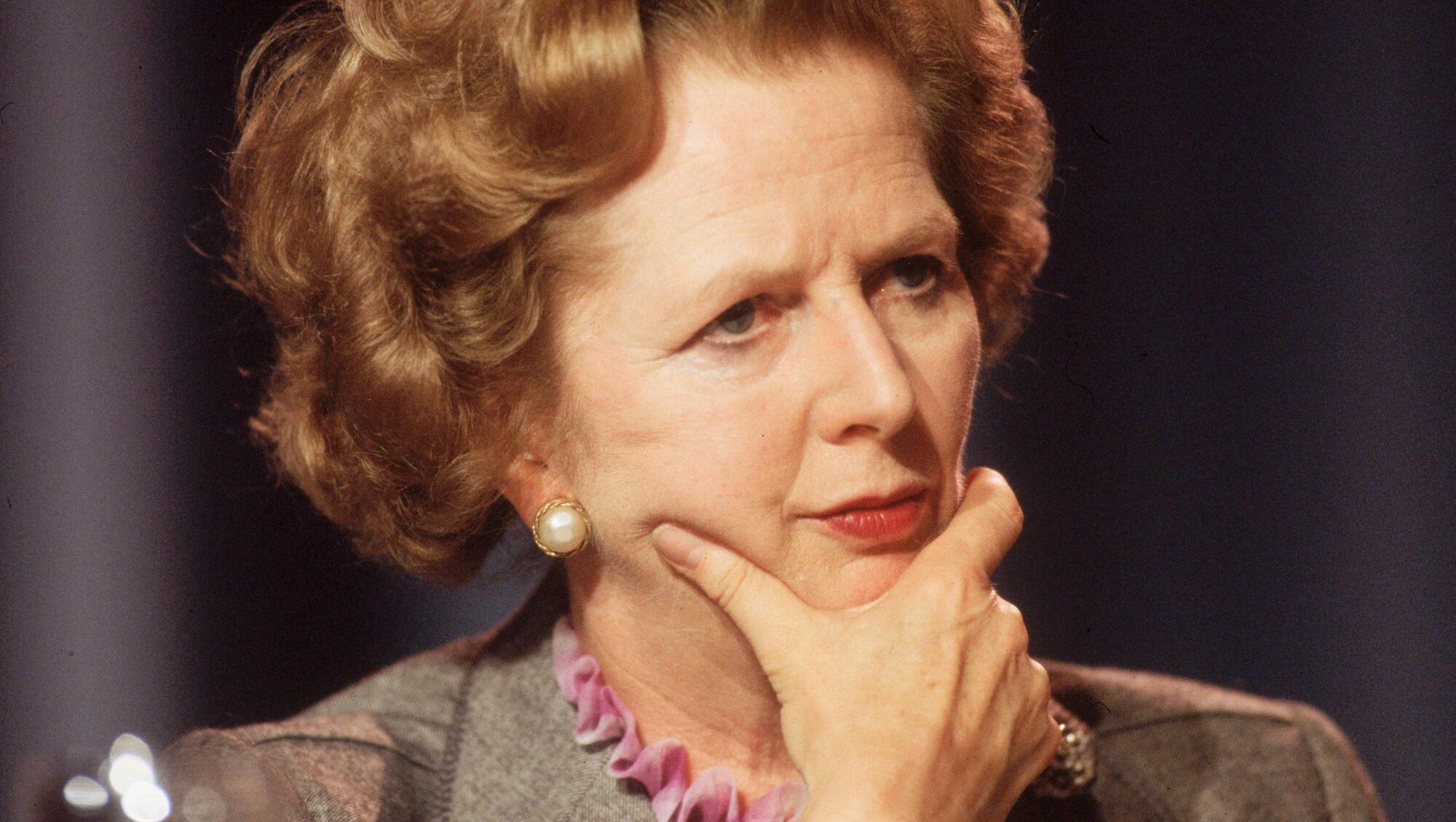
Article 42.B contained the phrase ‘by the bonds that exist between them’ asserting  that families, not the State, are primarily responsible for care
Tom Clonan: Wording of amendment was inherently Thatcherite in its ideological position

Former British prime minister Margaret Thatcher in an interview in 1987 spoke of the ‘ties that bind them’ or the duty or ‘burden’ of care that Tories believe exist within families. File picture: Hulton Archive/Getty Images

The Irish people have spoken. My principal emotion is one of relief. The great Irish public have thoroughly rejected the wording of Article 42.B on care in the family as drafted and proposed by the Government. 

Had it passed, it would have been catastrophic for citizens with disabilities and carers

It had been very carefully worded and edited to give constitutional expression to the conservative ideological position that care for citizens with disabilities — by way of disability, neurodiversity, acquired brain injury, or accident — is the primary and exclusive responsibility of family members.

The wording chosen by the Government was inherently Thatcherite in its formulation and ideological position. 

In an infamous 1987 interview, ‘No Such Thing as Society’, Margaret Thatcher infamously complained of state supports for citizens as an inherent ‘evil’. 

She said: "'I am homeless, the government must house me’ and so they are casting their problems on society and who is society? There is no such thing. 

"There are individual men and women and there are families and no government can do anything except through people and people look to themselves first."

With specific regard to family, Thatcher spoke of the ‘ties that bind them’ or the duty or ‘burden’ of care that Tories believe exist within families. 

The wording of 42.B contained a similar formula of words ‘by the bonds that exist between them’ in asserting in Bunreacht na h’Eireann — that families, not the State, are primarily responsible for care.

In choosing the word ‘strive’ in regard to state support for care, the Government fell short of a commitment to state supports for carers and citizens with disabilities. 

The Government chose this non-justiciable and non-binding word to indemnify the State from the legal and financial obligation to support disabled citizens to live autonomous, independent lives — apart from birth family and fully participating in the social, cultural, and economic life of this republic. 

In terms of words, it is a carefully coded ableist prescription for apartheid for citizens with disabilities. 

Citizens with disabilities — any citizen with additional needs — would be seen as the responsibility of hard-pressed families — to live out their lives in the back rooms and converted garages of homes or nursing homes all over Ireland.

Ireland is an outlier in this regard. We are the only jurisdiction in the EU where citizens with disabilities do not have the legal right to care supports, personal assistants, therapies, medical interventions or timely surgeries. 

Had this care amendment passed — it would have enshrined this inequality in the primary legal text of the nation. 

It would have been in direct contradiction to the UN Convention on the Rights of Persons with Disabilities — UNCRPD — specifically Article 19 which articulates the inalienable right of citizens with disabilities to independent, autonomous lives in the community.

Citizens with disabilities in Ireland face abject discrimination and appalling outcomes on every measure of quality of life — from homelessness to poverty, to suboptimal medical outcomes — languishing and deteriorating on hospital waiting lists. 

As a category of citizen they experience intersectional cruelty and disadvantage in ways that are brutal, life altering and life-limiting. 

They are the most vulnerable category of citizen in Ireland — consistently failed by a post-colonial, post-Catholic state that sees them as having less human value than other citizens.

This has been my experience as a carer and father of a beautiful 22-year-old man. Disabled by a state that wished to enshrine inequality into our constitution.

No other category of citizen in Ireland is so proactively discriminated against so savagely and routinely. 

We would not tolerate such discrimination against our LGBTQI community. 

Nor would we tolerate such treatment of women or Irish citizens on the basis of ethnicity, sexual orientation, or religion. 

The Irish state does not tolerate explicit and comprehensive discrimination against any other category of citizen, however, it perpetuates the abject circumstances of citizens with disabilities and carers.

One of the most deeply disturbing features of the recent debates on the Care Referendum has been the absolute contempt with which government, political parties – and shamefully, state funded NGOs, many of whom purport to represent the interests of disabled citizens and carers – have shown to the rights of disabled citizens. They, along with many so-called ‘progressive’ opinion leaders, talking heads and spokespersons – have been happy to subordinate the rights of disabled citizens by endorsing the failed wording, to the detriment of an entire category of citizen. This ableism needs to be called out for what it is – an ugly, wilful ignorance – as despicable as sexism, racism or homophobia.

The Irish people however have spoken. 

By rejecting the care referendum, more than a million Irish citizens have demanded a just and equal society for citizens with disabilities and carers. 

And hopefully this is an inflection point where finally — the Irish Republic will finally come to its senses and vindicate the rights of disabled citizens. 

For my part, I will continue to publish and introduce legislation that vindicates the inalienable human rights of citizens with disabilities. 

I will be asking my fellow legislators — of all parties and none — to support my Disability Rights Bill of 2023. 

I will also publish a Disability Care Bill (2024) in the coming weeks  that will give citizens with disabilities the legal right to care supports based on a progressive social model.

My fellow senators and TDs may now realise that there are political consequences for reneging on the rights of citizens with disabilities and carers. 

I will also be urging the Government — in whatever time is left to it — to immediately and fully ratify the UNCRPD and all of its protocols.

  • Tom Clonan is a retired Defence Forces captain and security analyst and a member of the Seanad

More in this section

Revoiced

Newsletter

Sign up to the best reads of the week from irishexaminer.com selected just for you.

Cookie Policy Privacy Policy Brand Safety FAQ Help Contact Us Terms and Conditions

© Examiner Echo Group Limited