Fergus Finlay: We made a bags of the 1986 divorce referendum
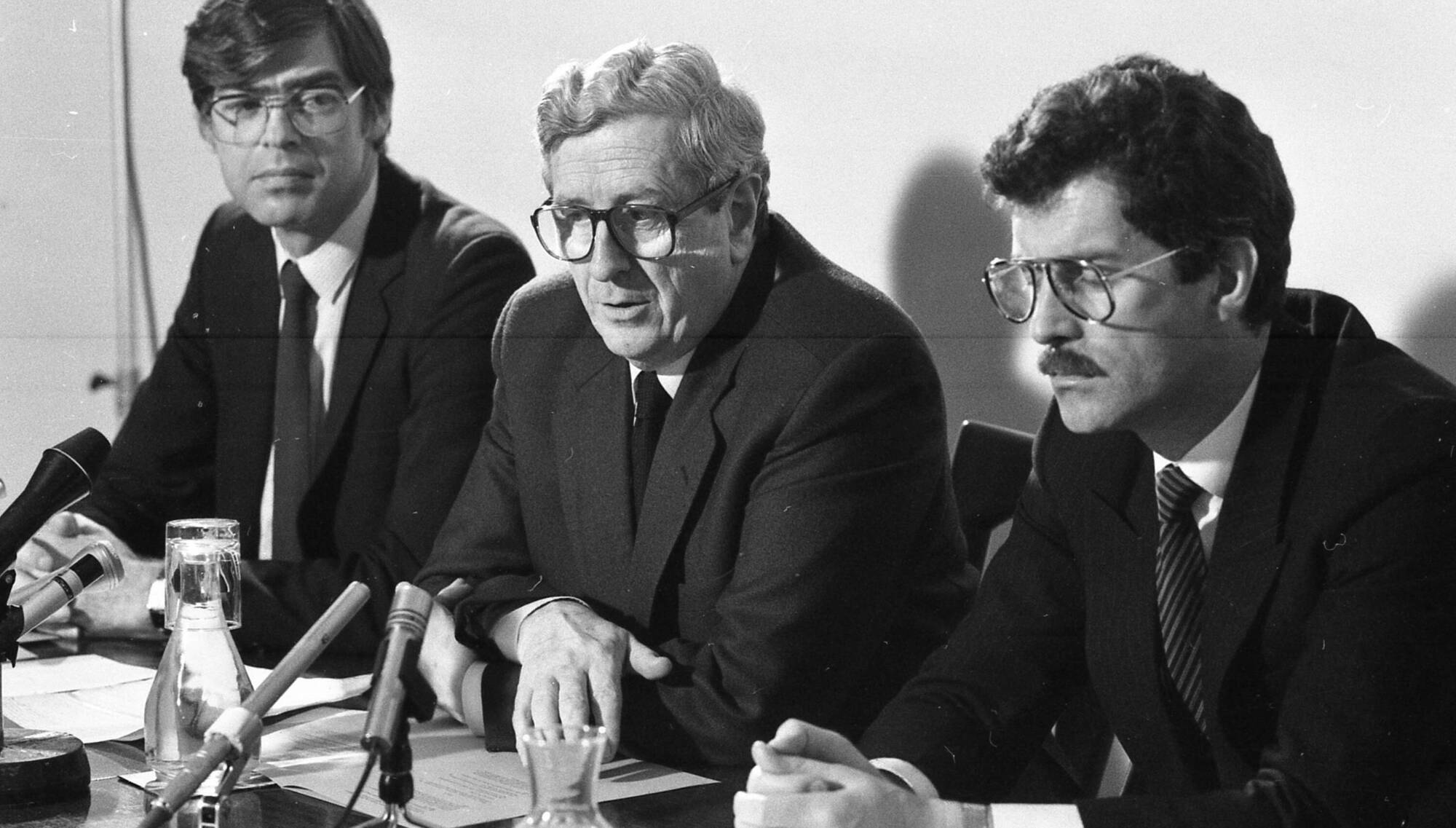
Then finance minister Alan Dukes, taoiseach Garret Fitzgerald, and tánaiste Dick Spring launching the divorce referendum campaign on April 23, 1986. Picture: Independent News And Media/NLI/Getty
Years ago, I wrote a book about the long period I spent working in Irish politics and for several Irish governments.
The second chapter of that book was supposed to deal with the period from 1983 to 1987 working for a government led by Garret FitzGerald.
The opening sentence of that chapter described those four years as a blur.
There was a reason for that — or several reasons really. Very few of us who worked for that government had any prior experience of government formation or the necessary relationships that make a government coherent. That certainly included me.
It was four years of unremitting crisis.
HISTORY HUB
If you are interested in this article then no doubt you will enjoy exploring the various history collections and content in our history hub. Check it out HERE and happy reading
It followed a period of very considerable political instability — there had been a year for instance when three inconclusive general elections had taken place, and FitzGerald and Charles Haughey had performed a version of Lanigan’s Ball in the taoiseach’s office.
We inherited a series of disastrous economic policy decisions, including a famous budget when Haughey had cooked the books and left an unbelievable mess behind.
And a lot of the people in that government didn’t really know each other, had never really worked together, and in some cases didn’t trust each other at all. We had endless late nights, endless rows, endless policy standoffs, and more than a few resignations.
We never got on top of the financial mess Haughey left us, and we were routinely accused of making it worse. Haughey, who staggered from self-generated crisis to crisis throughout his leadership, coined the phrase “inherently unstable” to describe us and used it in every public utterance.
You’d never think we lasted four and a quarter years.
We were led by a man who was undoubtedly a visionary, a man who saw the future that he wanted to build. Unfortunately, Garret FitzGerald was never quite sure how to build it.
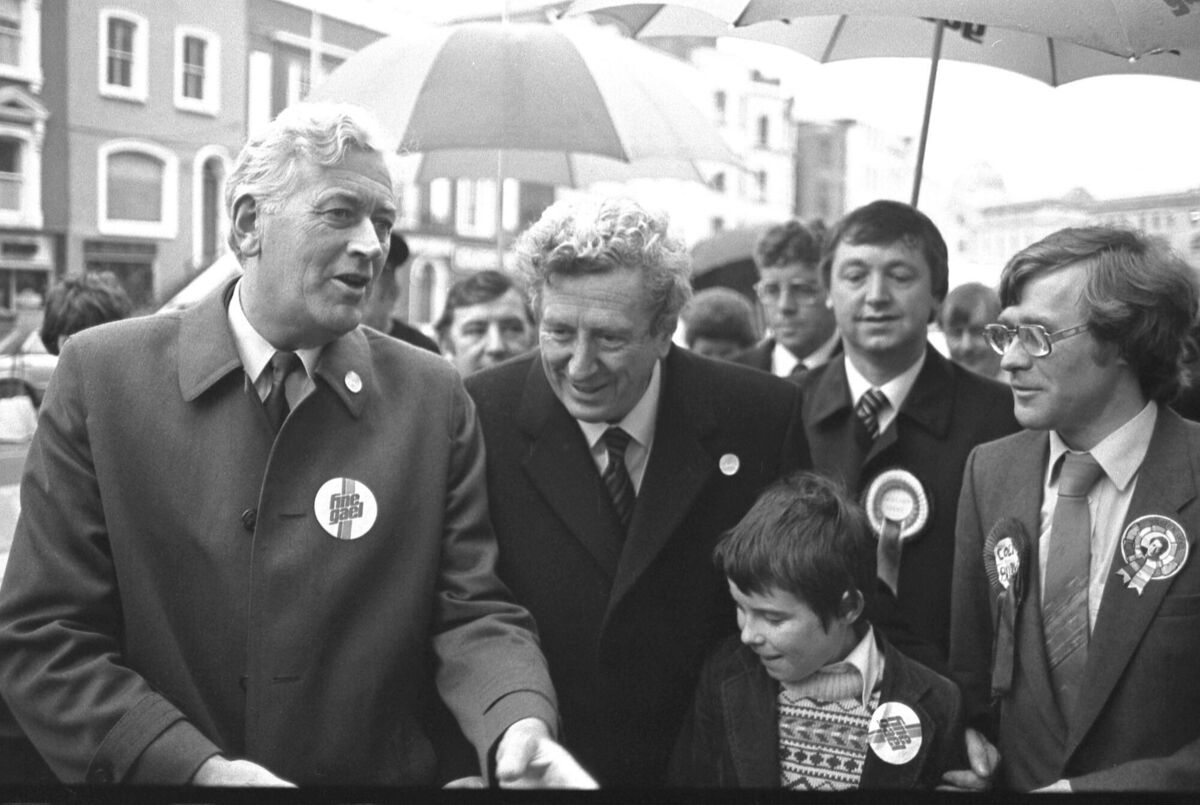
He had great strength and great achievements and left a lasting legacy. Towards the end of that government he endured public humiliation at the hands of Margaret Thatcher but had emerged with the groundbreaking Anglo-Irish Agreement of 1985. But his management of a series of economic and political crises at home meant that his government was surrounded by hostility.
His central vision in those years, apart from Northern Ireland, was what he thought of, and sometimes called, a constitutional crusade. He was determined to bring Ireland into the light and break the stranglehold of deeply oppressive Church-State relations.
That hadn’t got off to a very good start when he was effectively trapped into supporting a “pro-life amendment” that he believed was unsafe.
And his government was beset by a series of issues that demonstrated all too clearly how oppressive the power of religion, both formal and unspoken, could be, especially on the lives of women.
Ann Lovett was a girl who died giving birth beside a grotto in 1984 in Granard, Co Longford.
She died in agony and fear, having hidden her pregnancy from the world. Eileen Gleeson was a young teacher who was sacked by her employers because her “lifestyle” was “repugnant to the values of the Holy Faith nuns” (the employers in question). Her crime was that she had a relationship with a separated man. And in 1985 the Irish High Court ruled that the nuns were right to sack her.
Of all the disgusting things that happened in those years — and that we were all powerless to stop — the Kerry babies case was the one that consumed the country for months.
A public tribunal was set up to investigate wrongdoing in An Garda Síochána. But the gardaí succeeded somehow in turning the entire charade into the merciless destruction of the reputation of a young woman called Joanne Hayes.
The early 1980s were marked by the emergence of MTV, the rise of consumerism, great global tragedies like the the Chernobyl disaster and the Columbia shuttle explosion. But in Ireland there was this endless feeling that nothing would ever change.
Garret FitzGerald decided that a referendum to allow for the introduction of divorce was necessary to finally begin to let light in.
Ireland was the only country in the world where divorce was banned in the written constitution and where there was no escape from corrosive and destructive relationships that were utterly broken.
Changing that would enable a fresh start, not just for individual people, but for a country desperate to turn a corner...
Except that he, and we, made a complete bags of it. In every conceivable way.
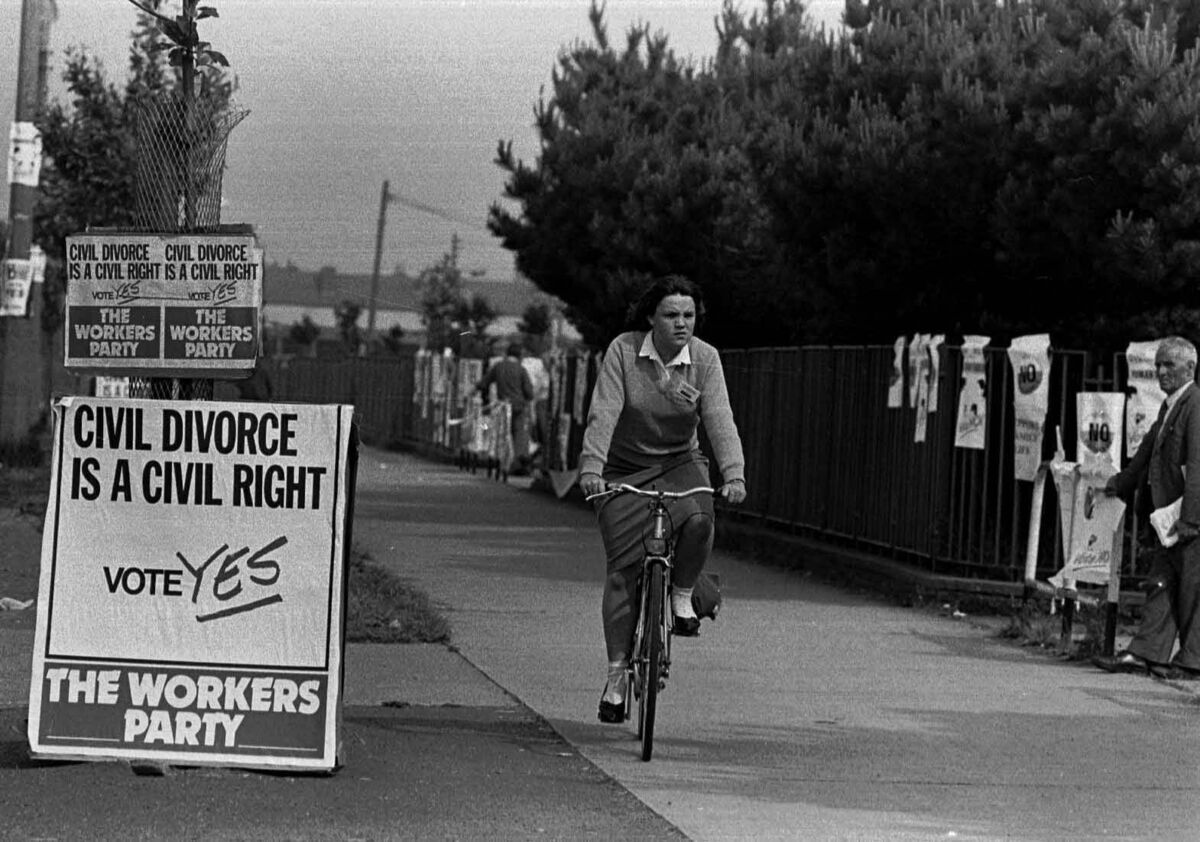
To the frustration of his entire government, Garret made the fundamental mistake of believing that he could persuade the Catholic hierarchy (imagine) to go along.
So endless weeks of “consultation” replaced preparation on the government side.
Not so on the opposition side, where an urbane and exquisitely polite professor called William Binchy emerged as the leader of the no campaign.
The no campaign was joined by Charles Haughey.
The dogs in the street knew that Haughey, though a married man, had a mistress. But in a stunning act of hypocrisy he announced the sanctity of the family must be protected at all costs. So he would take the opposite side to the loving and devoted husband Garret FitzGerald.
When eventually wording for a constitutional change was produced, it effectively placed an onus on individuals to prove to the satisfaction of a court that their marriages had been broken for years.
For that reason, it was seen as couples having to prove their partners were at fault. Every application was going to be tortuous, painful, and long-drawn-out.
If the courts were satisfied, they would be the arbiter of everything else. The courts would decide what would happen to the family home, and perhaps even more importantly, to the family farm. It even became unclear how children and their welfare and their future would be protected.
The campaign that unfolded was one entirely based on fear.
Whereas the anti-divorce side had one main spokesperson, hammering away at the anti-family nature of FitzGerald’s government, the government side seemed to have a different minister taking part in every debate, sometimes offering different perspectives from his or her colleagues.
The campaign became a shambles.
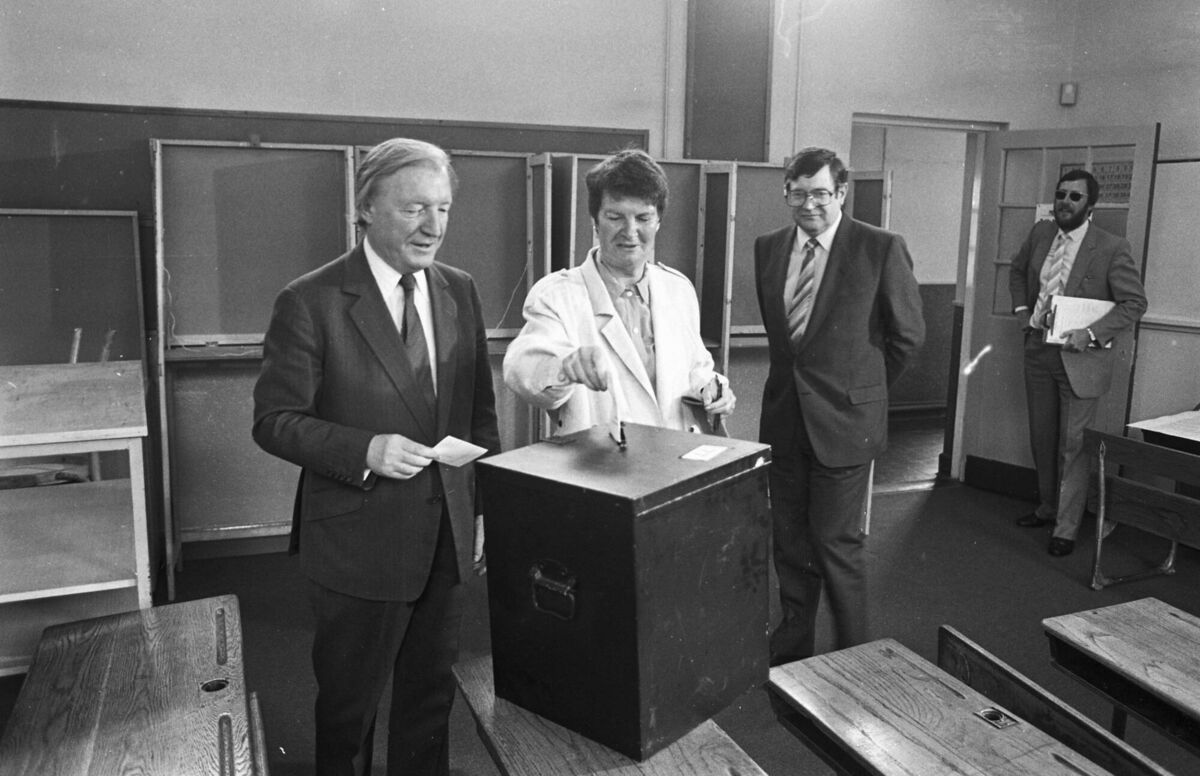
In the run-up to the referendum, there had been a number of very promising opinion polls suggesting change was going to happen. On the day, at the end of June 1986, the people rejected change by 63% to 36%.
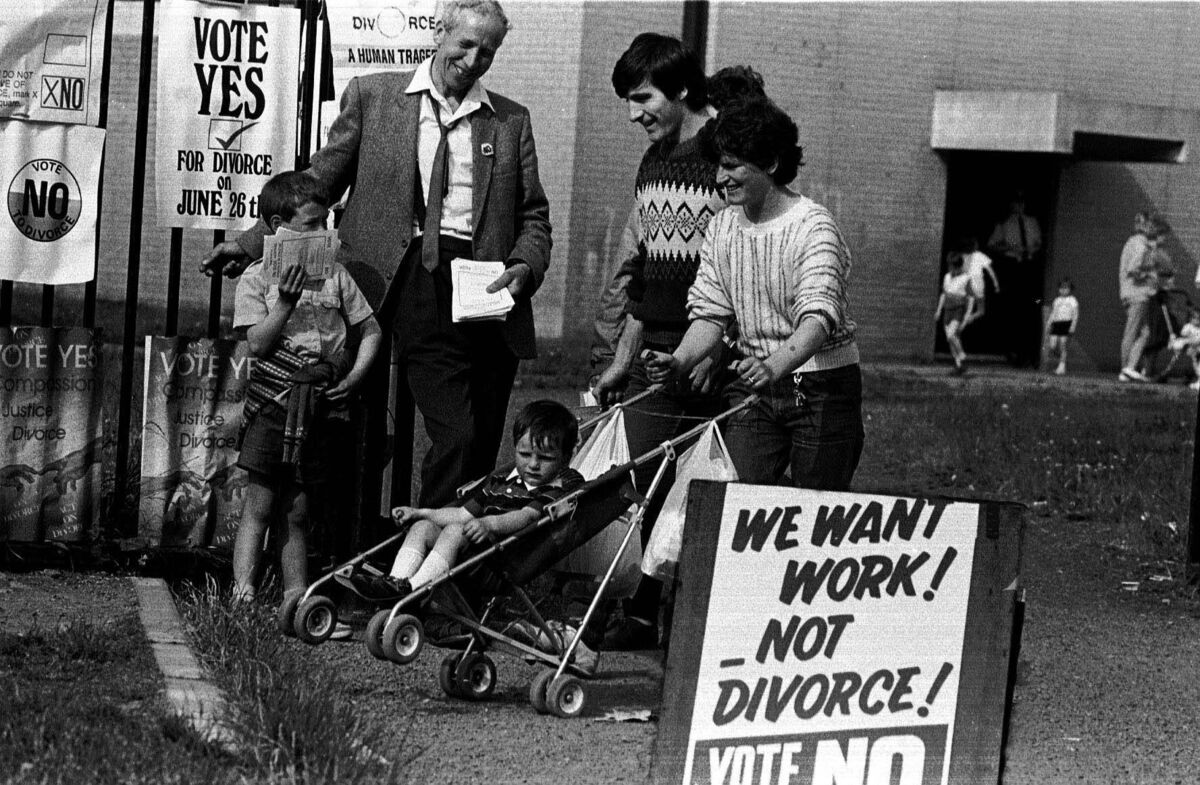
An increasingly unpopular government had mounted a decent and worthy effort to bring long-sought change to struggling families.
But the way they went about it meant it would be another 10 years before we finally saw the introduction of divorce in Ireland.
But, oddly enough, almost as soon as people cast what was seen as a very unforgiving vote, they began to regret it. That same year we got a surge of self-confidence through the exploits of an unlikely hero, an Englishman called Jack Charlton.
Just a few short years later in 1990 we elected Mary Robinson as president of Ireland. A different future began.
So maybe Garret FitzGerald failed. Or maybe he did succeed in opening a crack. And as we know from the Leonard Cohen song, that’s how the light gets in.
Read More
CONNECT WITH US TODAY



Be the first to know the latest news and updates