AI is here, but is Ireland asking the right questions about its future?
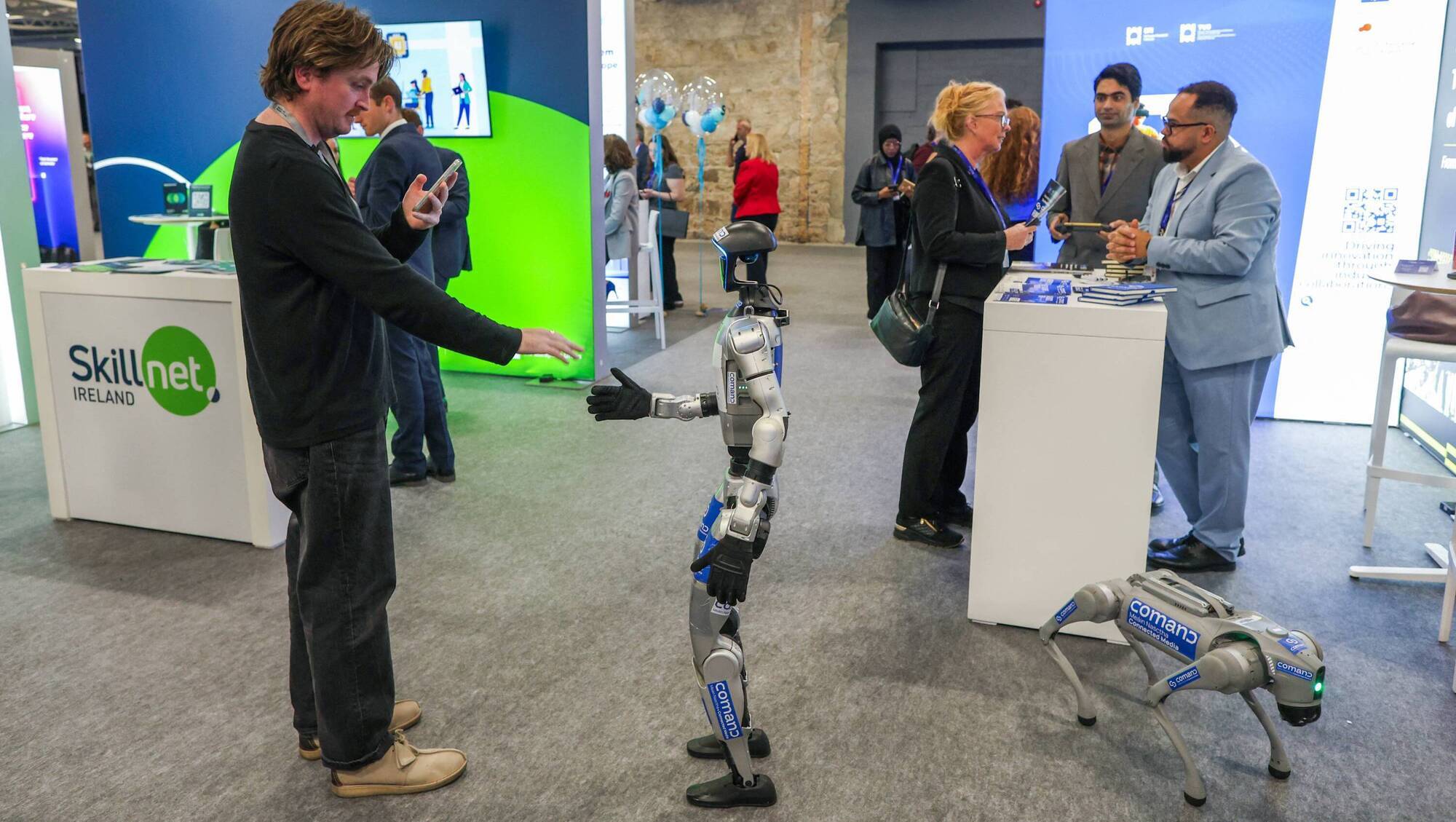
A Unitree G1 Humanoid agent AI avatar robot and a Go2 Quadruped Robot Dog at the International AI Summit in Dublin on Wednesday. Photo: Paul Faith / AFP via Getty Images
There was a robot on display at this week’s much-trumpeted International AI Summit in Dublin. The prototype AI unit stood out, if only because it was the event's sole humanoid exhibit.
Named Jean, the robot was adept at greeting visitors with a chirpy "Welcome to the International AI Summit" — despite lacking a mouth. Beyond that, however, its capabilities appeared somewhat limited.
“Can she shake hands?” I asked.
“Erm, she might be able to wave,” came the reply.
Jean duly obliged, although in the sort of janky, faintly unsettling manner you might associate with animatronics in shop windows at Christmas time.
In time she will be capable of being used to perform tasks like welding, according to her guardians. Presumably the plastic hands will have been done away with at that point or else they could have a fire risk on their hands.
Read More
Jean stands as a metaphor for the event itself — sleek from afar, but a bit less convincing up close.
Styled a la the gargantuan tech conferences we’ve all come to know over the past decade-plus, the event came across as Web Summit Lite, like the free version of an app where your data allowance runs out after an hour and you have to wait until midnight to pose another query.
The set-up was simple enough: An auditorium for speeches and fireside chats — the trendy term for two people wearing wraparound microphones talking before an audience — and an exhibition hall showcasing the companies in attendance.
There was no doubting the calibre of the organisations present. All the biggest names in AI were in attendance: Anthropic, Google, Microsoft, Meta, and OpenAI, which won the award for comfiest couch at its stand by a distance.
The executives were there too, such as Sarah Friar from OpenAI, Deepu Talla from world-leading chip manufacturer Nvidia, and Microsoft president Brad Smith.
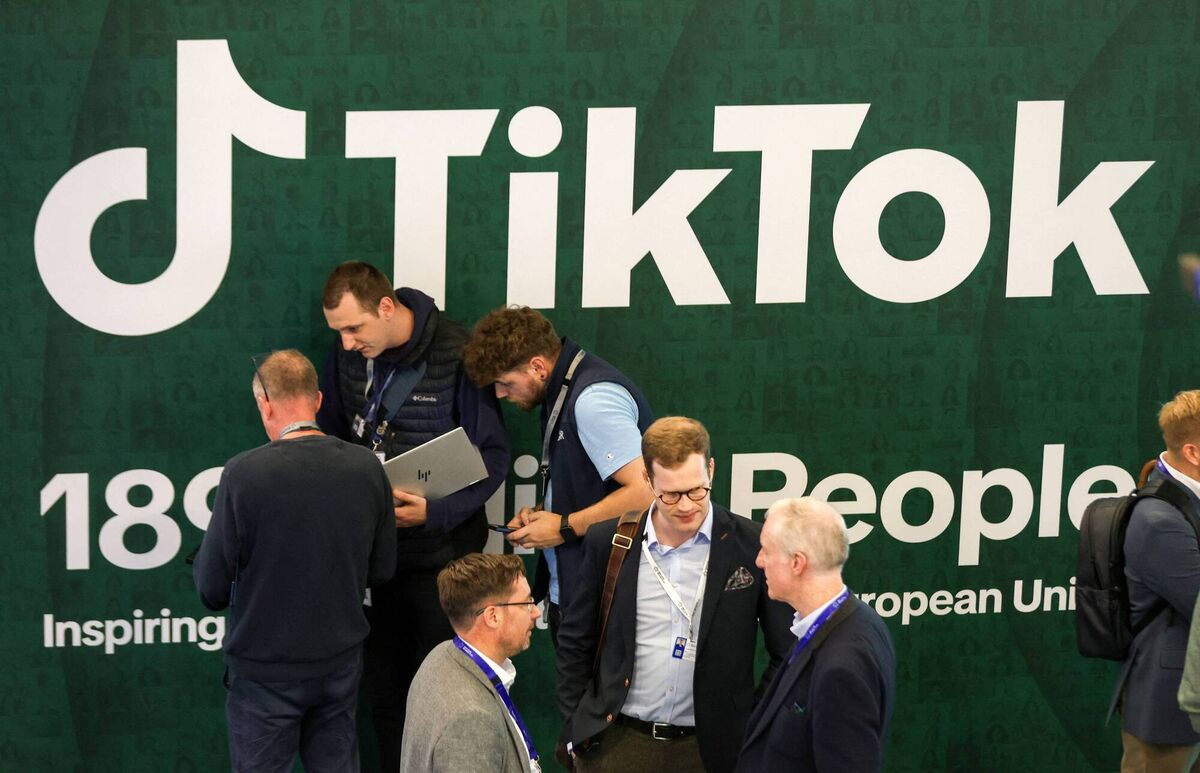
Other major companies were there too, including Deloitte, Kerry Group, and TikTok. Interestingly, TikTok was hosting a side event on privacy and safeguarding on its platform, not a topic most people would consider as the company's calling card.
For many delegates, the most important aspect of the event appeared to be simply being seen at the conference. While the 1,500 attendees offered ample scope for dealmaking, there was considerably less time to actually do it.
There was room for smaller concerns too. Údarás na Gaeltachta aims to develop the Gaeltacht economy in order to preserve and enrich the Irish language as its principal language. Its officials were present and touting the potential for AI to properly translate the Irish language, for example.
It ran a live scorecard comparing the performance of various AI models, tracking in real time which was doing the best job with its cúpla focal.
The agency's exhibitor, Matt, spoke in unmistakably enthusiastic terms about the organic improvement in AI's ability to speak Irish. No one had specifically tasked the technology with working on and improving its Irish-language skills, yet improve it has.
"Forget about Google Translate, it's 20 years out of date," Matt assured me.
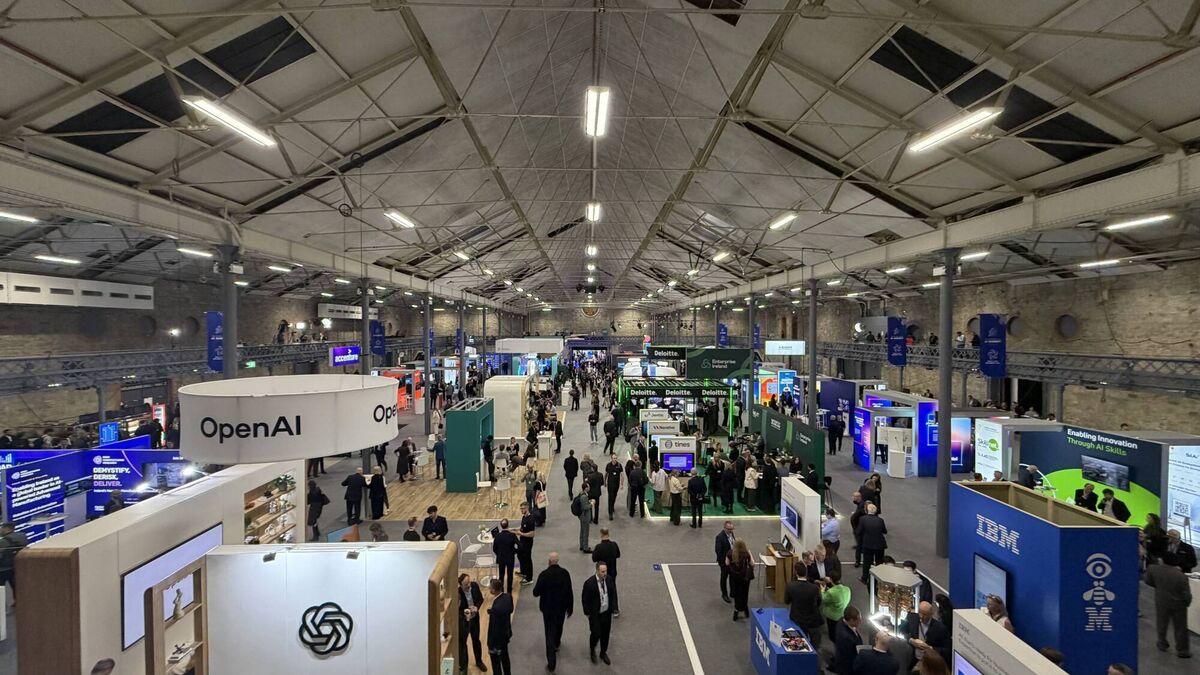
While the more simplistic logistics of the RDS belied the State-sponsored nature of the summit, there is little doubt that it was an important event to be seen at for the industry. That in itself is a major endorsement of Ireland.
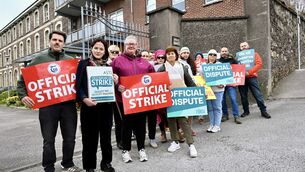
With the conference taking place on Wednesday, all around Ballsbridge picketing public sector workers stood with their placards, while a full protest against "energy vampires and job robbers" made itself known directly outside the RDS.
In a statement, the department said on Friday night: "The final costs associated with the event are currently being collated and reconciled.
"As this was a major international event involving a range of operational requirements, this process is ongoing."
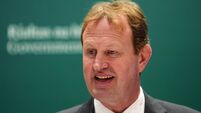
A signature event of Ireland’s presidency of the EU, the politicians involved — primarily Taoiseach Micheál Martin, enterprise minister Peter Burke, and event organiser-in-chief and AI minister Niamh Smyth — were effusive in their enthusiasm for all things artificial intelligence.
Mr Burke in particular spoke at the event of Ireland being well-placed to “harness a lot of the growth potential” of AI given our already “very developed tech sector”.
The message was clear: So far as Ireland Inc is concerned, it’s full steam ahead on AI.
Asked if he was concerned about reports that huge swathes of jobs could be disrupted because of the technology, Mr Burke was unequivocal: “I do not see this as a time of decline for the Irish economy, I see it as a transition.”
The Taoiseach was also asked whether he had concerns about how trustworthy AI is, given the extent to which the State is backing its adoption. He responded that “AI is already here”.
The implication was that concerns about trust were less pressing than the risk of Ireland missing out on the opportunities presented by the AI boom.
Less convincing were the answers to questions as to what we all will do if the AI industry crashes. Given the truly stupid amounts of cash that have been thrown at it for no discernible return, such an eventuality is more than possible.
“AI is here. There is no argument on that. So it's about ensuring that we have the skills, we have the leadership, we have the safeguards, and build public trust, and ensure that we incentivise that innovation,” said Mr Burke.
AI is here alright. Whether that’s a good thing is open to question.
CONNECT WITH US TODAY



Be the first to know the latest news and updates