Katriona O'Sullivan: 'Trauma stays forever, but I have a loving voice now'
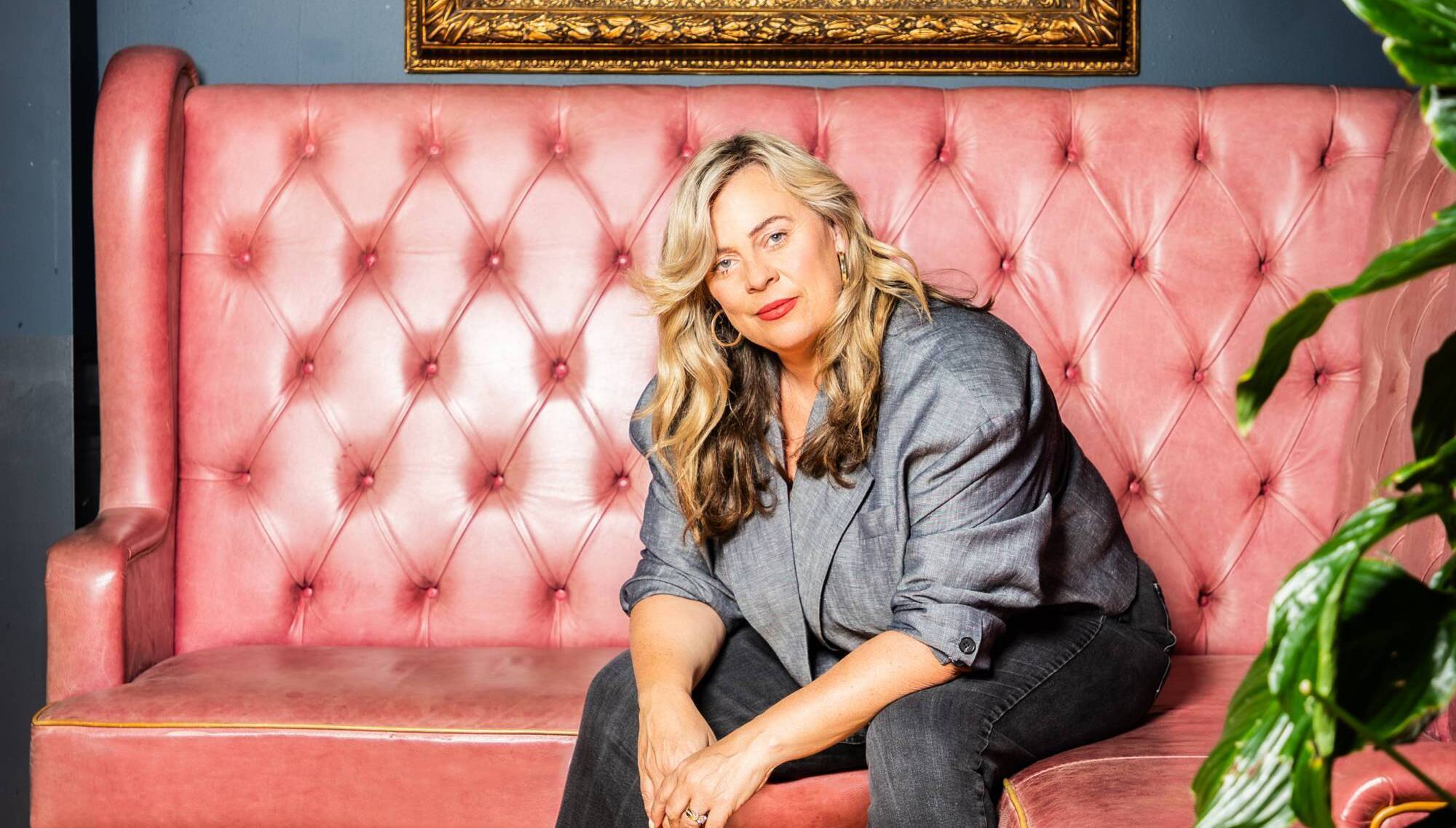
Katriona O'Sullivan pictured at The Upper Deck at The Yacht in Clontarf. The author speaks to Gemma Fullam about how her past still affects her, and of the healing she has had through therapy Picture: Nina Val
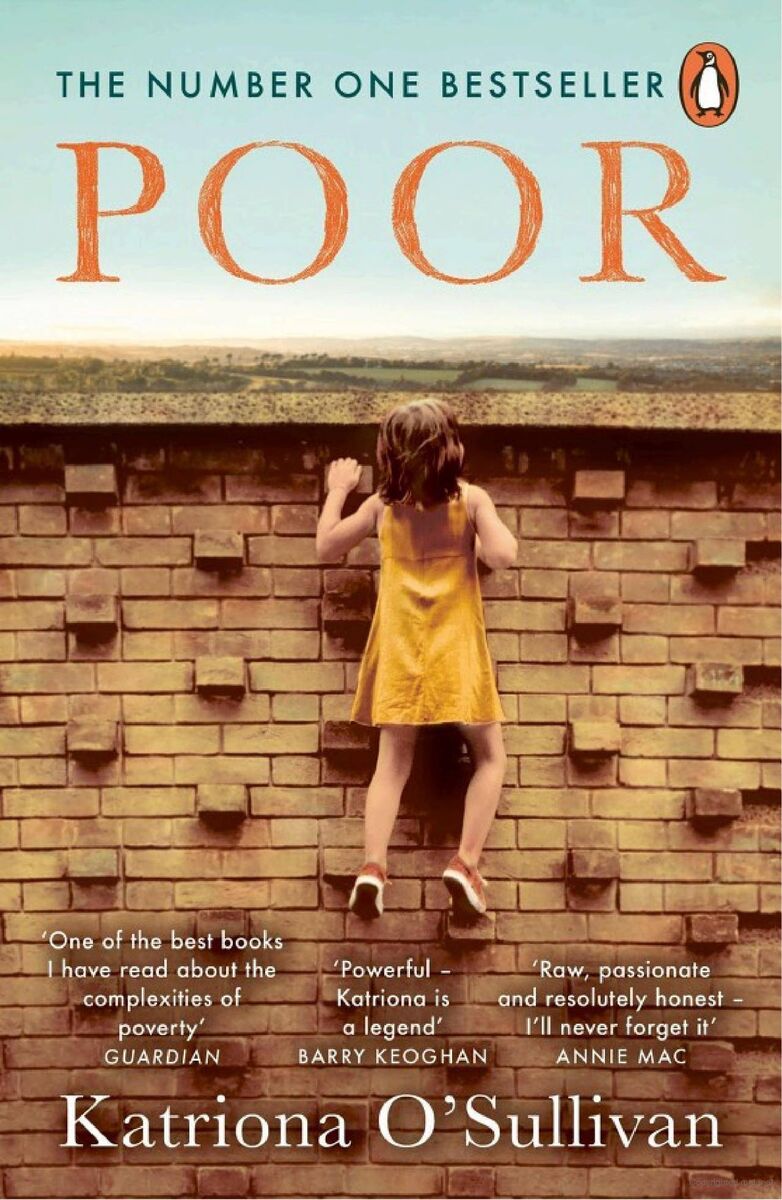
At this point, there can hardly be a household in Ireland without a copy of Katriona O’Sullivan’s extraordinary debut, Poor.
The Coventry-born professor of psychology’s powerful memoir entered the Irish non-fiction bestseller list at number one in May of 2023 and has remained in the top 10 ever since. It’s won multiple awards, has been translated into seven languages, was adapted for the stage in 2025 and played to sold-out audiences at Dublin’s Gate theatre that year and this year. The story speaks to people.

O’Sullivan, 48, moved to Ireland in 1998, when she was 20, and now lives on Dublin’s Northside with her husband, Dave. She has three sons, John, Seán, and Tadhg, and is also a grandmother. We meet in a quiet Clontarf pub on a sunny morning ahead of her keynote address at ieStyle Live, the Irish Examiner’s flagship event at Cork City Hall; she greets me with a warm, welcoming smile. I loved Poor, I tell her. Why does she think the book has resonated with so many?
“It’s got different themes in it… there’s bits for everybody,” she says, and that’s true — motherhood, abortion, and addiction are among the big topics within its pages. It’s not misery lit, though. Rather, it’s “a story of hope, and of help”.
“I think the story of all the people helping me really resonates with readers... we live in a world that’s quite dark right now, and reading a story where I was helped by great people, policies and practices to develop and shine really resonates with people. We want to see the underdog doing well.”
It’s shone a light on poverty, something “we ignore as a society; we pretend it’s not happening”, she says, but many readers have themselves been poor, or have known people in poverty “so they know what I’m saying is true about how it affects someone’s life, and I think that’s moved people”.
Poor is also, she points out, a great story: “A girl who was born into nothing becomes a professor, finds love, learns how to love herself. And is helped to do that along the way.” Those who helped O’Sullivan — including teachers Mrs Arkinson, Miss Hall and Mr Pickering in the UK, then community worker Joe Dowling and therapist May in Dublin — appear in Poor and its follow-up Hungry, and the non-judgmental kindness and practical support they gave her have, at this point, been discussed and acknowledged at length in interviews. But what about those who could, and should, have helped her, but didn’t. How does she feel about those people now?
“I feel angry,” says O’Sullivan. “Both Hungry and Poor are curated stories. I’m an intelligent woman who knows how to tell a story. If you’re too angry in your storytelling, people won’t hear you. So sometimes it might not come across how angry I am at being let down, but I am really angry at being let down by services and supports, particularly social services… I’m really angry that I wasn’t saved.”
Both books are dedicated to seven-year-old Katriona O’Sullivan. (‘To me, aged seven. I’ve got you’ is the poignant dedication in Poor, while Hungry’s reads ‘This book is for seven-year-old me — I’ve still got you!’ ) Seven is significant. O’Sullivan was seven when she was raped by a family friend. She was also around that age when she moved into a teacher’s class, who became another person in a long line of adults — teachers, social workers, police, family, friends — who harmed when they could have helped.
“She abused me because I was smelly and dirty, and she didn’t have any compassion,” she says of that teacher. “And it was very clear that I was poor and not being loved.
I did go back to the school, and I was apologised to by a couple of teachers who told me more stories about what this particular teacher did. They apologised because they should’ve done more to protect me from her, and they didn’t.
It’s all of our business to speak up if we see inequality or are aware that someone is abusing their power, she feels. “It’s not someone else’s job to fix things. It’s our job. And if you have a voice… you should be challenging when you see bias.”
While both of O’Sullivan’s books are by turns absorbing, shocking, enlightening, revelatory, and inspiring, Poor particularly is a hard read. There is no sugar-coating the abject poverty O’Sullivan was born into, the trauma she suffered as a result of her parents’ addictions to heroin and, latterly, alcohol; the sexual abuse she endured and the unrelenting harshness of her daily existence in which fear and hunger were her constant companions. She was failed by so many, but particularly by her parents. Does she forgive them?
Yeah. I forgive them because I forgive myself. There’s two pieces to me. There’ll always be the little girl who deserved better, and will look and think and feel ‘that shouldn’t have happened’. But forgiveness is a gift I give myself. It’s not a gift I give them. My husband has a great saying: Resentment is like drinking poison and expecting somebody else to die. I want to be free, and freedom means understanding and forgiving.
In her books, the picture she paints of her late parents is of two humans who possess both good and bad qualities. Her dad, Tony, encouraged her love of reading, while Tilly, her mother, supported her during the birth of her first son, John, when she was 15. She doesn’t depict them as monsters, because they weren’t. They were deeply flawed people, who “got really bent out of shape”.
Anyone could understand if O’Sullivan dwelled in a state of victimhood, but that is not the path she chooses. What she wants is to be free, and freedom for her is in forgiving her parents.
“Other people might not understand that or might not be able to get there. But for me, that’s my choice.” What does she think seven year old Katriona would think of her if she met her today?
“I’d say she would be really proud of me. I’d say she’d be like, ‘Why are you not dancing more?’ I’m not doing as much to be as joyful as I was when I was seven or before, so she’d be like, ‘Where’s the music? Where’s the performing?’ Because that’s the stuff I loved before all the bad things happened to me. I think she’d be really proud, and I also think she’d be surprised that I’m so loved. That...” O’Sullivan pauses momentarily. “I think she’d be surprised that I’m so loved. Cause she didn’t feel loved at all. And she didn’t feel lovable. I think the dark thoughts were, ‘No one’s ever going to come for you, no one cares enough to come for you’. So I think if she was here now, she’d be like, ‘Look at all the love that you have’.
“I think she’d be delighted with that.”
Read More
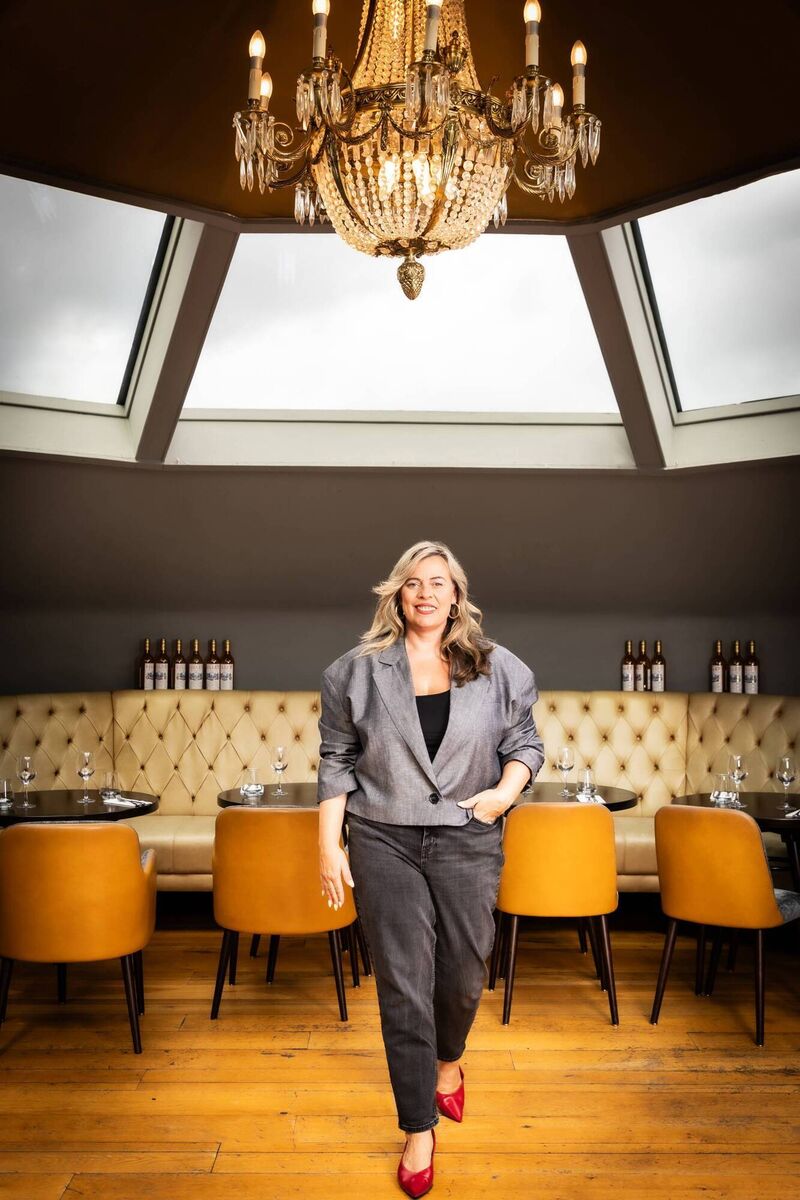
In both books, O’Sullivan vividly describes a spirited, intelligent child who is living in fear and chaos. She documents how she’d climb into the hot press “choking on the dust” to eat sugar sandwiches she’d hidden, finding succour in the sweetness and the shelter, safety in a world that was unsafe. While she might seem fine now, and while it might seem to the public and to her readers that everything is hunky-dory, it’s not.
“Trauma biologically changed me,” she explains. “There’s different types of trauma. You can have a one-off experience, which, then, if you get love and support afterwards, can not necessarily affect you for your whole life. But for me, it fundamentally changed me biologically. It made me constantly aware, looking for danger.”
Because of what she endured in childhood, she is in a permanent state of fight or flight, and lives with an undercurrent of anxiety.
“It never goes. And I think that’s one of the main reasons why I tell the story — because we can do better. For example, food rights; we can make sure that kids are not worried about food. There’s an abundance of food in the world. We can actually do something about that.”
She references Are You Somebody? the unflinchingly honest memoir by the late, great journalist Nuala O’Faolain, for which O’Sullivan wrote the 30th anniversary edition’s foreword. “[In it, Nuala spoke about] the lack of love from [your] mother, it’s like a stain that drips down into your family. I feel the stain still of trauma. And what that means is, when I enter a room, I look for danger. Or when somebody ignores me or does something, I assume it’s because I’ve done something wrong.
“I’m always worried that there’s not going to be enough food. I have all that still.
But what I have now — that I didn’t have — from therapy, is I have another voice. I have a loving voice that will say to me ‘you have nothing to worry about here. You’re safe. You’re fine’.
“So, trauma stays forever, but you can learn to self-soothe and self-manage, and that’s what I have through therapy.”
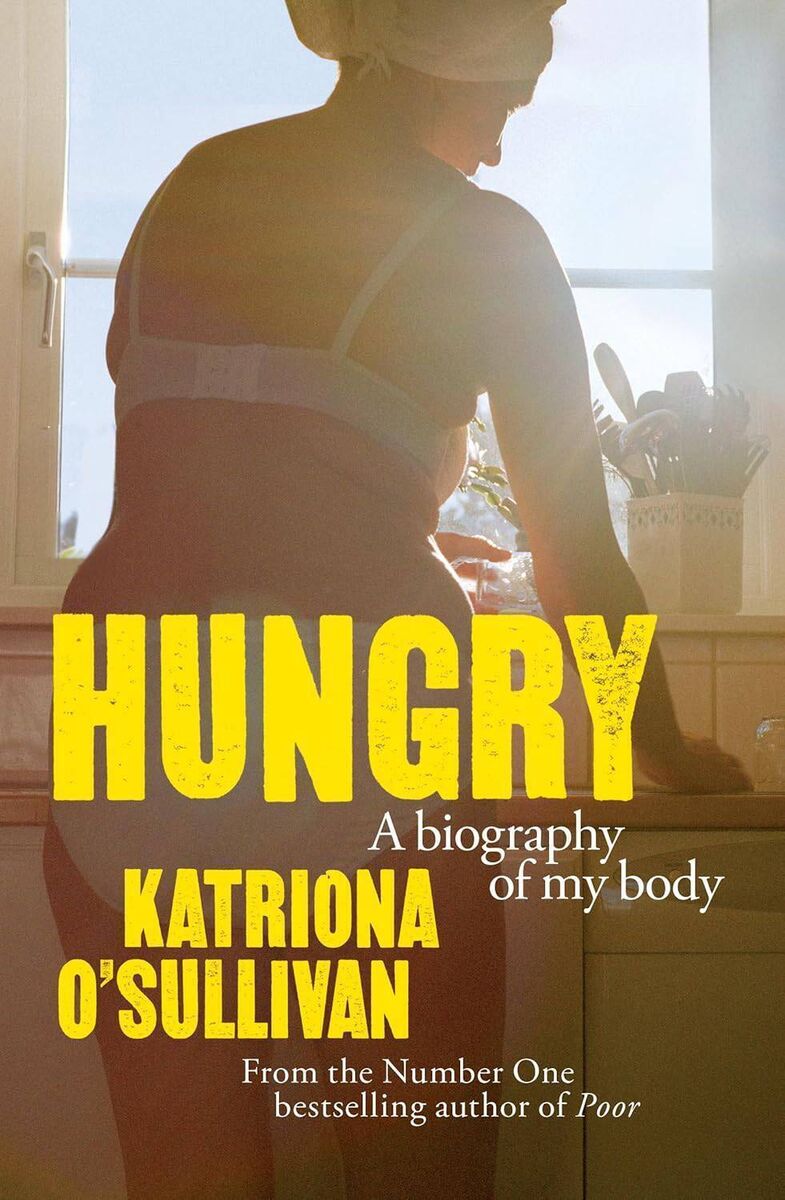
She’s also had to live with the complex relationship she has with her own body as a result of all that she’s endured and been exposed to, and that challenging journey is explored in depth in Hungry. Sexual abuse fractured her connection with her body, annihilating the free-spirited little girl who loved to sing and dance. The abuse resulted in O’Sullivan fixating, for years, on achieving “the ‘right’ body shape and size” to the extent that she had a gastric band fitted. Eventually, she realised the hurt was deep inside of her; that “it’s never going to get fixed by changing my body size or shape”.
“Healing is really hard,” she says. “It’s sometimes easier to live and chase the solution that’s outside yourself than to actually go inwards and go, ‘This is what happened to me’, or, ‘This is who I am as a person’. Because that’s really painful.” What would she like people to take away from her books?
“I’d like them to understand poverty, and that it’s solvable. I’d like women to know that they don’t need to be smaller physically, emotionally, sexually, psychologically.
“That it’s ok to be big. It’s important to be healthy, but it’s ok to be big, and some of the thoughts that you have are not yours. They’re planted there by an industry that’s making billions. Nobody was born with the idea that they needed to be smaller.”
O’Sullivan is giving herself the grace to be big, to take up space in the world, to continue making her mark, fearlessly calling out injustice and BS where she finds it. She is making a difference through her work — in her day job as a professor at Maynooth University, she directs the National Centre for Inclusive Higher Education and leads the Stem Passport for Inclusion, which has helped over 10,000 people from underserved communities into higher education and careers.
She’s written a kids’ book, out imminently, that’s “basically the story of Mrs Arkinson”, while in the works for publication in January 2028 is “a self-help book using my psychological knowledge and my personal experience to share with people what I do to like myself”, the working title of which is How to Like Yourself Even Though You’re an Absolute Mess. “One of the biggest compliments I get, which shocks me, is people go, ‘you’re just so yourself’. People [say it] as if that’s a bad or a shocking thing. People don’t really know how to just be ok with who they are, warts and all.”

- Katriona O’Sullivan was the keynote speaker at ieStyle Live at City Hall, Cork last Thursday. Her books, ‘Poor’ and ‘Hungry’, published by Hachette, are available now
Looking for a thoughtful gift?
Irish Examiner Gift subscriptions are now available.
Already a subscriber? Sign in
CONNECT WITH US TODAY
Be the first to know the latest news and updates