Court cases adjourned amid solicitors’ strike over legal aid reform
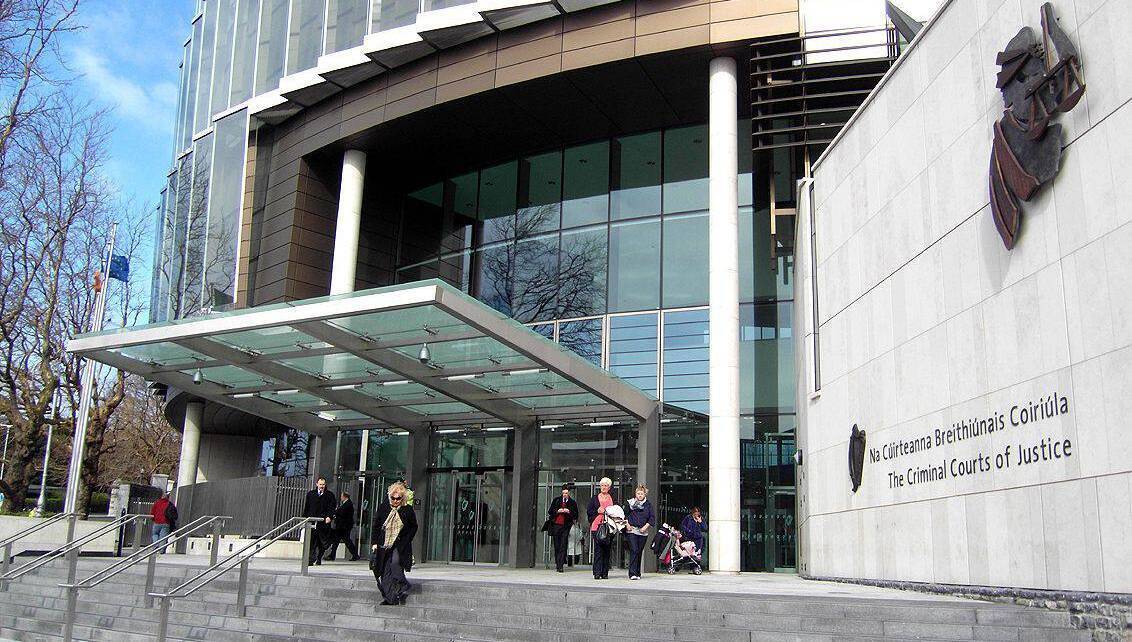
The circuit criminal court deals with a range of different cases, such as theft, drugs, robbery, burglary, assault, and sexual assault cases. These are cases which have been deemed too serious to be dealt with in the district court. File picture
A number of cases were adjourned this week at the Criminal Courts of Justice due to industrial action by criminal solicitors protesting a Government proposal to reform the payment model for legal aid cases in the district court.
The solicitors are protesting the introduction of a flat fee per legal aid client regardless of the number of hearings involved in a case.
Most defendant solicitors are paid each time they appear for a client, but from July 1, the Department of Justice is replacing this system with a flat-fee model.
This week, cases that were legally aided and in which the accused are on bail were, in the main, adjourned as defence barristers indicated to the court that they were neither attended nor instructed.
Read More
Courtroom number five, which is presided over by Judge Orla Crowe, is the first appearance court for circuit criminal court cases and is a busy courtroom with around 30 to 40 cases listed per day.
These cases are either the first appearance in the circuit criminal court, referred to as a new mention; for mention, for arraignment, when the accused person would indicate whether they wish to proceed to trial or plead guilty; or for sentence.
The circuit criminal court deals with a range of different cases, such as theft, drugs, robbery, burglary, assault, and sexual assault cases. These are cases which have been deemed too serious to be dealt with in the district court.
On Thursday, nine cases which were due for sentence in court five were adjourned. The people had admitted offences including money laundering, public order, having drugs for sale or supply, assault, and threats to kill.
One case in which a man was due to be sentenced for communicating with another to facilitate the sexual exploitation of a child was also adjourned.
All these cases were legally aided, and the accused was on bail. Cases received new sentence dates, usually in October or November. Cases in which evidence had been previously adjourned were, in the main, adjourned to next month for finalisation.
Court seven is the trial court in the Criminal Courts of Justice and is presided over by the president of the Circuit Court, Ms Justice Patricia Ryan.
The cases listed here each day are expected to have juries empanelled, and the case is then assigned a trial judge.
The cases in court seven were similarly impacted, with cases which are legally aided, and the accused are on bail, being adjourned as the defence barristers were neither attended nor instructed.
In the Central Criminal Court on Thursday morning, 13 sexual offence cases were listed to set trial dates, but no solicitors were present. One solicitor told the court that he had attended as a courtesy to the court but that “unfortunately, due to the ongoing dispute, I’m unable to assist the court”.
Dealing with the case of a Dublin man facing trial for rape, Justice Paul McDermott said the solicitor’s firm on record had written to the court in advance to say “they won’t be attending due to the ongoing issue with the minister”.
In another case, senior counsel in the case told the court that “due to continuing issues with the Minister for Justice, I’ve no formal instructions”.
Justice McDermott fixed dates for case management and trial but noted that “matters are up in the air in terms of this dispute”.
Having put one case, where the defendant has indicated he intends to plead guilty, into a date in late July for arraignment, he said: “The optimistic expectation is that these issues will be sorted”.
The solicitor on record did attend for the pre-trial hearing of a rape accused. The man is in custody and is facing trial over the coming weeks.