Addiction treatment centre records 'shocking' rise in crack cocaine addicts made up mainly of women
Coolmine CEO Pauline McKeown said addicts 'would be self-medicating through the use of crack cocaine to cover up depression, anxiety, parental stress'
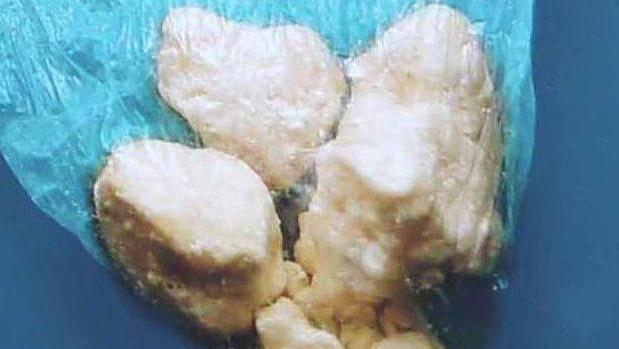
The drug is a smokeable form of cocaine that is chemically altered from cocaine powder to form crystals or rocks. File picture

The drug is a smokeable form of cocaine that is chemically altered from cocaine powder to form crystals or rocks. File picture

A leading addiction treatment centre has expressed shock at the increase in people needing treatment for crack cocaine use, saying they account for a quarter of all cocaine users now.

According to data from the Coolmine Therapeutic Centre, crack cocaine represented 12% of all presentations in the East and Mid-West regions during the first half of 2026. That is out of all drugs, including alcohol.

The drug is a smokeable form of cocaine that is chemically altered from cocaine powder to form crystals or rocks.

Coolmine has compiled crack cocaine presentations in its own separate category for the first time in its history for 2026, under the guidance of the National Drug Treatment Reporting System.

Coolmine CEO Pauline McKeown told the Irish Examiner they were surprised at how prevalent it is.

“We thought crack cocaine would have been potentially relatively low. The clients who are coming up with primary crack cocaine use will also have other substances in use as well… crack cocaine will be up there, but you're quickly followed by benzos and alcohol.

“The crack cocaine use that we see is in the communities that we work with where there's lower socio-economic groups and there’s deprivation."

Ms McKeown said crack cocaine’s prevalence is typically rooted in areas that have long-standing drug issues. Data showed that 57% of those identifying as crack cocaine users were women, differing from traditional patterns of addiction that are typically male-dominated.

“(Addicts) would be self-medicating through the use of crack cocaine to cover up depression, anxiety, parental stress," Ms McKeown said.

The use of crack cocaine came as an increasing number of clients presented to Coolmine’s services with addiction issues centred around cocaine. Powder cocaine accounted for 29% of all presentations.

Alcohol continued to be the dominant substance of abuse, making up 34% of all presentations. Men made up 59% of the total using the service.

In Cork and Kerry, more than half (53%) of presentations related to alcohol abuse while those for powder cocaine (24%) and crack cocaine (2%) were lower than the national average.

"The South-West continues to have its own unique profile, with alcohol remaining the dominant presenting substance. However, the continued growth in cocaine presentations demonstrates that no community is immune to changing drug trends,” said Coolmine’s Deputy Head of Services Anita Hill.

“Early intervention and accessible local services remain essential if we are to prevent addiction from escalating,” she said.

Another significant driver of figures was the increase in presentations from the Traveller community, jumping by 42% to 189 people compared to the first half of 2025.

“There's a prevalence there for Traveller community women to access (addiction services)” said Ms McKeown. 

She said women in the Traveller community can be caught in complex situations that feature violence and fraught relationships. "There's depression, anxiety, trauma," she said.

Coolmine also offers residential places for those battling addiction, with the number of children in residential care rising from 28 to 36. More than 3,200 people accessed addiction treatment and recovery support through Coolmine across 2025.

x

More in this section

Lunchtime News

Newsletter

Get a lunch briefing straight to your inbox at noon daily. Also be the first to know with our occasional Breaking News emails.

Cookie Policy Privacy Policy Brand Safety FAQ Help Contact Us Terms and Conditions

© Examiner Echo Group Limited