'Lost' Norman castle discovered on campus of Irish university
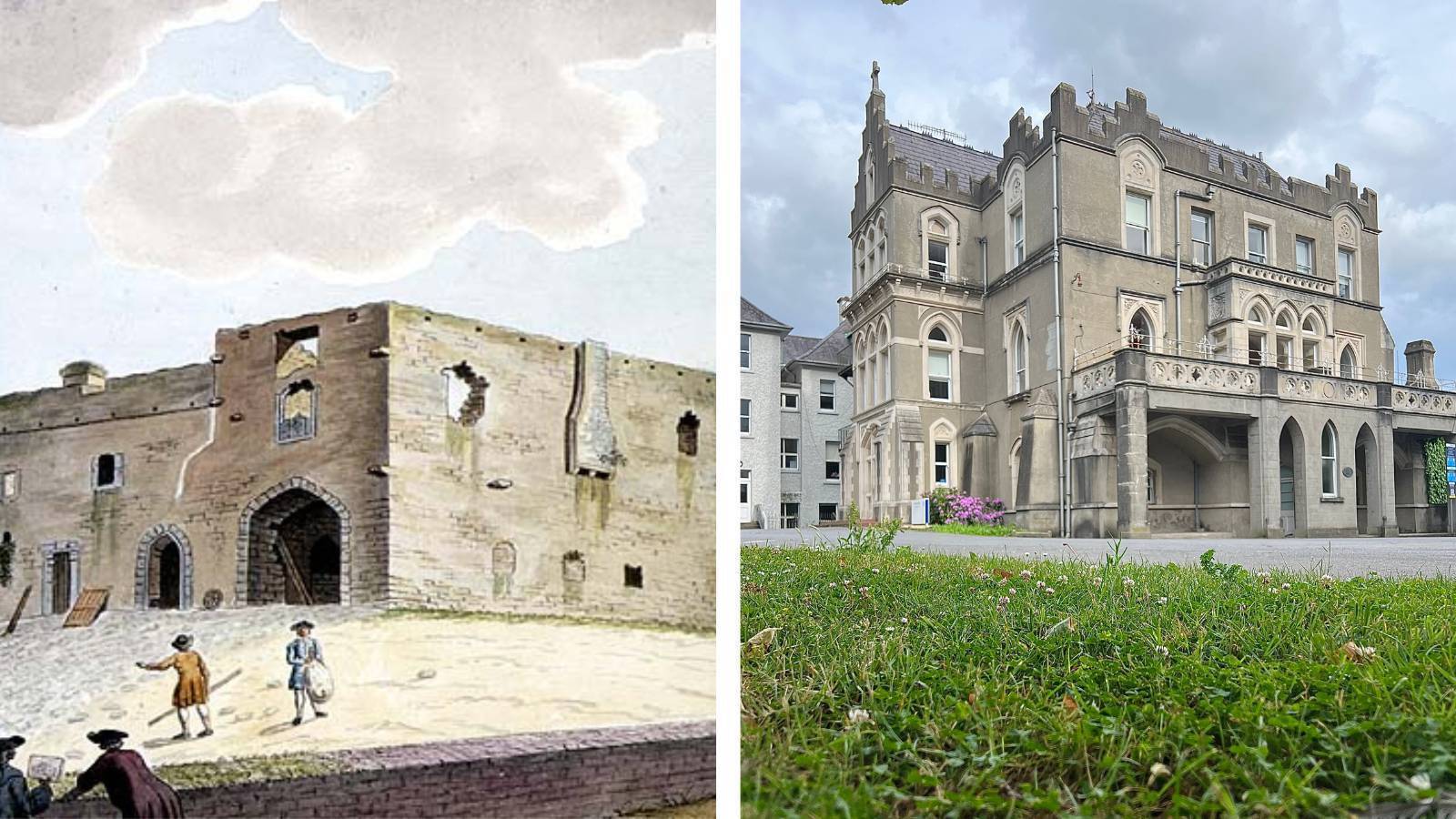
The Castle of Roebuck, a key fortress guarding one of the main approaches to medieval Dublin, was thought to have been demolished when the present-day Roebuck Castle was constructed about 150 years ago. However, substantial sections of the original castle survive within the later structure at UCD.
The remains of a 13th-century Norman castle long believed to have been lost have been discovered preserved within a building on the campus of University College Dublin.
Reobuck castle, a key fortress guarding one of the main approaches to medieval Dublin, was thought to have been demolished when the present-day Roebuck castle was constructed about 150 years ago.
However, new research has found that substantial sections of the original castle survive within the later structure, meaning UCD can now claim to have what researchers believe is the oldest standing building on any university campus in Ireland.
The fortress was built in the aftermath of the Norman invasion of Ireland and underwent a number of alterations during the Middle Ages.
Read More
HISTORY HUB
If you are interested in this article then no doubt you will enjoy exploring the various history collections and content in our history hub. Check it out HERE and happy reading
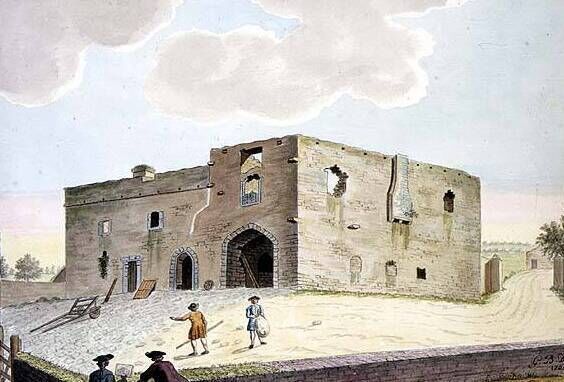
Its occupants included the Lord High Chancellor of Ireland in medieval times and the former King of England and Ireland, James II, in 1689. The castle fell into ruin during the 18th century.
On a visit to the site in 1786, the Dutch-born artist of Huguenot descent Gabriel Beranger, who lived in Dublin, painted the castle on canvas.
Tadgh O'Keeffe, author of the research and a specialist in medieval architectural history at UCD School of Archaeology, said: “Beranger’s depictions of the ruined castle are really fascinating.
“He captured the basic form of the building, as you would expect, but thankfully he also captured some of those small details which are the clues needed to work out the building’s structural history."
The researchers said Roebuck castle was lucky to survive well into the later 18th century, as many similar sites were demolished in the 17th century.
Their stonework would then be recycled for use in more comfortable residences.
Assumptions led historians to believe that the castle fell at the end of the 18th century when its then owner set about modernising the property; the thought that nothing had survived from the original.
“From the outside, the present building looks to be entirely Victorian. Inside, though, the walls of the old castle are preserved. The medieval features are still there,” said Mr O’Keeffe.
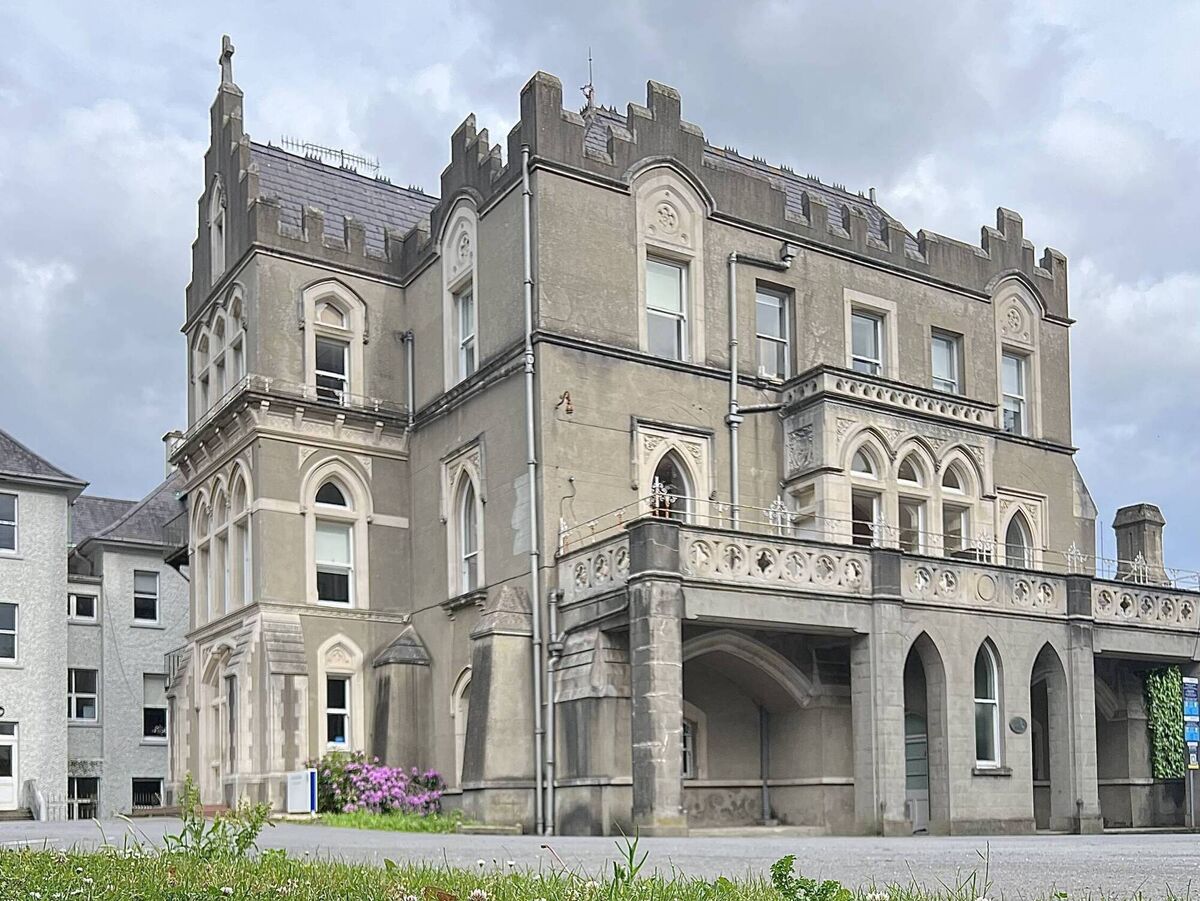
“They’re hidden under plaster, but they can be made out. We are incredibly lucky that the Georgian and Victorian modernisers of the property simply built around the medieval castle rather than demolish it.
“And we are also lucky that they built very little else on the site. The courtyard at the back of the house today is actually the medieval castle courtyard."
Further investigations will need to be carried out to establish the exact date of the castle.
Mr O’Keeffe believes that the oldest part of the site can be dated back to the early 13th century due to the accuracy of Beranger’s watercolours.

CONNECT WITH US TODAY



Be the first to know the latest news and updates