Defence Forces' internal complaints process should not be 'trusted' to deal with rape and assault claims
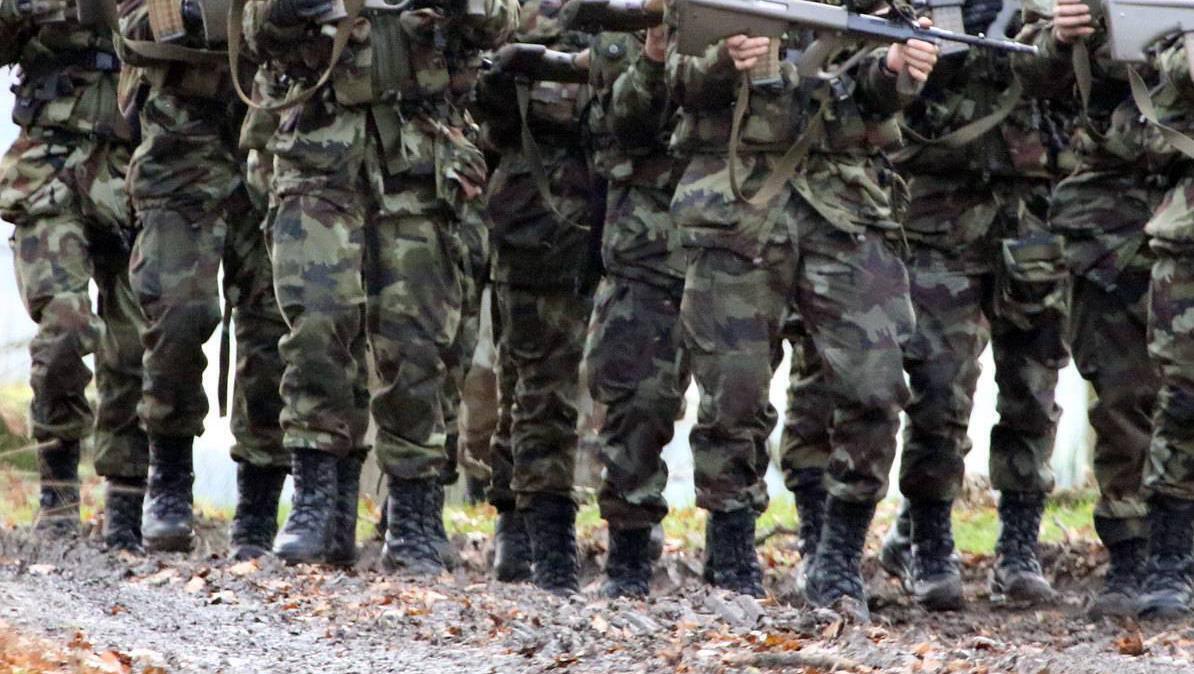
'I put my trust more on the civilian system than the military system.'
The Defence Forces internal grievance process is acceptable for “small, low lever” complaints but not for more serious matters such as rape and assault, a military expert has told the tribunal examining the organisation's handling of such matters.
Former special forces soldier and Norwegian government adviser Captain Kjell Arne Bratli was commissioned by the tribunal of inquiry to review existing complaints processes in the Defence Forces.
He said when it came to criminal matters like rape and assault, he would not trust any military process to handle it properly.
Cross examined by the tribunal’s lead counsel Michael Cush SC on whether someone accused of a criminal offence should be dealt exclusively by gardaí, Mr Bratli said: “I put my trust more on the civilian system than the military system.
Earlier, he told the tribunal that in his experience, “criminal actions should be dealt with by the police”.
He also pointed out the last time the Norwegian army used the court martial system was during the Second World War, and the country is now one of all but eight countries in the EU who have since abolished such a system.
“In times of peace, we put our trust in the civil system [of justice],” he said. “Any criminal act is dealt with by the civil courts.”
He added that, in his view, the court martial system “feels really strange” in a democratic society.
The Redress of Wrongs process is “structurally unsuited for serious complaints [because] people from the same unit [are] being involved in hearing complaints”, he said.
There is “no independent distance” between the person who makes the complaint and the Defence Forces, he added.
However, he said while “everything has developed in the right direction” and the existing complaints system is “in better shape than it used to be”, he "wouldn’t recommend [Redress of Wrongs] to deal with more serious complaints".
He added he could not see it being any good for anything other than “the smaller things”. He concluded in his review that disciplinary procedures in the Defence Forces up to recently were “not fully appropriate or adequate”.
The Defence Forces have now pointed out that while historically, rape and sexual assault cases were handled by the Defence Forces initially, that has now changed.
The Criminal Law (Sexual Offences and Human Trafficking) Bill 2023, amending Defence Act 1954 - and passed in 2024 - ensures gardaí have sole jurisdiction within the State to investigate alleged sexual offences committed by anybody subject to military law.
This means all cases of sexual assault, aggravated sexual assault, rape and rape under section 4 offences which take place across Ireland will be dealt with by gardaí and the civilian courts.
Military law continues to apply where such offences take place overseas, where gardaí do not have jurisdiction.
Speaking in the first module of public hearings of the tribunal in Dublin, lead counsel Mr Cush said allegations of a culture of abusive behaviour in the Defence Forces as exposed by RTÉ in 2021 “demanded attention and action”.
He spelled out what forms of abuse the tribunal was dealing with, and he said this included allegations of rape and torture.
He said with regards to any evidence due to be heard over the coming months, people needed to understand the Defence Forces was a “complex” and “unique” workplace, where “all lawful orders must be obeyed” and which has “no equivalent in civilian life”.
He added: “Obedience to commands is a key element in military life.” He also said the “unquestioning obedience” that is expected sets the Defence Forces apart from all arms of the State.
The first module of public hearings, at The Infinity Building, Smithfield, Dublin, will investigate whether complaints of abuse were “actively deterred or whether there was a culture that discouraged the making of complaints of abuse”.
Read More
As the tribunal team’s investigations are still ongoing, Mr Cush said, hearings will operate in tandem and will be held in modular form.
He said a total of 58 witnesses will give evidence in the first module, and six of these are those who suffered from the side-effects of the anti-malarial drug, Lariam (mefloquine).
Mr Cush said it was worth noting that of the 225 personnel who sued the State over Lariam side-effects, “not one of them complained to the Defence Forces”.
He said the tribunal wants to find out why none of them complained to the Defence Forces.
Established in June 2024, the tribunal is looking into the way the Defence Forces handled complaints about abuse and toxic chemical exposure from January 1, 1983, to June 20, 2024.
More than 20 barristers are involved, representing a variety of parties.
These include the Defence Forces, the Defence Forces Tribunal of Inquiry, the Department of Defence, the Defence Forces Justice Alliance, and the Women of Honour.
The groups also include the 34th Platoon Army Apprentice School Justice Group, the Defence Forces Whistleblowers Protected Disclosure Justice Group, the Defence Forces Lariam Justice Group, the Air Corps Chemical Abuse Survivors Group and the Search and Rescue Group.
The first hearing is the latest phase of the tribunal, which was established in June 2024 by then tánaiste and defence minister Micheál Martin, after a report of a review into allegations of brutal and “sadistic” abuse.
Those allegations were contained in the March 2023 Independent Review Group (IRG): Defence Forces Report, and included the rape of both male and female soldiers.
The report also found while abuse was mainly carried out by male officers — 88% of female soldiers polled reported they had suffered abuse — female officers were also involved.
This phase will include, from June 17, testimony from 36 former and serving members of the Defence Forces Apprentice School between 1989 and 1992 and is expected to conclude in the middle of July.
Their submissions were among the evidence provided by a total of 119 serving and former personnel, along with 17 individuals who handled complaints in the Defence Forces.

CONNECT WITH US TODAY



Be the first to know the latest news and updates