Defence Forces to explain at public hearing its handling of complaints from members
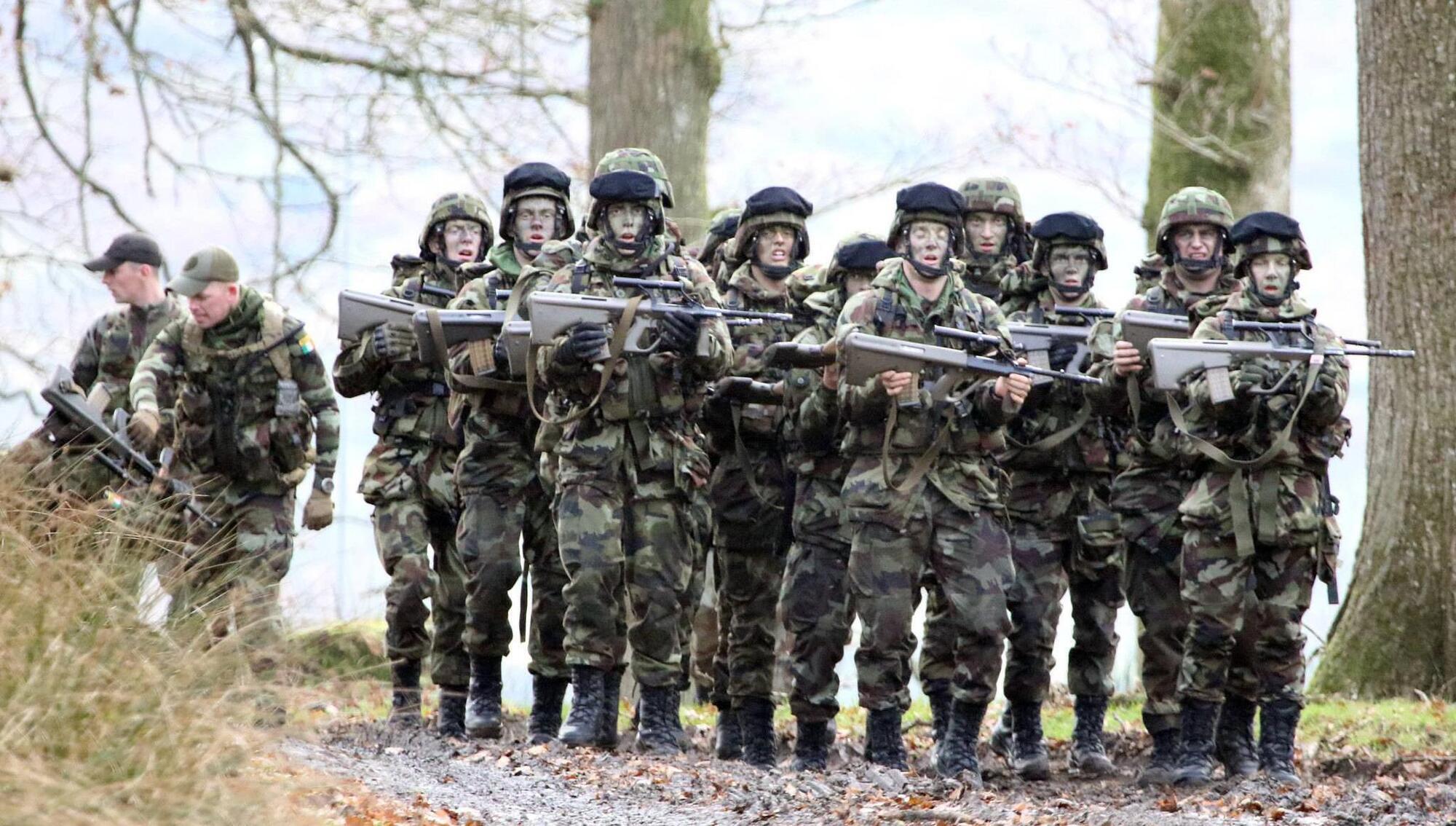
The report concluded that 'at best, the Defence Forces barely tolerates women and, at its worst, verbally, physically, sexually and psychologically abuses women in its ranks'.
Public hearings will begin today on how the Defence Forces dealt with complaints from male and female personnel including a number related to sexual abuse and rape.
Giving evidence before Ms Justice Ann Power, the Tribunal of Inquiry will hear evidence from serving and former Defence Forces personnel.
Read More
The first hearing is the latest phase of the tribunal, which was established in June 2024 by then Tánaiste and minister for defence Micheál Martin, after a report of a review into allegations of brutal and “sadistic” abuse.
Those allegations, contained in the March 2023 Independent Review Group (IRG): Defence Forces Report, included the rape of both male and female soldiers.
The report also found that while abuse was mainly carried out by male officers — 88% of female soldiers polled reported they had suffered abuse — female officers were also involved.
Those abused include the Women of Honour, a group of serving and former members whose allegations featured in an RTÉ documentary in 2021 which prompted the review.
The report concluded that “at best, the Defence Forces barely tolerates women and, at its worst, verbally, physically, sexually and psychologically abuses women in its ranks”.
General Seán Clancy, when he was serving as Chief of Staff of the Irish Defence Forces, said he was completely unaware of abuse and sexual assaults against members during his almost 40-year career.
In March 2023, the then Lieutenant General said it had only been through talking to serving members in the previous 12 months that he has become aware of the extent of bullying and sexual assault allegations.
The biggest group of serving and former personnel giving evidence at the tribunal will be members of the Defence Forces Justice Alliance (DFJA).
They include survivors of exposure to toxic chemicals in the Air Corps, survivors of alleged abuse at the Defence Forces’ apprentice school and those suffering the effects of the anti-malarial drug Lariam (mefloquine).
The first module of public hearings will "investigate whether complaints of abuse were actively deterred or whether there was a culture that discouraged the making of the complaints of abuse".
The hearings will be held at the premises of the Defence Forces Tribunal at The Infinity Building, in Smithfield, Dublin.
Proceedings will begin with an opening statement by the tribunal's senior counsel, followed by the testimony of some of more than 200 witnesses who have made statements to the tribunal.
Some witnesses will be giving their evidence in private, including those who have complained about allegations of rape or sexual assault while serving in the Defence Forces.
In those circumstances, the tribunal has said that their evidence might be heard behind closed doors “if it is in the public interest to do so”.
Where a witness has requested anonymity, they will be given a pseudonym by which they will be referred to throughout all public hearings and the final tribunal report.
These witnesses will be able to give their evidence from behind a screen which will shield their identity from everybody but the judge or lawyers asking them questions about their evidence.
CONNECT WITH US TODAY



Be the first to know the latest news and updates