Pit stop: The science behind smelling better with less plastic
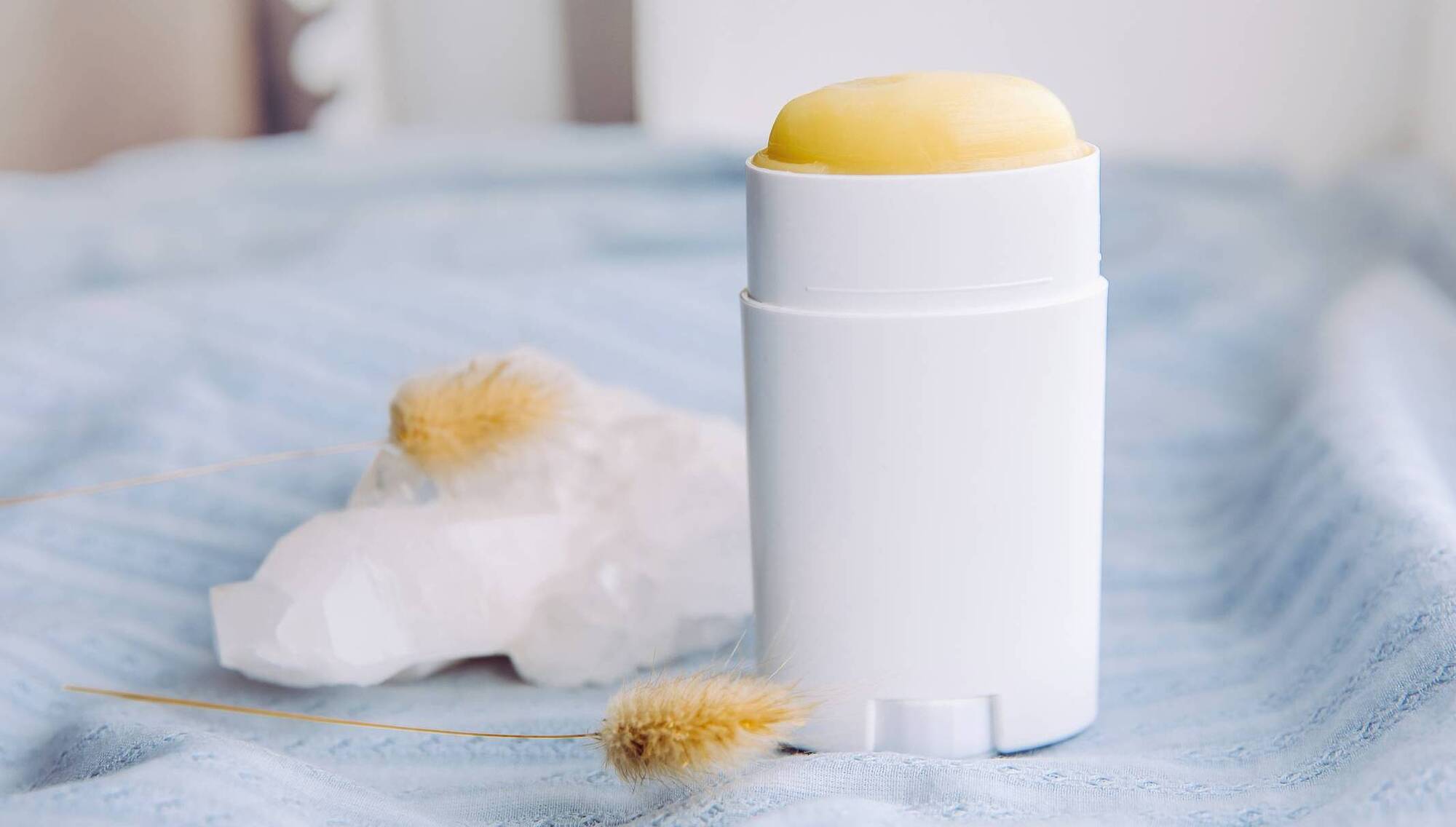
Refillable deodorants have elbowed their way into bathroom cabinets and promise fresher pits while resulting in less single-use plastic. They are a small gesture we can all make to help tackle the bigger packaging problem around bathroom products
Refillable deodorants are not world-saving on their own, but they are a useful example of moving from use-and-bin to use, refill and reuse. Sustainability is not always about grand gestures. Sometimes it is about policy, renewable energy, and biodiversity.	Picture: iStock

Refillable deodorants are not world-saving on their own, but they are a useful example of moving from use-and-bin to use, refill and reuse. Sustainability is not always about grand gestures. Sometimes it is about policy, renewable energy, and biodiversity. Picture: iStock

There are few relationships in life as intimate as the one we have with our deodorant. It is there for job interviews, first dates, fieldwork, heatwaves, and those unexpected moments when a quick walk becomes a full-body humidity experiment. So, switching deodorant is not a small decision. It is an act of hope, bravery and mild armpit-based risk. Over the past few years, refillable deodorants have elbowed their way into bathroom cabinets. Brands like Wild, Fussy and others promise fresher pits, less plastic, and the pleasing illusion that your life is far more organised than it really is. The idea is simple: keep the outer case and replace only the refill. Less waste, less guilt, and ideally, less smell.

That refill model matters because bathroom products are part of a much bigger packaging problem. Deodorant tubes may be small, but they belong to the vast family of single-use plastics. Many are made from mixed materials, caps, twist mechanisms or coloured plastics that are difficult to recycle in practice. Refillable deodorants are not perfect, but they follow a basic principle of the circular economy: keep the durable part in use for longer and reduce the disposable part. Instead of buying a new plastic container every time, you reuse the case and replace only the deodorant insert, often packaged in cardboard or compostable material. The environmental win comes from repetition. One case, many refills, less single-use packaging over time.

Love at first swipe

I am, I must confess, a convert. I use Fussy, personally. I like the case. I like the refills. I like the small moment of smugness when I click a new one in and think, “Look at me, saving the planet before breakfast.” But switching to a refillable natural deodorant is not always love at first swipe. There can be an adjustment period. Your body, or more accurately, your armpit ecosystem, may need time to get with the programme. And yes, I did just say armpit ecosystem. The first thing to know is that sweat itself is not the villain. Fresh sweat is mostly water, salts and small amounts of other compounds. On its own, it is not usually very smelly. The real drama begins when sweat meets the bacteria living on your skin. Your underarms are warm, moist and tucked away from fresh air. Basically, a five-star spa resort for microbes. These bacteria are completely normal and form part of the skin microbiome. But some of them break down components of sweat into volatile compounds (tiny airborne molecules) that our noses interpret as body odour.

The underarm has two main types of sweat glands. Eccrine glands produce watery sweat that helps cool us down. Apocrine glands, which become active after puberty, release a thicker secretion containing proteins and lipids. Bacteria are particularly fond of this richer material. Think of eccrine sweat as sparkling water and apocrine sweat as a buffet. This is why a person can sweat a lot and not smell too bad, while another can feel relatively dry but still develop that unmistakable trapped in a polyester blouse since 8 a.m. aroma. Odour is not just about how much you sweat. It is about chemistry, bacteria, clothing, hormones, stress, diet and whether you made the bold mistake of wearing synthetic fabric on a humid day.

CLIMATE & SUSTAINABILITY HUB

It also helps to understand the difference between deodorant and antiperspirant. Traditional antiperspirants usually contain aluminium-based compounds that temporarily reduce the amount of sweat reaching the skin surface. Less sweat often means less moisture for bacteria to work with, and therefore less smell. Deodorants are different. They do not usually stop you sweating. Instead, they tackle odour by masking smell with fragrance, absorbing moisture, changing the skin’s pH, or making life more difficult for odour-producing bacteria. If you move from a conventional antiperspirant to a refillable deodorant, you may suddenly feel wetter. That does not mean the product has failed. It may simply mean you are no longer using something designed to reduce sweat. Your body is not necessarily sweating more; you may just be noticing sweat that was previously being held back. This is where some people panic, declare natural deodorant a scam, and return to their old antiperspirant like a sailor returning to shore. Fair enough. Everyone’s body is different. But for others, the switch can work very well once expectations are adjusted. Natural deodorant is not a plug for your sweat glands. It is more like crowd control for your armpit microbes.

'Transition period'

That microbial crowd can change. Research has shown that deodorant and antiperspirant use can influence the abundance and composition of bacteria living in the underarm. In other words, your daily swipe is not just a cosmetic habit; it is a form of ecological management. This gives some scientific sense to the so-called “transition period.” It is not that your armpits are “detoxing” in the dramatic wellness-influencer sense. They are not releasing ancient toxins from a past life. But the bacterial community may be adjusting to a different environment. One that is wetter or drier, more acidic or less acidic, more or less friendly to certain microbes. Refillable deodorants vary, but many use absorbent powders, plant oils, waxes, fragrance and odour-control ingredients. Fussy, for example, uses ingredients such as tapioca, sodium bicarbonate, magnesium hydroxide, shea butter and lactobacillus ferment in its standard formula. Its sensitive range avoids sodium bicarbonate, which is useful because baking soda can irritate some people’s skin. I only discovered this recently and explains decades of itchy pits using a brand I won’t mention.

So, are refillable deodorants worth it? For me, yes. I like that the refills reduce plastic. I like that it works for me now that my body has settled into it. But the best deodorant is the one that works for your skin, sweat, clothes, budget and daily life. Environmentally, the most sustainable product is not always the one with the prettiest packaging or the leafiest branding. It is the one you will actually use, refill and finish. Refillable deodorants are not world-saving on their own, but they are a useful example of moving from use-and-bin to use, refill and reuse. Sustainability is not always about grand gestures. Sometimes it is about policy, renewable energy, and biodiversity. And sometimes it is about standing in your bathroom, clicking a compostable refill into a reusable case, and whispering to your armpits “Right guys, let’s behave today.” The future may not be entirely sweat-free. But it can smell better, waste less, and come with a little less plastic.

x

More in this section

Revoiced

Newsletter

Had a busy week? Sign up for some of the best reads from the week gone by. Selected just for you.

Cookie Policy Privacy Policy Brand Safety FAQ Help Contact Us Terms and Conditions

© Examiner Echo Group Limited