Nature Cams: Reconnecting us with the wild, or just another screen?
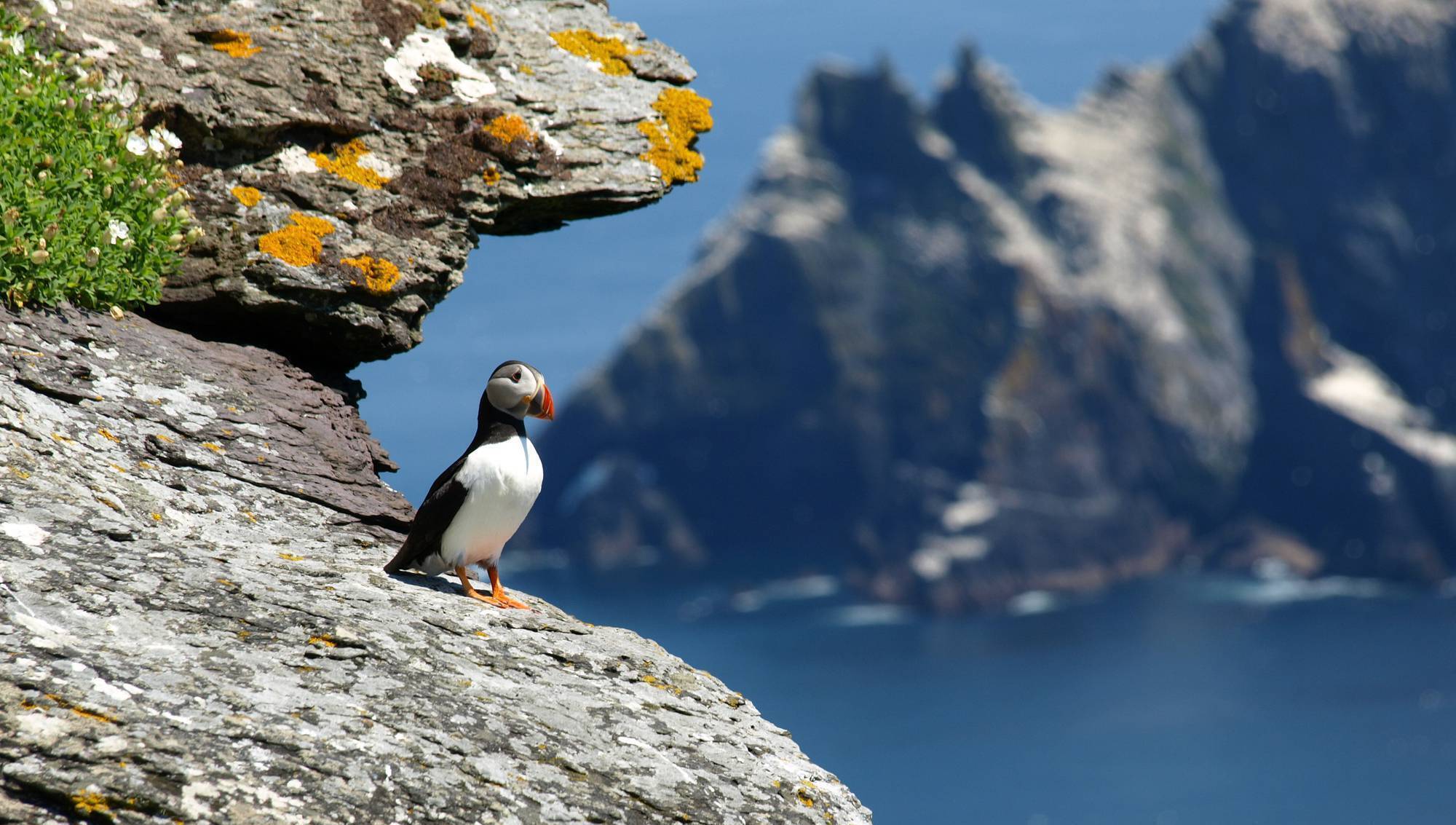
The strongest case for nature cams is access, as not everyone can visit a wetland, island, woodland or cliff edge. But there are limits. Watching nature is not the same as being in nature
Around the world, people can now watch puffins nesting on coastal cliffs, eagles feeding chicks, coral reefs, seal colonies, watering holes and urban wildlife.

Around the world, people can now watch puffins nesting on coastal cliffs, eagles feeding chicks, coral reefs, seal colonies, watering holes and urban wildlife.

At first glance, a Fish Doorbell sounds like an April Fool’s joke. Each spring in Utrecht, the Netherlands, an underwater camera livestreams a canal beside the Weerdsluis lock. When viewers spot a fish waiting to migrate upstream, they press an online doorbell (visdeurbel.nl/en/). This alerts the lock keeper that fish are gathering and may need the gate opened. It is simple, strange and surprisingly effective. It also captures why nature webcams have become so popular. They turn passive screen time into a small act of ecological attention. Nature cams are livestreams showing animals, habitats or natural processes in real time. Unlike polished documentaries, they are unscripted. A puffin may stand still for twenty minutes. A barn owl may sleep. A canal may show nothing but drifting leaves. This slowness is part of the appeal. Nature does not perform on demand.

Around the world, people can now watch brown bears catching salmon at Brooks Falls in Alaska, puffins nesting on coastal cliffs, eagles feeding chicks, coral reefs, seal colonies, watering holes and urban wildlife. Explore.org hosts one of the largest collections of live nature cameras. There are Irish examples too. Dublin Zoo has live webcams showing elephants, sea lions, and the African Savanna (dublinzoo.ie/animal-webcams/). These are captive animals, but the cameras are still useful for education, especially for children and schools. A more direct wild example is the chough nest cameras from the Mizen Peninsula in west Cork (chough.org/chough-nest-webcam). These allow viewers to follow breeding behaviour, chick development and seasonal migration without physically disturbing the birds.

Access all areas

The strongest case for nature cams is access. Not everyone can visit a wetland, island, woodland or cliff edge. Some people live in cities, have limited mobility, are recovering from illness, or simply do not have the time or money to travel. A livestream can bring wildlife into classrooms, care homes and kitchens. It can make distant, hidden or seasonal species visible. They can also build ecological literacy. Watching a nest camera teaches patience. Eggs may not hatch. Chicks may die. Predators may arrive. Weather may disrupt breeding. These moments can be difficult to watch, but they show nature as a living system rather than a comforting backdrop. Real ecology includes risk, failure and competition as well as beauty.

There is some evidence that these digital encounters can help. Research on immersive virtual nature suggests it may increase people’s sense of connection to nature, although the evidence is still limited and mixed. Other studies show that real-world contact with nature is generally more powerful than watching nature through a screen. A webcam may open the door, but it is not the same as stepping outside. The evidence is stronger when webcams are linked to direct conservation action or citizen science. The Fish Doorbell is a good example. Many rivers and canals contain barriers such as locks, weirs and culverts that interrupt fish migration. When the Weerdsluis lock is closed, fish can gather below it, wasting energy and becoming more vulnerable to predators. By pressing the digital doorbell, viewers help identify when fish are waiting. The project makes an invisible environmental problem visible: human infrastructure can block the movements of other species.

The strongest case for nature cams is access. Not everyone can visit a wetland, island, woodland or cliff edge. But thanks to nature cams, people around the world can now watch brown bears catching salmon at Brooks Falls in Alaska.

Other webcam projects have used public observations to gather scientific data. In one study of an American kestrel nest camera, viewers submitted observations over six breeding seasons. Despite the obvious challenges of crowd-sourced data, the observations were found to be highly accurate. This suggests that webcams can be more than entertainment. With the right design, they can support monitoring, education and research. Nature cams can also create communities. Viewers often share sightings, help identify species and follow individual animals through a season. A child in Cork, a retiree in Chicago and a teacher in Copenhagen may all be watching the same owl stretch its wings. This shared attention can turn wildlife into a public event.

Ethical element

But there are limits. Watching nature is not the same as being in nature. A webcam cannot reproduce the smell of wet woodland, the sound of insects in a meadow, the cold of seawater, or the physical experience of walking through a bog. It is still screen time. For people already disconnected from outdoor places, nature cams may become a substitute rather than a starting point. There are ethical concerns too. Cameras must be installed carefully so they do not disturb animals, reveal sensitive nest locations, or turn wildlife into entertainment. A nest camera can attract affection, but it can also attract unwanted attention. The best nature cams are those linked to conservation, research or education, where the camera is a tool rather than a gimmick.

So, are nature cams reconnecting us with nature? The answer depends on what happens next. If they encourage curiosity, learning and action, they can be powerful tools. If they inspire a school visit to a wetland, support for habitat protection, or a new interest in local birds, they matter. If they simply become another window to scroll past, their impact is limited. Nature cams are not a replacement for nature. They are an invitation. They ask us to slow down, notice other lives and recognise that much of the natural world is happening beyond our usual view. A fish waiting at a locked gate in Utrecht is more than an internet novelty. It is a small reminder that our roads, walls, drains, locks and cities shape the lives of other species. The screen can show us the problem. Reconnection begins when we look up from it and decide what to do.

More in this section

Revoiced

Newsletter

Had a busy week? Sign up for some of the best reads from the week gone by. Selected just for you.

Cookie Policy Privacy Policy Brand Safety FAQ Help Contact Us Terms and Conditions

© Examiner Echo Group Limited