Michelle McKeown: In a heatwave, trees are more than just a pleasant extra
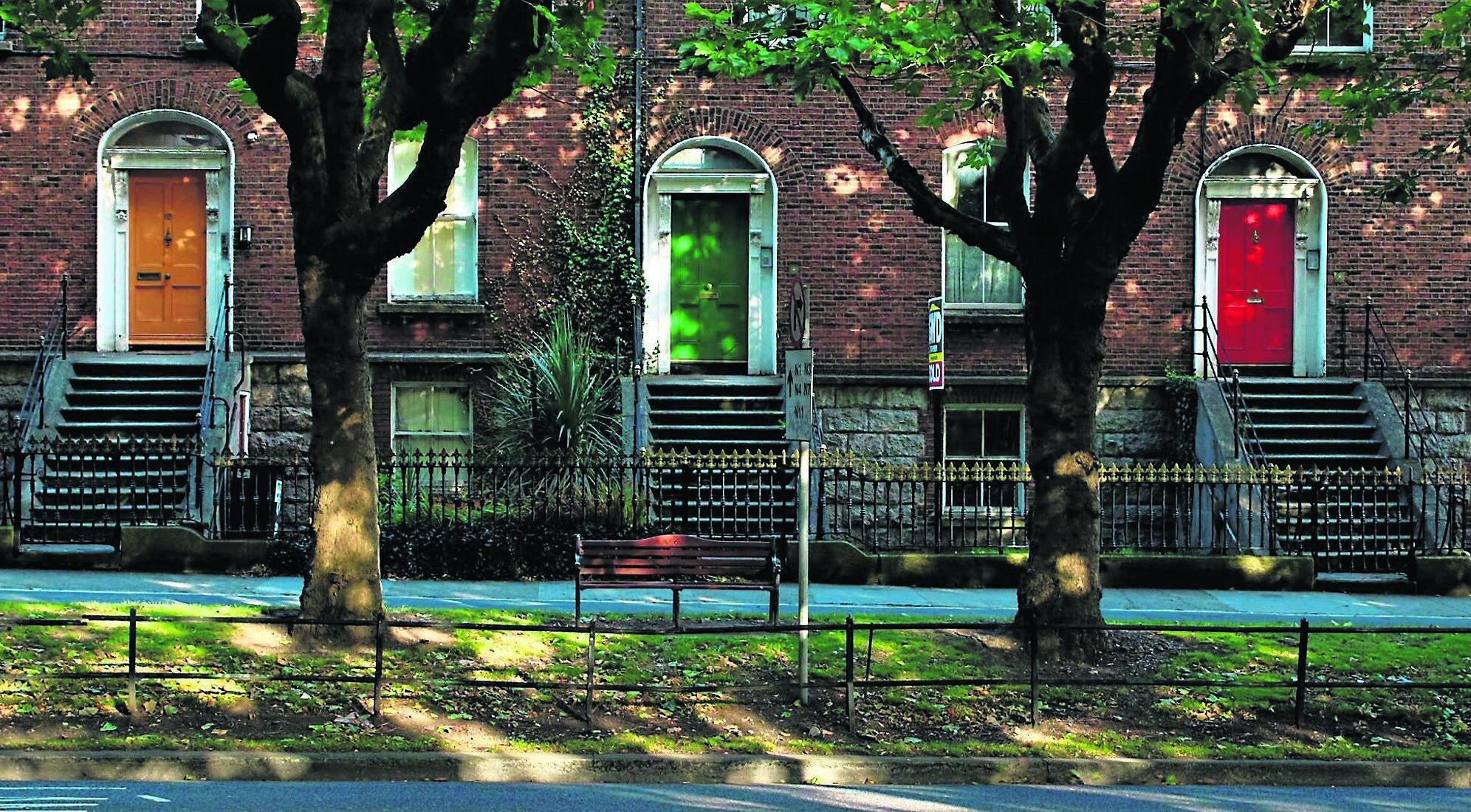
A shaded pavement can remain dramatically cooler than one exposed to direct sunlight as urban trees commonly reduce local air temperatures by several degrees.
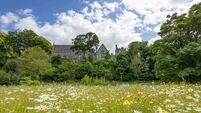
For most of the year in Ireland, shade is not exactly a sought-after commodity. We spend months edging our chairs towards the only patch of sunlight in the garden, turning our faces towards the sky like slightly damp sunflowers. Then a heatwave arrives. Suddenly, every mature tree becomes prime real estate. People gather beneath it with coffees, dogs collapse gratefully at its roots, and parked cars circle the street searching for the one available space that will not transform the steering wheel into a branding iron. This is when we remember that trees are not merely decorative. During hot weather, they function as pieces of living infrastructure where they cool streets, shade buildings, and make towns and cities more comfortable. They are, essentially, natural air conditioners. Admittedly, they are slower to install than a fan from the middle aisle of Lidl, but they are quieter, considerably more attractive and unlikely to develop an alarming rattle after three summers.
Trees cool their surroundings in two main ways. The first is straightforward. They provide shade. Their leaves and branches intercept solar radiation before it reaches roads, pavements, walls and human heads. As artificial surfaces absorb and store heat extremely efficiently, shade matters a lot. Asphalt, concrete and brick warm throughout the day, then release that heat slowly, often keeping urban areas uncomfortable long after sunset. This contributes to something called the urban heat island effect, where built-up areas become warmer than the surrounding countryside. Ireland’s national climate assessment notes that large cities such as Dublin are already affected by this phenomenon and are therefore more exposed to future temperature extremes. A shaded pavement can remain dramatically cooler than one exposed to direct sunlight. Numerous reviews of international research have found that urban trees commonly reduce local air temperatures by several degrees, while reductions in surface temperatures can be much greater. The precise effect depends on the size and shape of the canopy, the tree species, the surrounding buildings and whether the tree has access to enough water.
Their second trick is evapotranspiration. Trees draw water from the soil and release some of it as vapour through tiny pores in their leaves. Energy is required to convert liquid water into vapour, and that process removes heat from the surrounding environment. It is similar to how sweating cools the human body, except trees manage it without complaining. This cooling is not merely about making outdoor lunches more pleasant. Heat is a serious public-health hazard. Older people, babies, pregnant women, outdoor workers and those with heart, lung or kidney conditions can be particularly vulnerable. Hot nights are also important because they prevent the body from recovering from daytime heat.
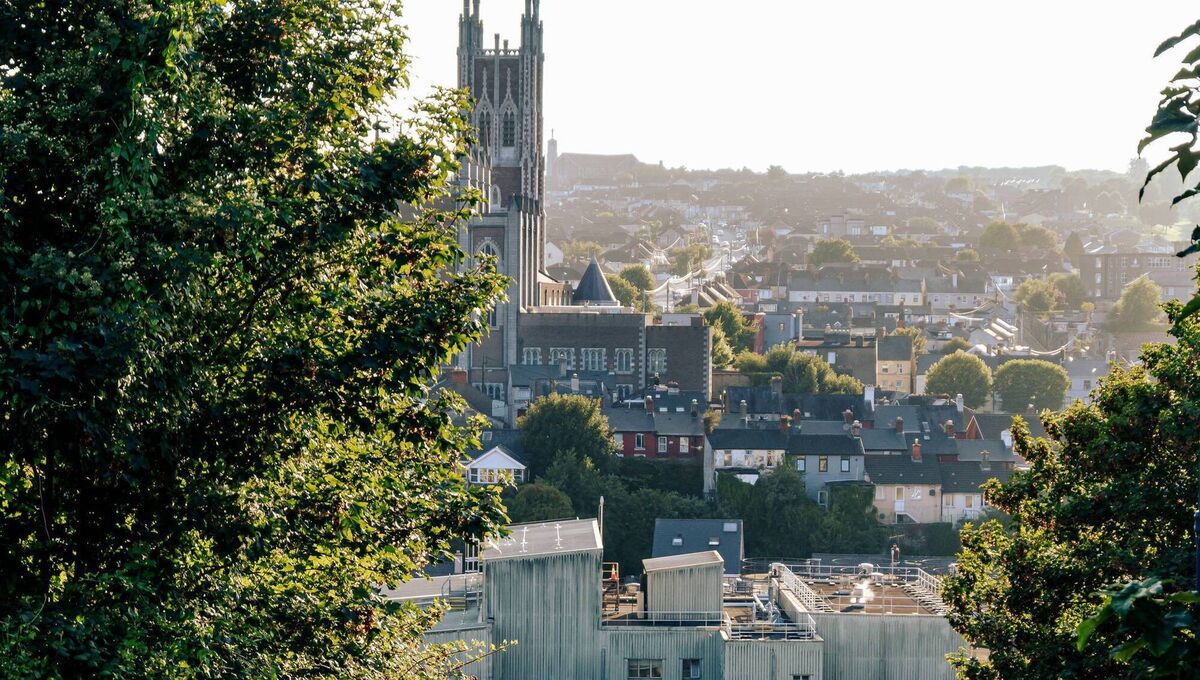
A systematic review published in 2024, led by Dr Nazish at the London School of Hygiene and Tropical Medicine, found that areas with more urban green space generally experienced lower levels of heat-related illness and mortality. Another European study, led by Dr Lungman at the Institute of Global Health in Spain, estimated that increasing tree cover to 30% across cities could substantially reduce deaths associated with the urban heat island effect. While Ireland may not experience the temperatures regularly recorded in southern Europe, that does not make us immune. In some respects, it makes us less prepared. Many Irish homes, workplaces and schools were designed to retain heat, not escape it. Air conditioning remains uncommon, external shutters are rare, and our national hot-weather strategy has traditionally consisted of opening every window and buying all available ice creams. Although I’m not debating the cooling properties of a 99.
Our climate is changing too. Met Éireann projects that average maximum summer temperatures could rise by more than 2°C by the end of the century particularly under medium to high greenhouse gas emissions, with more frequent heatwaves, warm days and warm nights. June 2026 was provisionally Ireland’s fourth-warmest June in records extending back to 1900, while Phoenix Park recorded its warmest June on record. Heat is no longer something we can dismiss as a Mediterranean problem.
The absence of trees becomes particularly obvious in new developments dominated by dark roofs, wide roads, paved driveways and small ornamental planting beds. A sapling attached to a support stake with optimistic-looking straps may technically be a tree, but it will not shade a bus stop, bedroom window or playground for many years. This is one of the difficulties with urban forestry where the best time to plant a heat-protecting tree was several decades ago. The second-best time is now. Mature trees are especially valuable because cooling depends heavily on canopy size. Cutting down a broad, established tree and replacing it with several saplings may produce a favourable number on a planting spreadsheet, but it does not immediately replace the shade, cooling or habitat that has been lost. That does not mean planting trees anywhere and everywhere without thought. The right tree must be selected for the right place. Roots need space, soil and water. Species must be able to tolerate future heat, drought, storms, pests and diseases. Poorly positioned trees can damage pavements, interfere with infrastructure or make narrow streets feel enclosed.
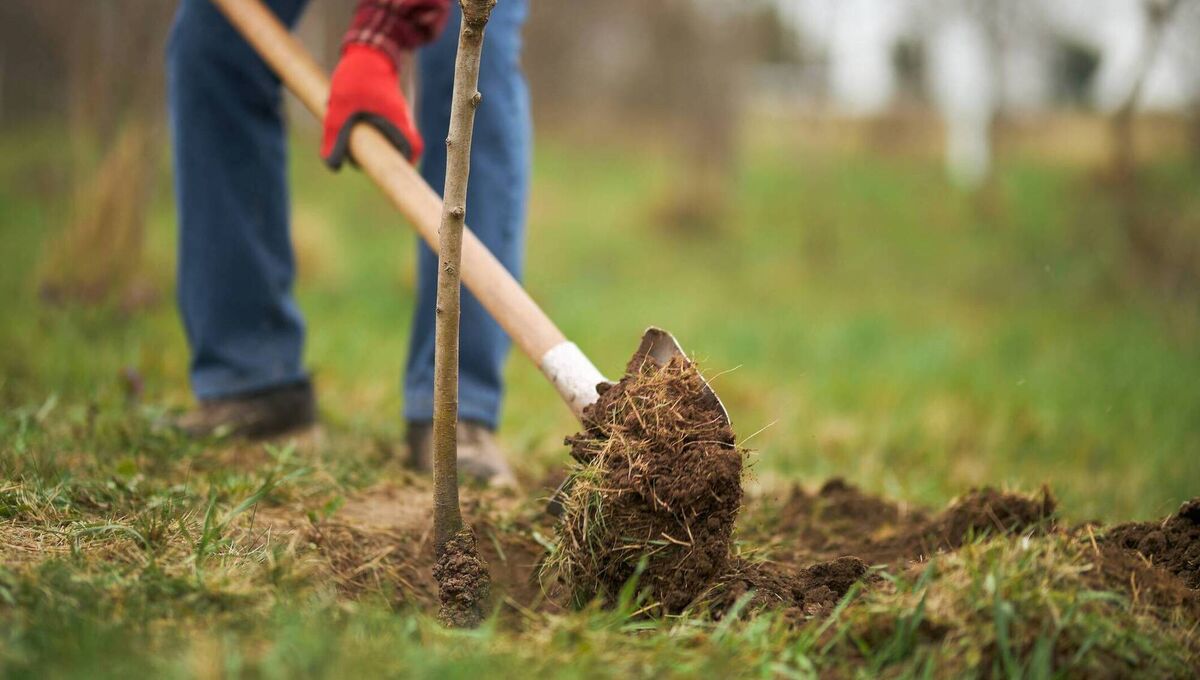
Trees also need long-term care. A council can announce the planting of 5,000 trees, but the more meaningful figure may be how many are still alive ten years later. Young trees are particularly vulnerable during dry spells, precisely when their future cooling services are most needed. Good planning therefore means protecting existing mature trees while creating enough soil volume and rooting space for new ones to thrive. It means planting around schools, hospitals, playgrounds, walking routes and public-transport stops, rather than treating greenery as something to be added after every profitable square metre has been paved. There is an issue of fairness here too. Internationally, poorer neighbourhoods frequently have fewer trees and more heat-absorbing surfaces. The people most vulnerable to heat are therefore often those with the least access to shade, private gardens or cool indoor spaces.
Urban trees will not solve climate change, and they cannot replace the urgent need to reduce greenhouse-gas emissions. Nor should they be used as leafy camouflage for poorly designed buildings and car-dominated developments. But they are one of the most practical tools available for adapting our towns and cities to warmer conditions. Ireland’s Climate Change Assessment specifically identifies urban trees as a nature-based measure that can provide cooling, shade, water retention and some removal of air pollutants. For generations, trees have been treated as amenities; pleasant extras that make a street look established and improve the view from an estate agent’s photograph. Heatwaves reveal that they are much more than that. A mature tree is shade, cooling, flood management, carbon storage, wildlife habitat and public-health protection contained in one remarkably efficient structure. And unlike most essential infrastructure, it may also contain a robin.
- References:
- Nazish, A., Abbas, K. and Sattar, E., 2024. Health impact of urban green spaces: a systematic review of heat-related morbidity and mortality. , 14(9), p.e081632.
- Iungman, T., Cirach, M., Marando, F., Barboza, E.P., Khomenko, S., Masselot, P., Quijal-Zamorano, M., Mueller, N., Gasparrini, A., Urquiza, J. and Heris, M., 2023. Cooling cities through urban green infrastructure: a health impact assessment of European cities. , 401(10376), pp.577-589.
- Murphy, C., Heaphy, L., Quinn, T., O'Brien, E. and Nolan, P., 2023. Ireland's Climate Change Assessment. Volume 3: Being Prepared for Ireland's Future Climate.

CONNECT WITH US TODAY



Be the first to know the latest news and updates