Richard Collins: We belong to a community of domestic and wild creatures — we are not superior
To what extent do wild animals respond to encounters with others not of their own kind? Are there relationships between them which transcend the species barrier?
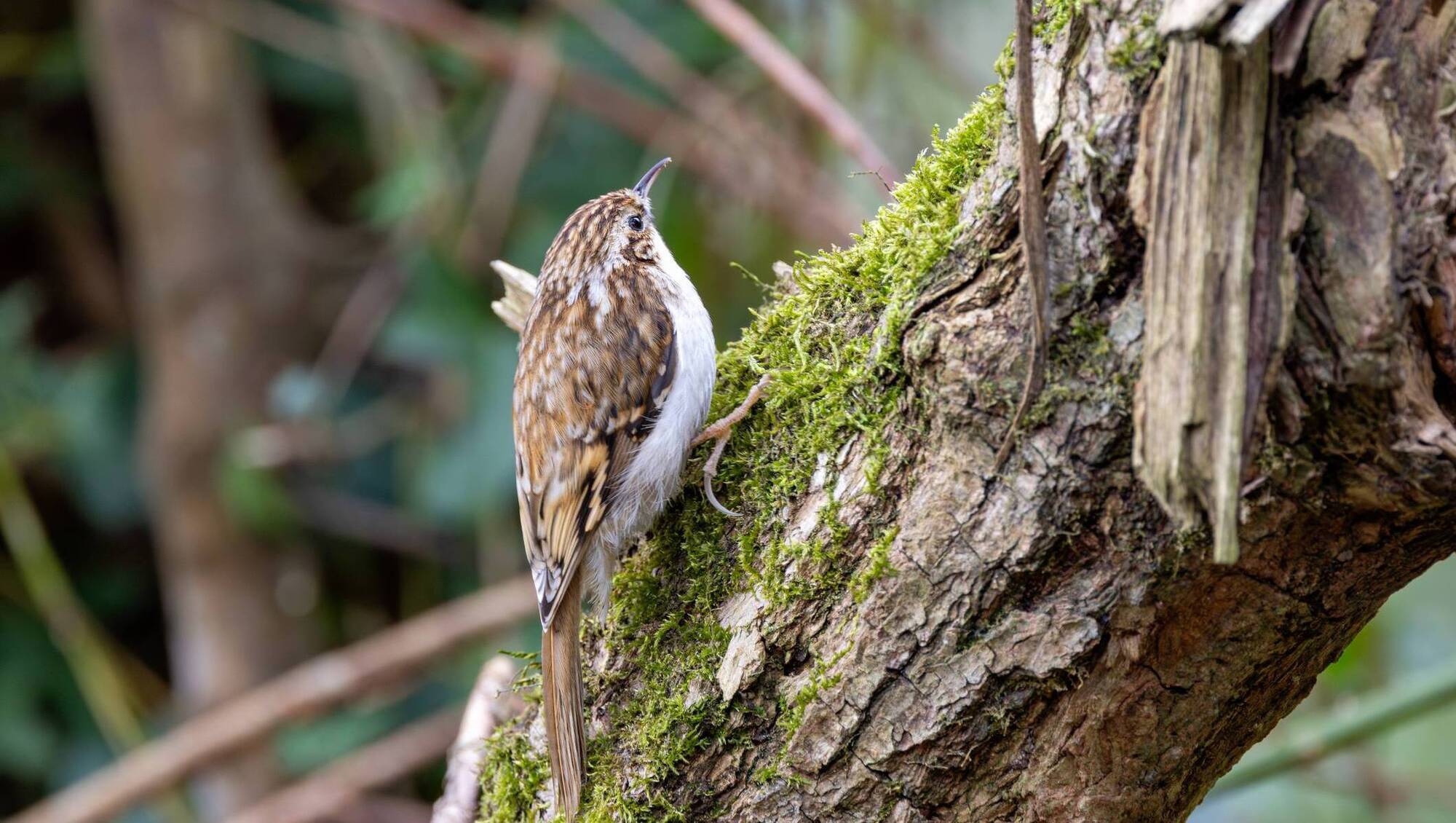
Richard Collins: "There are ‘neighbourhood watch’ arrangements among our Irish songbirds. You sometimes hear a quiet ‘seep’ call in a garden or park." Picture: iStock


Richard Collins: "There are ‘neighbourhood watch’ arrangements among our Irish songbirds. You sometimes hear a quiet ‘seep’ call in a garden or park." Picture: iStock

In her book Animals and why they matter, the philosopher Mary Midgley argues that we humans “are not just like animals, we are animals”.

We belong to a community of domestic and wild creatures, sharing social bonds with them. Arrogance has placed intellect on a pedestal, creating a ‘species barrier’. We are not superior to the creatures we dismiss as ‘lesser folk’.

But to what extent do wild animals respond to encounters with others not of their own kind? Are there relationships between them which transcend the species barrier?

A review of this neglected topic has just been published. Its lead author, among almost 60 contributors from differing fields, is Katie Dunkley of the University of Oxford.

There are classic examples of interspecies cooperation. The greater honeyguide uses a distinct call to alert hunters to a bees’ nest. The hunters, in turn, respond with calls which the bird understands. Then, using smoke to calm the bees, the hunters break open the nest and steal the honey, paying the honeyguide for its services in donations of wax and bee larvae.

The birds, it is thought, may have worked originally with the honey badger, a species of ratel, although evidence that it ever actually did so is inconclusive.

Cleaner fish remove, and eat, parasites from the skin of large, often dangerous, fish. Warthogs assume postures which invite birds and mammals to provide them with a similar service. On the eider farms of Iceland, hundreds of ducks nest together under human protection, their valuable down being collected and sold by the farmer, in payment for his services.

Nor are such arrangements confined to what we regard as ‘higher’ animals;
cooperative arrangements have been identified even among insects. The larvae of one butterfly species, for example, produce vibrations and release chemicals which discourage ants from eating them.

But you don’t need to visit exotic climes to see symbiosis in action. There are ‘neighbourhood watch’ arrangements among our Irish songbirds. You sometimes hear a quiet ‘seep’ call in a garden or park. It warns the local bird community of danger that a hawk is approaching. The 7kHz call is part of a universal bird language. Several species produce it. The sound is chosen to make the location of the caller difficult to detect.

But why does a bird put itself in danger by ‘crying wolf’ to alert others, especially as many of them are its competitors? Also, the system is open to abuse. A bird can cheat by issuing a bogus call, causing birds to scatter for cover, leaving discarded food for the caller to grab. However, the ‘I’ll scratch your back if you scratch mine’ principle applies.

Making arrangements with another species requires that the rewards for doing so outweigh the risks to the caller. Signals, visual or postural, begin simply, say the authors. Once established, they evolve increasingly and are ‘inherited genetically or culturally and may co-evolve in some cases’.

“Animals are not machines. Only machines are machines,” wrote Mary Midgely.

  • K. Dunkley et al. The Ecology and Evolution of Cues and Signals in Animal Interspecific Cooperation. Animal Behaviour. 2026

More in this section

Revoiced

Newsletter

Had a busy week? Sign up for some of the best reads from the week gone by. Selected just for you.

Cookie Policy Privacy Policy Brand Safety FAQ Help Contact Us Terms and Conditions

© Examiner Echo Group Limited