Under pressure: Dry conditions are changing the ground beneath us
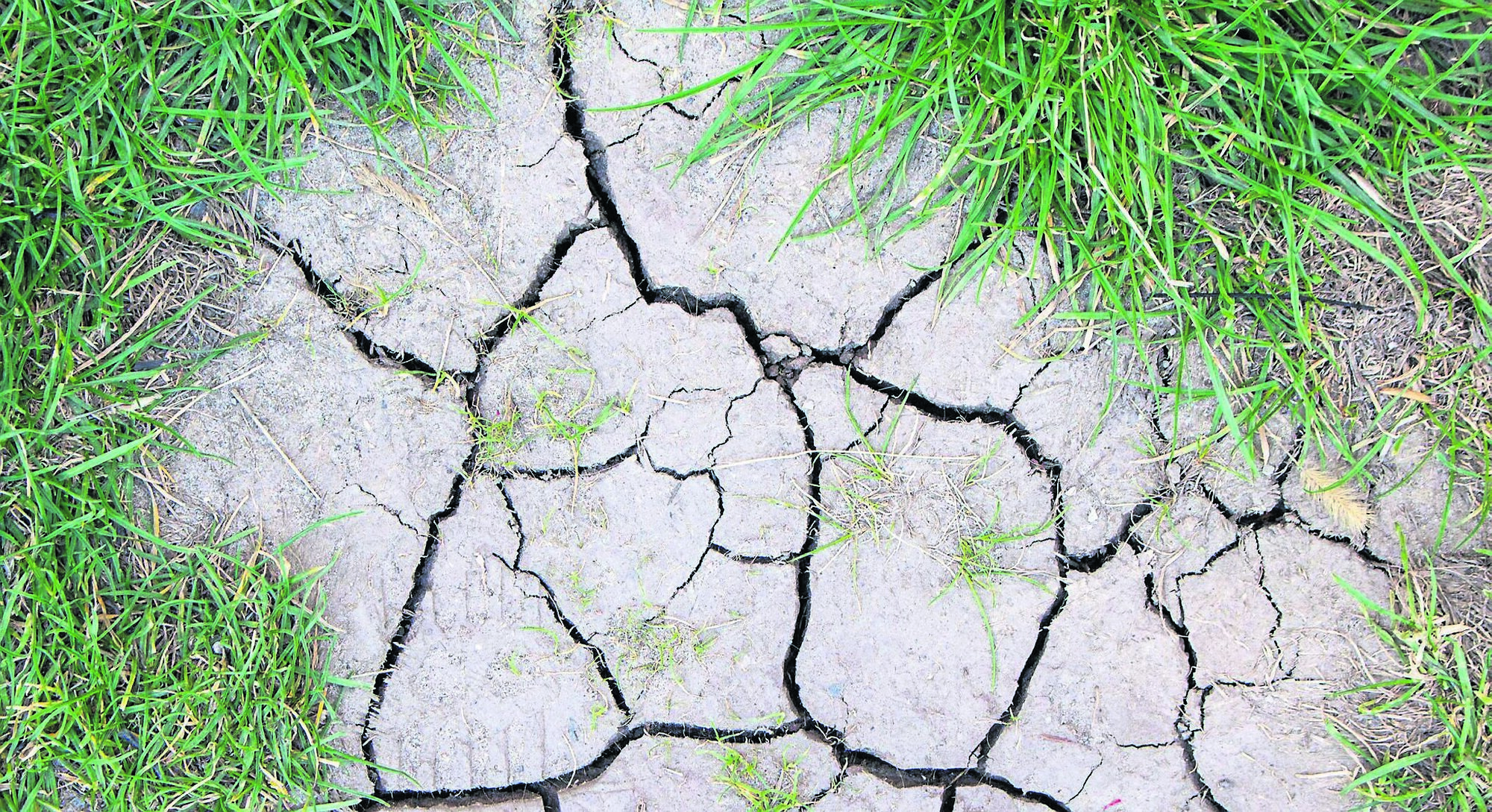
Healthy soil is a living system of minerals, roots, fungi, bacteria, organic matter, air and water. It stores carbon, supports plants, filters water and helps decide whether rain soaks into the ground or runs towards the nearest drain. Drought does not simply make soil dry. It changes how soil is structured, how it functions and how well it recovers.
There are few things more Irish than spending most of the year complaining about rain, only to become deeply concerned when it stops. After weeks of blue skies, warm evenings and the rare pleasure of leaving the house without a jacket (just in case), it feels almost ungrateful to ask but are we beginning to miss it? Perhaps not the sideways rain that ruins any and all hairstyles or that misty rain that leaves you surprisingly saturated. But beneath our feet, the ground may be longing for a proper soaking.
When drought arrives, we tend to look upwards. We check the forecast, watch river levels fall and treat every grey cloud as potential relief from the hot sun. A long dry spell can feel delightful at first and increasingly suspicious after a few weeks. But while we are watching the sky, major changes are happening beneath our feet. Healthy soil is a living system of minerals, roots, fungi, bacteria, organic matter, air and water. It stores carbon, supports plants, filters water and helps decide whether rain soaks into the ground or runs towards the nearest drain. Drought does not simply make soil dry. It changes how soil is structured, how it functions and how well it recovers.
In moist soil, water fills spaces between particles and forms thin films around them. Roots draw from this supply, while microbes use the same films to move, feed and keep nutrients circulating. As the ground dries, those connections break apart. The remaining moisture becomes tightly bound to soil particles and harder for plants to extract. There may still be water in the soil, but it is effectively unavailable. Clay-rich ground can shrink and crack. Compacted soil hardens, while the small crumbs, or aggregates, that give healthy soil its structure may weaken. A 2025 study in the journal found that longer dry and wet periods reduced aggregate stability, infiltration and water-holding capacity, even when total rainfall remained the same. It is not only how much rain falls that matters, but how it arrives. This leads to one of drought’s more irritating contradictions in that very dry soil is not always good at absorbing water. Prolonged drying can leave the surface crusted or partly water-repellent. Rain may run across the top or disappear down large cracks instead of spreading through the soil. This is why drought and flooding are not opposites. A heavy downpour on hardened ground can wash away topsoil and carry sediment, fertiliser and pollutants into rivers, while deeper layers remain dry. The ground can, rather unfairly, be both flooded and thirsty.
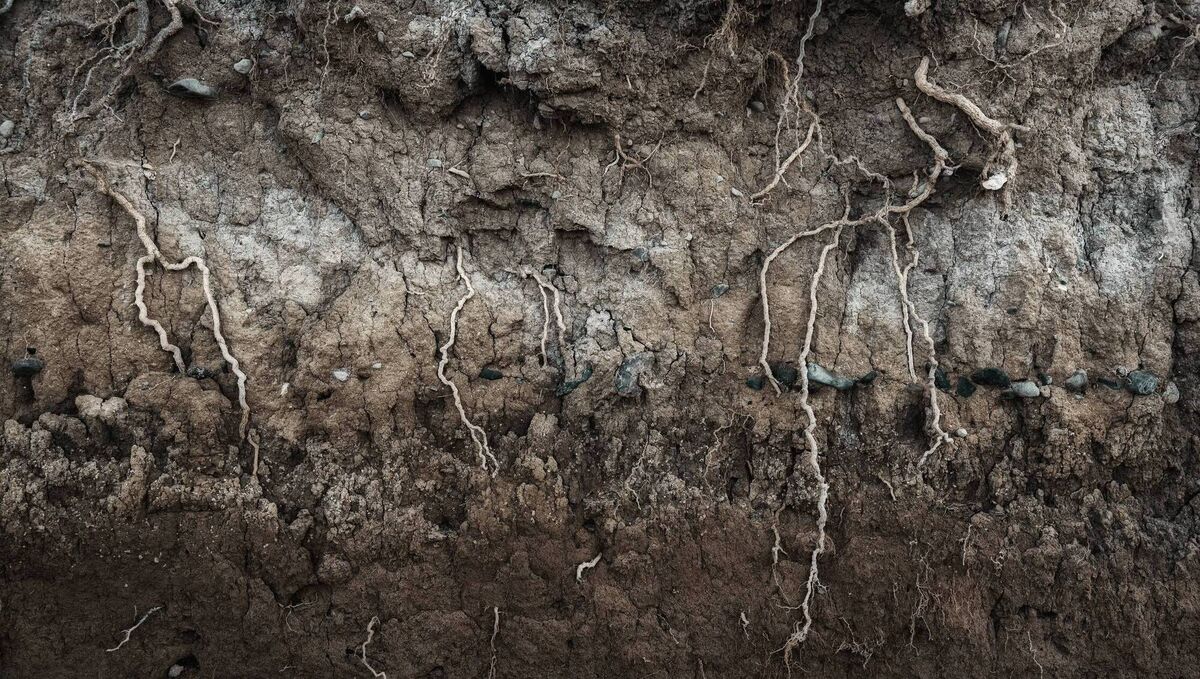
Below the surface, drought also disrupts an extraordinary living community. A handful of soil can contain billions of microorganisms. Bacteria and fungi break down dead plants, release nutrients, bind soil particles and influence how much carbon remains in the ground. But microbes need moisture. As soil dries, many slow down or become dormant. Others die. A 2025 study, published in found that severe drought altered bacterial and fungal communities, with some effects continuing after rewetting. Soil, it turns out, has a memory. Rain may return, but the underground ecosystem does not immediately reset. Plants also suffer. To reduce water loss, they close tiny pores on their leaves, but this also restricts carbon dioxide uptake and slows photosynthesis. Growth declines, leaves wilt and fine roots may die. With less shade, soil heats further and loses water faster. Drought also changes the soil’s role as a carbon store. Microbial activity usually declines as soil dries, temporarily reducing carbon dioxide emissions. But drought can kill roots and microbes and expose organic matter previously protected inside soil aggregates. Then the rain returns and the soil appears to exhale. Rewetting dry soil often triggers a pulse of carbon dioxide known as the Birch effect. Dormant microbes become active and feed on compounds released from damaged roots, dead cells and disturbed organic matter. Rain does not simply switch soil back on. It causes a short period of biological and chemical commotion.
For Ireland, peat soils are a particular concern. Peat forms where waterlogging slows decomposition, allowing partly decayed plants to build up over centuries. This makes peat an enormous carbon store but only while it remains wet. When peat dries, oxygen enters spaces previously filled with water. Decomposition speeds up and stored carbon becomes vulnerable. Drought can also increase the dissolved organic carbon washed into streams when rain returns. A 2017 study, published in , found that mild drying increased dissolved organic carbon production from peat by almost 40%. Some of that material was harder to remove during drinking-water treatment. That is a warning for Ireland, where peatlands remain widespread, often degraded and increasingly exposed to warmer conditions.
Climate projections point towards warmer summers, greater water loss and more frequent dry periods, particularly in eastern and southern areas. Rainfall is also likely to become more erratic. Longer dry spells may be followed by heavier downpours, which is exactly the type of rain hardened soil is least able to absorb. The solutions are not glamorous, but they work. Keeping soil covered with plants, maintaining hedgerows, adding organic matter and avoiding compaction can help rain soak in rather than run off. For peatlands, keeping water tables high is essential. Wet peat stores carbon. Dry peat releases it and, in extreme cases, burns. None of these measures can make it rain. They can determine what happens when it finally arrives. Grass may turn green after a few showers. Beneath the surface, recovery takes longer.
- References:
- Vindušková, O., Deckmyn, G., Reynaert, S. et al. (2025). More persistent precipitation regimes induce soil degradation. , 455, 117230.
- Oram, N.J., Brennan, F., Praeg, N. et al. (2025). Plant community composition and traits modulate the impacts of drought intensity on soil microbial community composition and function. , 200, 109644.
- Ritson, J.P., Brazier, R.E., Graham, N.J.D. et al. (2017). The effect of drought on dissolved organic carbon release from peatland soil and vegetation sources. , 14, 2891–2902.

CLIMATE & SUSTAINABILITY HUB
CONNECT WITH US TODAY



Be the first to know the latest news and updates